Looking for a natural way to clean a toilet bowl without harsh chemicals?
Here are five effective, non-toxic methods using common household ingredients—like vinegar and baking soda—that remove stains, break down mineral deposits, and freshen the bowl.
What you need to naturally clean a toilet bowl
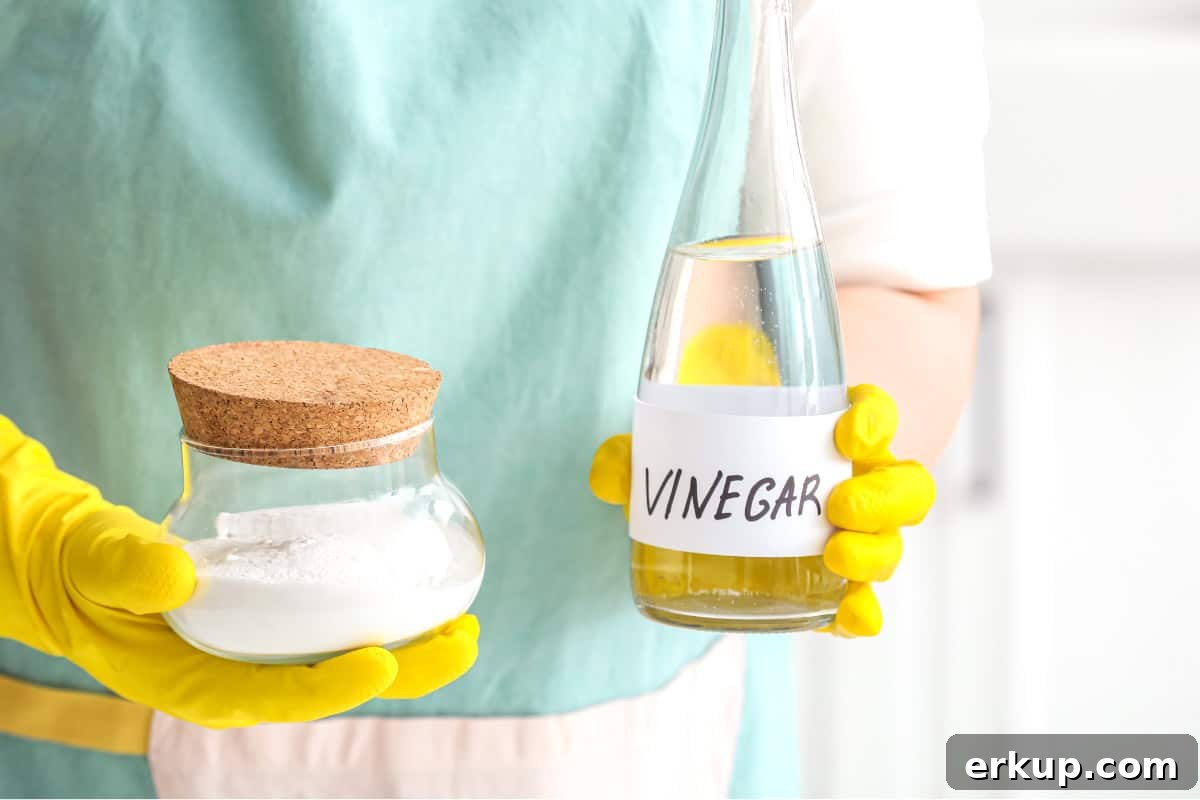
- Vinegar – White vinegar dissolves mineral deposits and acts as a mild disinfectant.
- Baking soda – A mild abrasive that helps lift stains, neutralize odors, and scrub away residue.
- Non-toxic cleaning powder – Products such as Bon Ami work well on tough stains without scratching glossy surfaces.
- Citric acid – Used in homemade cleaning tablets to create a fizzing action that loosens buildup.
- Essential oils – A few drops of tea tree, eucalyptus, lemon or lavender can add fragrance and extra antimicrobial properties.
- Pumice scouring stick – A wet pumice stone is ideal for tackling heavy hard-water or mineral deposits without damaging the porcelain.
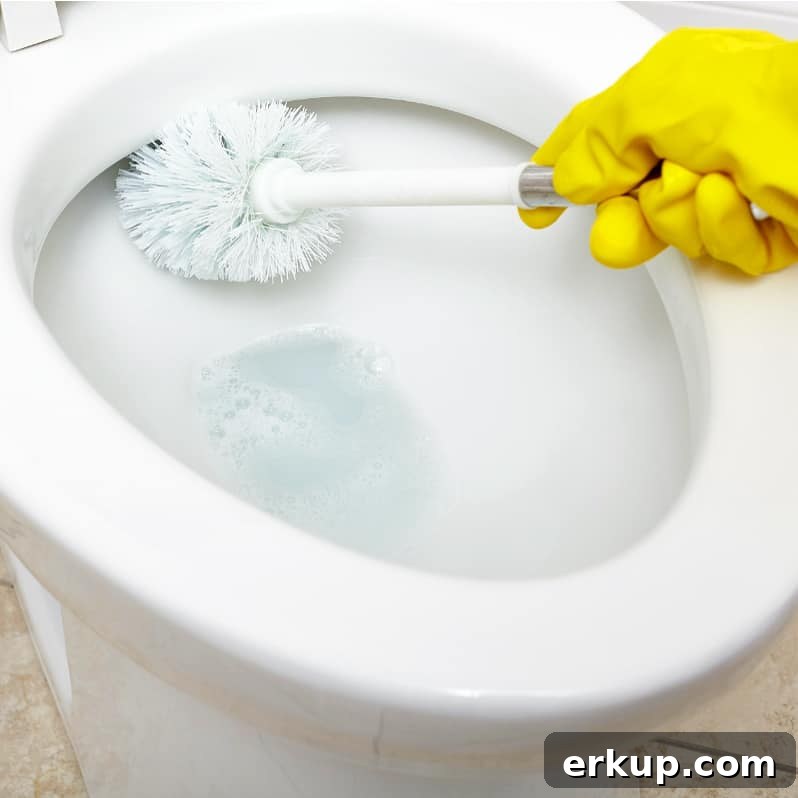
- Toilet brush – For applying and scrubbing natural cleaners around the bowl.
- Rubber gloves – Protect your hands while cleaning.
Natural ways to clean a toilet bowl:
Baking soda and vinegar
This is the simplest routine cleaner. Sprinkle about 1/4 cup of baking soda around the bowl and scrub it into the stained areas before adding about 1/2 cup of white vinegar. Allow the mixture to fizz and work for a few minutes, then scrub again with a toilet brush and let it sit until the next flush for best results.
Homemade toilet cleaning tablets
Cleaning tablets made from citric acid and baking soda are convenient and ready to use. Drop one into the bowl and let it fizz to loosen grime and light buildup. They’re easy to store under the sink and save time versus mixing solutions for each clean.
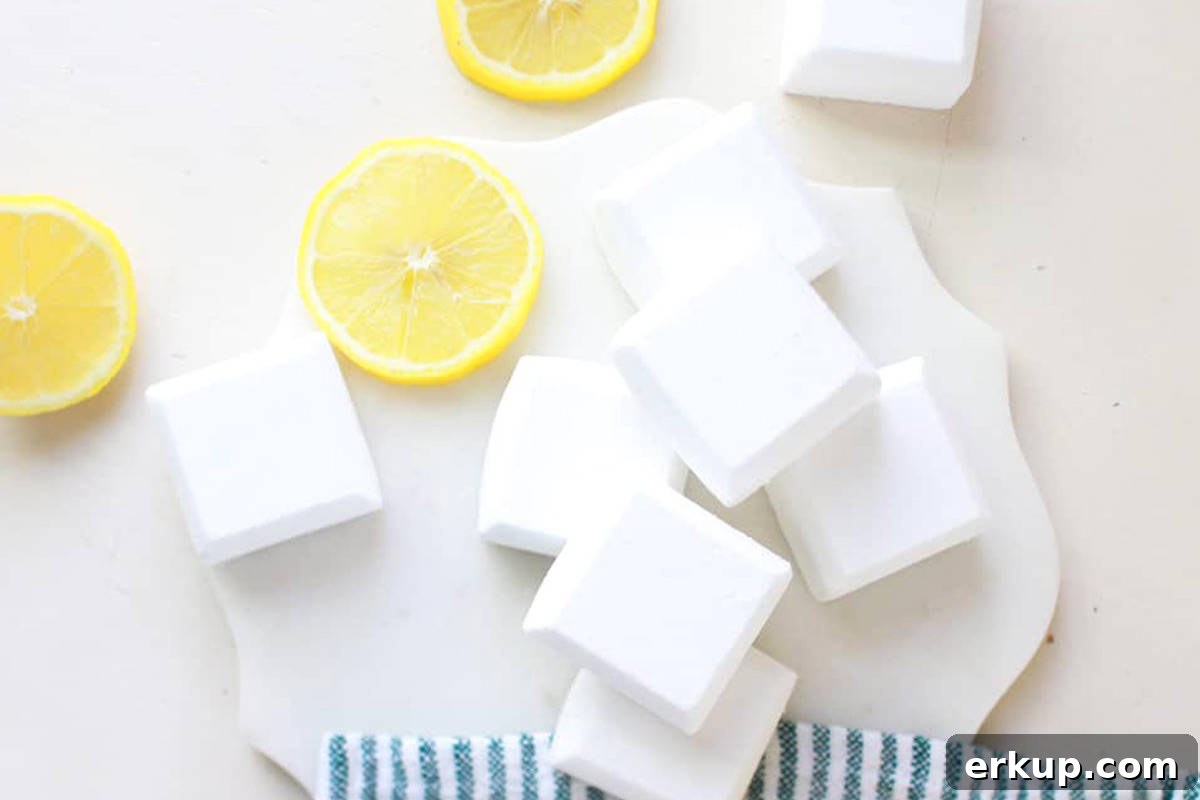
The effervescence from citric acid helps break down stains and makes light scrubbing—or sometimes no scrubbing—sufficient.
Non-toxic cleaning powder
A non-toxic powder cleaner like Bon Ami is an excellent alternative to homemade mixes. Sprinkle it into the bowl, scrub with your toilet brush, and allow it to sit until the next flush. It polishes without scratching and is handy to keep in each bathroom.
Borax
Borax works similarly to powder cleaners for lifting stains and deodorizing. Use it as you would other powdered cleaners—apply, scrub, and let sit before flushing.
DIY toilet cleaning gel
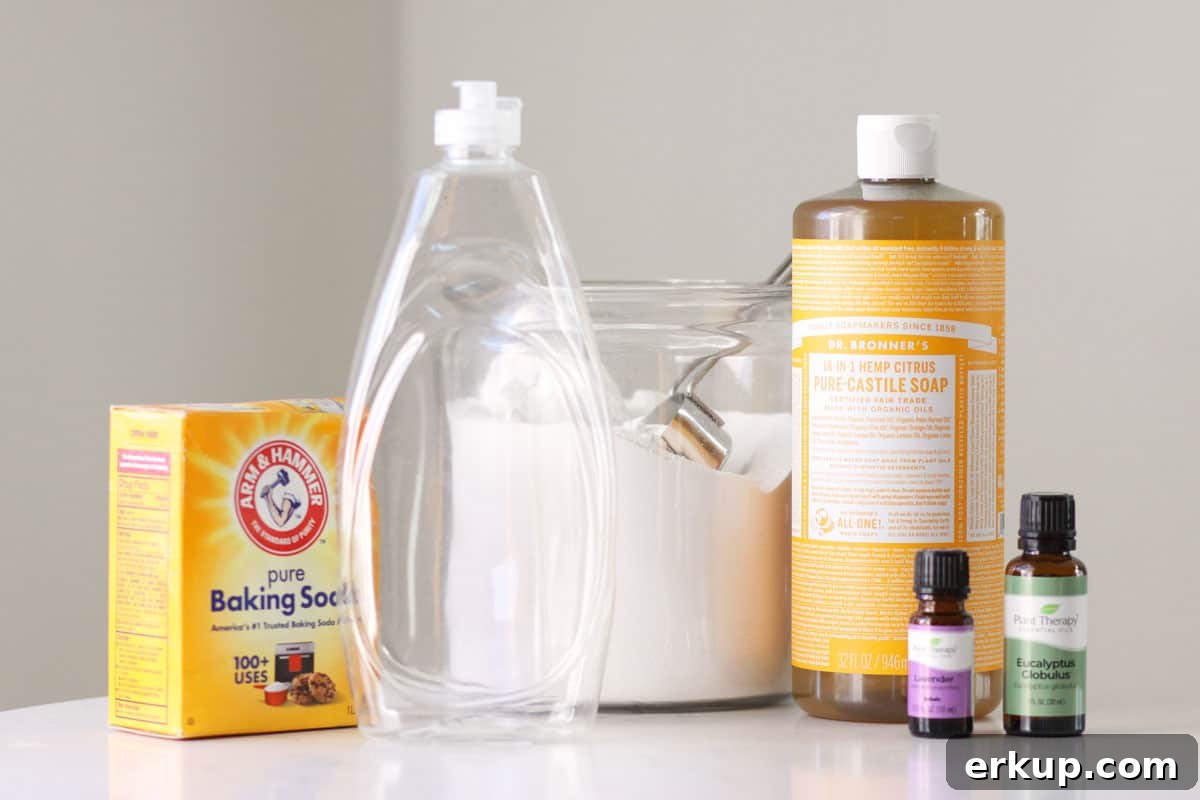
A premixed gel stored in a squeeze bottle is convenient for targeted cleaning. Common natural gel recipes combine castile soap, baking soda, borax and essential oils to create a thick, clingy cleaner that adheres to the bowl and softens deposits before scrubbing.
Pumice stone scouring stick
For stubborn hard-water rings and mineral stains, a wet pumice stone is extremely effective. Clean the bowl first with one of the methods above, then carefully rub the wet pumice against the stain. When used wet, pumice will remove tough buildup without scratching porcelain.
This tool is also helpful for other “impossible” cleaning tasks around the home when used properly.
FAQ about natural toilet bowl cleaning
What are the basic ingredients for natural toilet bowl cleaner?
The most common ingredients are baking soda and white vinegar. Citric acid, borax, and a small amount of castile soap or non-toxic powder can also be included depending on the recipe. Essential oils can be added for fragrance and extra cleaning benefits.
How can I remove stains naturally?
Use an acid—such as vinegar or lemon juice—to dissolve mineral deposits, and a mildly abrasive agent like baking soda or borax to scrub away residue. For heavy mineral buildup, follow with a wet pumice stone.
Are essential oils useful?
Yes. Essential oils such as tea tree, lemon, and lavender add a pleasant scent and offer mild antibacterial properties. A few drops are enough for most recipes.
How often should I clean the toilet naturally?
Aim to clean at least once a week to prevent stains and buildup. Frequency may vary depending on household use and water hardness.
More natural cleaning tips and tricks
If you prefer natural, non-toxic cleaning across the home, try swapping commercial cleaners for DIY recipes. Natural options work well for glass, grout, carpets, and many other surfaces when used correctly and regularly.
- How to clean carpets naturally
- How to remove mold from grout
- DIY glass cleaner
- Homemade leather cleaner
- How to clean a glass stovetop
I hope you find these natural toilet-cleaning methods helpful. If you try any of them, consider noting what worked best for your situation—different water types and stains may respond better to different approaches.
Save or pin these methods to try later. Share your experience to help others choose the best natural cleaning option.