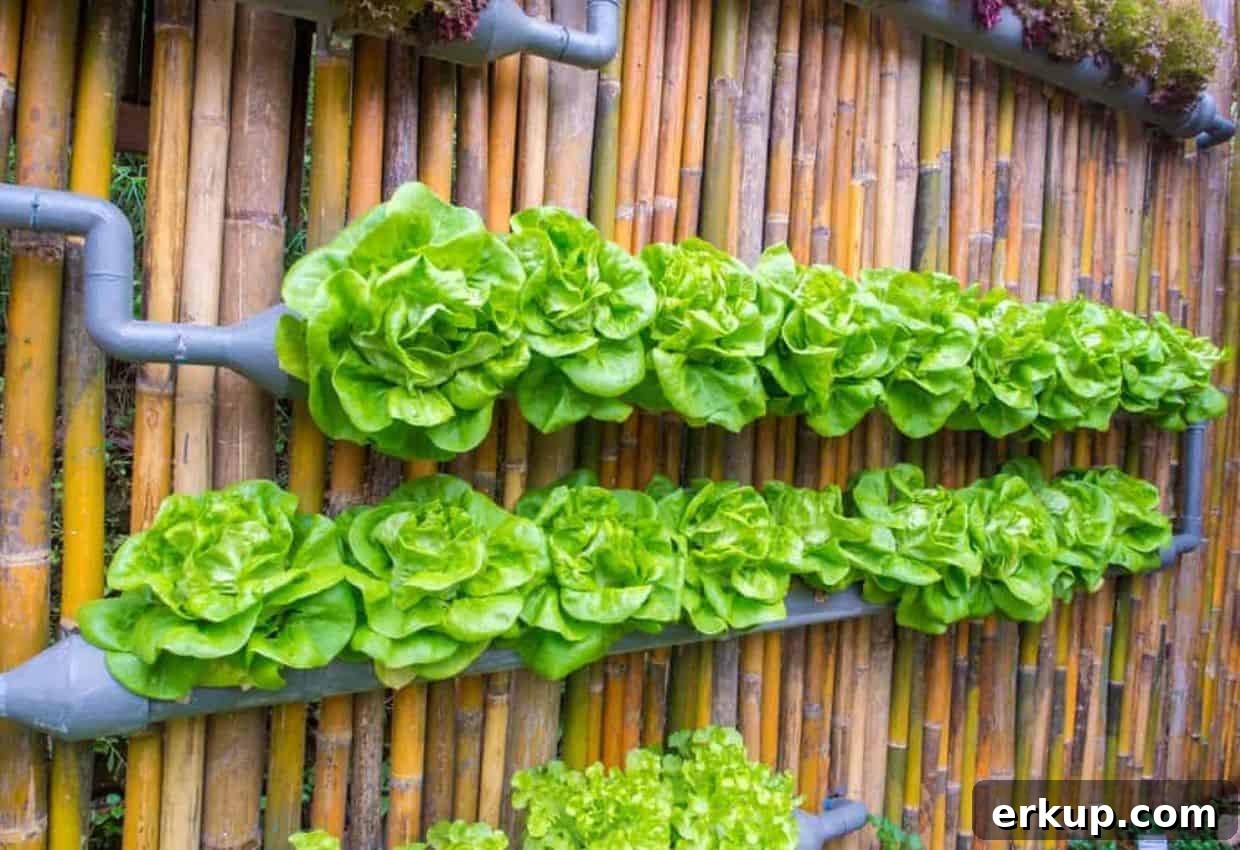
No backyard? No problem. Vertical gardening lets you grow vegetables, herbs, and small fruits in tight spaces so you can harvest fresh ingredients for your kitchen every day.
With a little planning and the right setup, you can turn walls, balconies, and even windowsills into productive, space-saving growing areas.
This post may contain affiliate links. As an Amazon Associate, I earn from qualifying purchases. See Disclosures.
What Is Vertical Gardening?
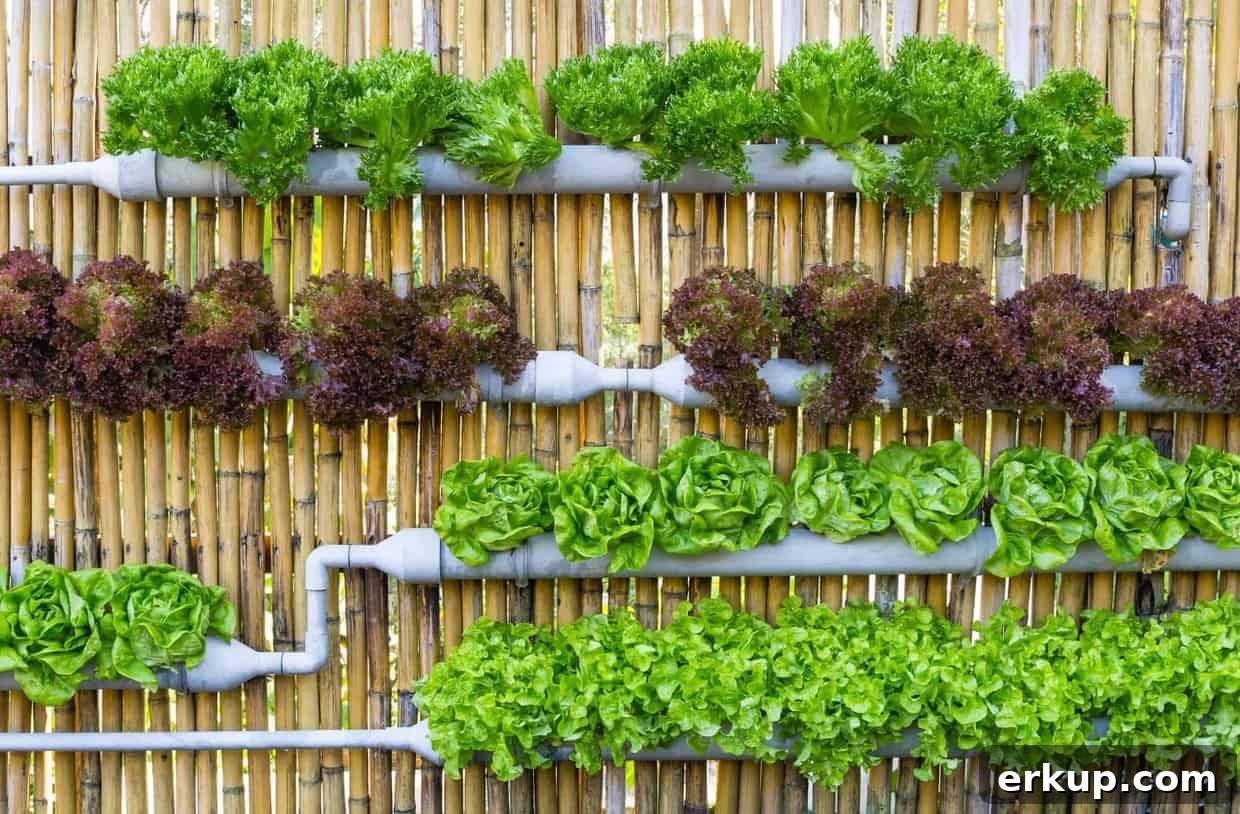
Vertical gardening is a technique that grows plants upward instead of outward, using pots, pockets, trellises, towers, or hanging systems. It works indoors and outdoors and is ideal where horizontal space is limited.
You can install a vertical garden almost anywhere you have vertical room to spare, including:
- balconies
- windowsills
- patios
- indoor shelves
- planters mounted on exterior or interior walls
- fences
- hanging baskets
Benefits of Vertical Gardening
Vertical gardening offers practical advantages for home cooks and anyone who wants easy access to fresh, homegrown produce.
Space Saving
By using vertical surfaces you would otherwise leave empty, you free up floors and tables while still growing a surprising amount of food. Wall-mounted planters and hanging baskets allow you to cultivate herbs, greens, and even flowers in a compact footprint.
“My favorite is Nasturtium. Every spring, I buy a few different flower varieties, and the whole summer, I not only have blooming colorful flowers as a decoration but can use the leaves in my salads, smoothies, and soups.”
— Zuzana Paar, Locarb-nocarb
Cost Effective
Starting plants from seeds and saving your own seed stock can cut grocery costs over time. Growing staples like lettuce or broccoli regularly gives you a steady supply of fresh produce and reduces trips to the store.
Fresh Produce Daily
With herbs and vegetables close at hand, you can pick what you need right before cooking. That means fresher flavor and produce that is more likely to be pesticide-free and organic when you grow it yourself.
Easy Maintenance
Vertical gardens can be set at waist height or higher, which reduces bending and kneeling. This makes planting, pruning, and harvesting easier, especially for gardeners with limited mobility.
7 Tips for Growing a Great Vertical Garden
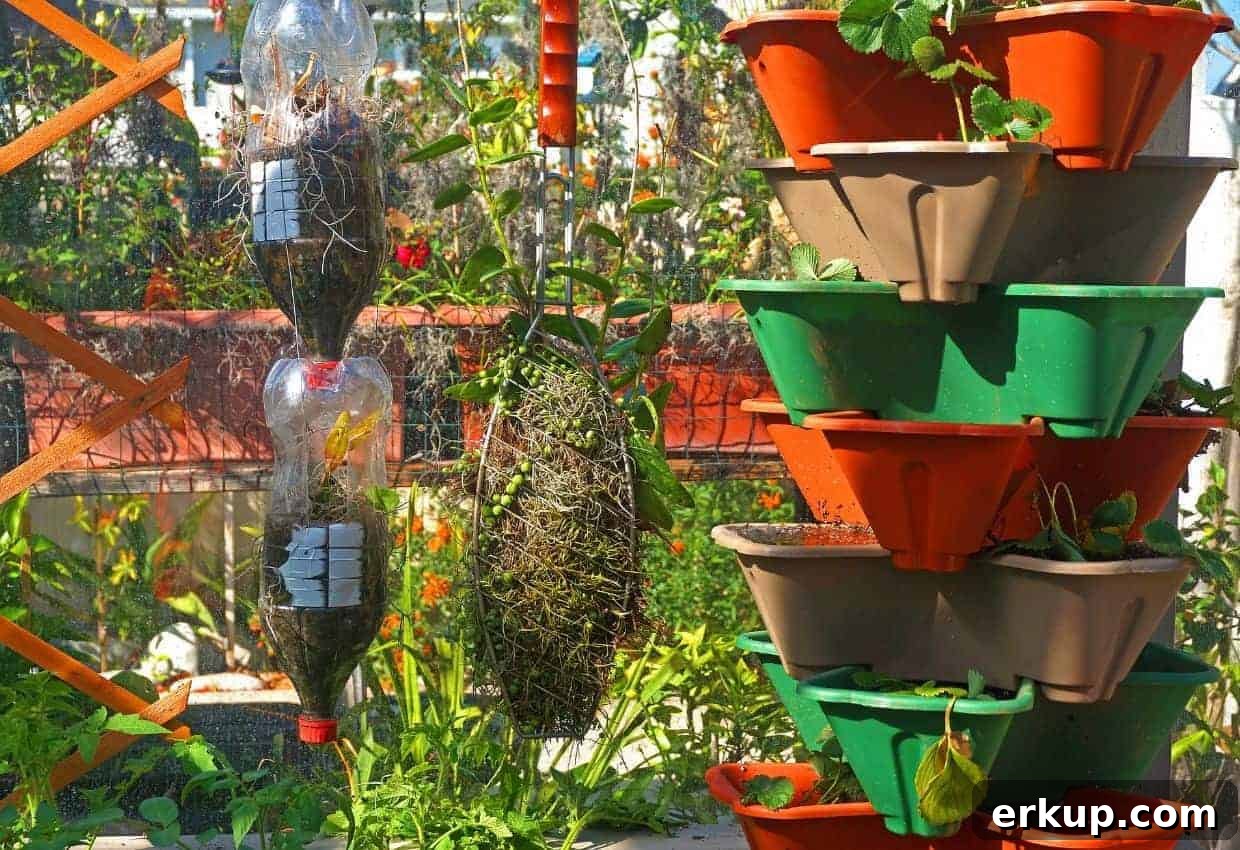
Follow these seven practical tips to plan and maintain a healthy vertical garden that produces well.
Search for Sun
Locate your vertical garden where it receives ample sunlight, and protect it from strong winds that can stress plants or damage containers. Most vegetables need several hours of direct sun, so observe light patterns before installing your system.
“My patio gets the best sunlight, so using hanging baskets and window boxes has been the perfect solution for my herb garden. I love using fresh herbs in everything from cocktails to dinner. My favorites are basil, parsley, rosemary, thyme, oregano, and mint. I especially love using containers for mint, so it doesn’t overtake my garden!”
— Susannah Brinkley Henry, Feast + West
Soil Matters
Use a high-quality potting mix formulated for containers, and add compost or organic matter to supply nutrients and improve water retention. Good soil reduces disease risk and supports vigorous root growth.
Consider Your Climate
Choose varieties suited to your growing zone and the microclimate of your balcony, porch, or wall. A south-facing concrete terrace can become hot and dry, favoring drought-tolerant herbs like rosemary and thyme, while shaded areas suit lettuces and leafy greens.
Set Up a Support System
Install sturdy supports—trellises, cages, or vertical planters—so climbing or heavy plants have something to hold onto. A reliable support system prevents damage and makes harvesting easier.
Groom and Water Regularly
Container-grown plants often dry out faster than those in the ground. Water consistently, monitor soil moisture, and prune or trim as needed to prevent overcrowding and top-heavy pots.
Make Your Own Fertilizer
Organic fertilizers and homemade plant foods can boost yield and plant health. Simple kitchen compost, diluted compost tea, or balanced soluble organic feeds keep vertical gardens productive without harsh chemicals.
Plant What You Eat
Focus on crops your household will actually use. Growing familiar herbs and vegetables saves time and makes your harvest useful—plant coriander, cilantro, or mint if you cook a lot of Indian dishes, or choose carrots and zucchini if you plan to make vegetable noodles and similar dishes.
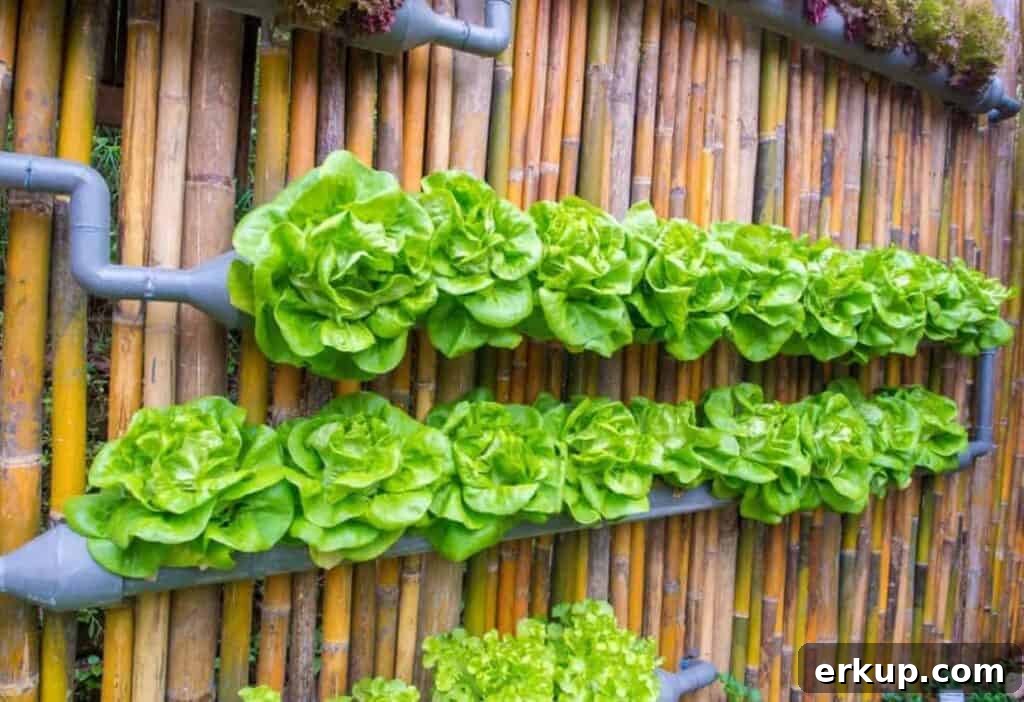
Many varieties thrive in containers and are well suited to vertical systems, including:
- peppers
- tomatoes
- lettuces and salad greens
- strawberries
- most culinary herbs
“I love to grow strawberries vertically because they so easily spread and take over everything around them, and you can more easily contain them when you grow vertically. They also thrive in this environment, and it’s super easy to harvest them.”
— Michelle Price, Honest and Truly
Final Word
Vertical gardening is a practical, sustainable approach to growing organic herbs, fruits, and vegetables in small spaces. It gives you convenient access to fresh, pesticide-free ingredients and makes gardening more accessible for many people.
To get started, pick seeds or seedlings that match your space and climate, gather basic supplies, and use the tips above to set up a system that fits your home. With a bit of care, a vertical garden can supply fresh produce throughout the growing season.
Share your results and ideas with other gardeners to inspire more people to build their own vertical vegetable gardens.
Sarita Harbour is a homeschooling, homesteading mother and an experienced business and finance writer. She created An Off Grid Life to help people become more self-reliant. Sarita and her family live off the grid in Canada’s Northwest Territories.
This article originally appeared on Food Drink Life.