
A simple guide to help you understand and cook with the best cooking fats and oils for your health!
When you shop for cooking fats and oils, the choices can feel overwhelming. This concise, practical guide explains the main categories, which options are healthiest, and how to use them in the kitchen so your meals are both delicious and better for you.
CHOOSING YOUR COOKING FAT
Great
Whole, minimally processed fats that retain nutrients and stable fatty acids:
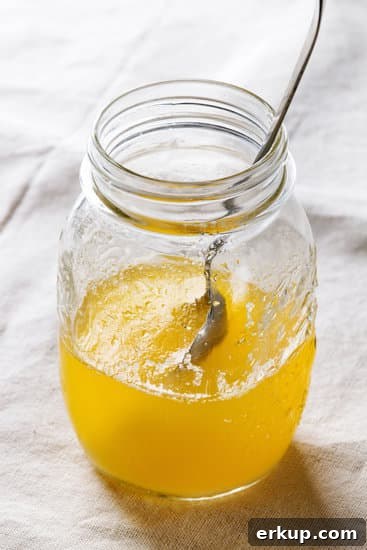
- Raw butter and ghee
- Tallow from grass-fed cows, bison, and lamb
- Lard from pasture-raised pigs
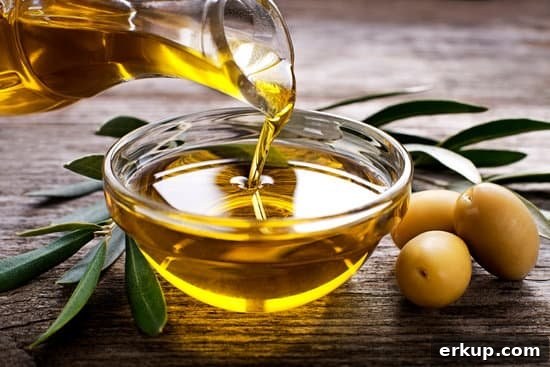
- Single-source organic extra virgin olive oil
- Organic, sustainably farmed coconut oil
- Organic cold-pressed sesame and nut oils
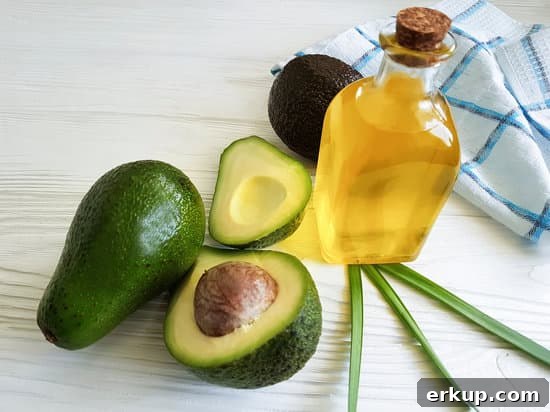
- Avocado oil
- Fair-trade, organic cocoa butter
Good
Quality options that are generally healthy; some are processed but still useful for many cooking methods:
- Cultured butter (from organic pasteurized milk)
- Conventional extra virgin olive oil
- Refined coconut oil
- Refined avocado oil
Acceptable
Products that are usable in some situations but are less optimal than minimally processed fats:
- Conventional butter
- Light olive oil (confirm it isn’t blended with cheaper vegetable oils)
- Peanut oil
Limit or Avoid
Highly processed or industrial seed oils and hydrogenated fats are best limited. These often undergo heavy refining and can contain trans fats or oxidized components when heated.
- Margarine
- Corn oil
- Soybean oil
- Canola oil
- Cottonseed oil
- Other industrial vegetable oils
- Shortening and hydrogenated fats
Different fats behave differently when heated. Saturated, monounsaturated, and polyunsaturated fats each have different heat stability and culinary uses. Choosing the right fat for the cooking method preserves flavor and keeps the oil’s structure intact.
HOW TO USE YOUR COOKING FAT

Best fats for high heat – Saturated fats
Saturated fats are very heat-stable, making them ideal for frying, roasting, and baking. They are less likely to oxidize at high temperatures and can give foods a rich flavor and crisp texture.
- Grass-fed ghee
- Grass-fed butter
- Coconut oil
- Rendered animal fats (tallow, lard)
Great fats for moderate heat – Monounsaturated fats
Monounsaturated fats tolerate moderate cooking temperatures and are excellent for sautéing, pan-frying, and quick stir-fries. They offer a balance of stability and healthy fatty acid profiles.
- Cold-pressed avocado oil
- Cold-pressed extra virgin olive oil
- Cold-pressed peanut oil
Not ideal for heat – Polyunsaturated fats
Polyunsaturated oils have fragile molecular structures that can break down when exposed to high heat. They are best used uncooked or added after cooking to preserve their nutrients and delicate flavors.
- Unrefined seed oils (such as flax or hemp when unrefined)
- Delicate nut oils (walnut, almond, macadamia) used in dressings or as finishing oils
Avoid
Avoid or minimize use of hydrogenated and heavily refined industrial oils. These fats are often used in processed foods and frying oils and can develop harmful compounds when reused or overheated. Instead, prioritize whole-food-based fats and rotate types to vary flavor and nutrient intake.
- Shortening, hydrogenated fats, margarine
- Highly refined vegetable oils commonly used for mass-produced frying
Practical tips: check labels for “cold-pressed,” “extra virgin,” and single-source origins when possible; store oils in a cool, dark place; use smaller bottles of fragile oils to maintain freshness; and match the oil to the cooking temperature to maximize both taste and health benefits.
Making thoughtful choices about cooking fats improves flavor, stability during cooking, and overall nutritional quality of your meals. Use this guide as a starting point and adapt choices to your taste, cooking habits, and health preferences.