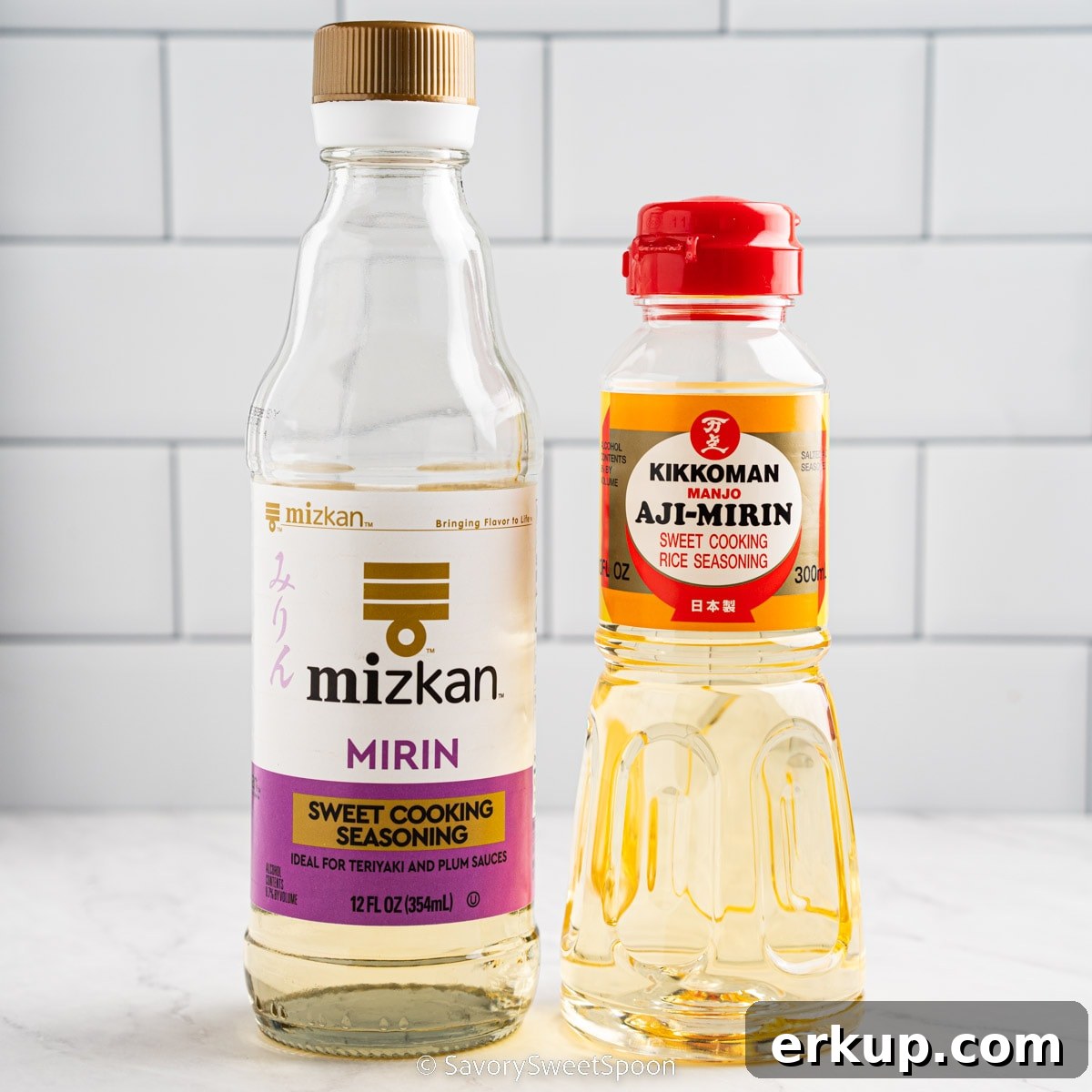
Are you missing mirin for a recipe? Mirin is a staple in Japanese cooking, known for its mild sweetness, subtle acidity, and glossy finish. If you don’t have it on hand, several pantry-friendly ingredients can stand in for mirin and still deliver balanced flavor in sauces, marinades, sushi rice, and stir-fries. Below are practical, easy-to-follow substitutes and tips for using them so your dishes remain delicious.
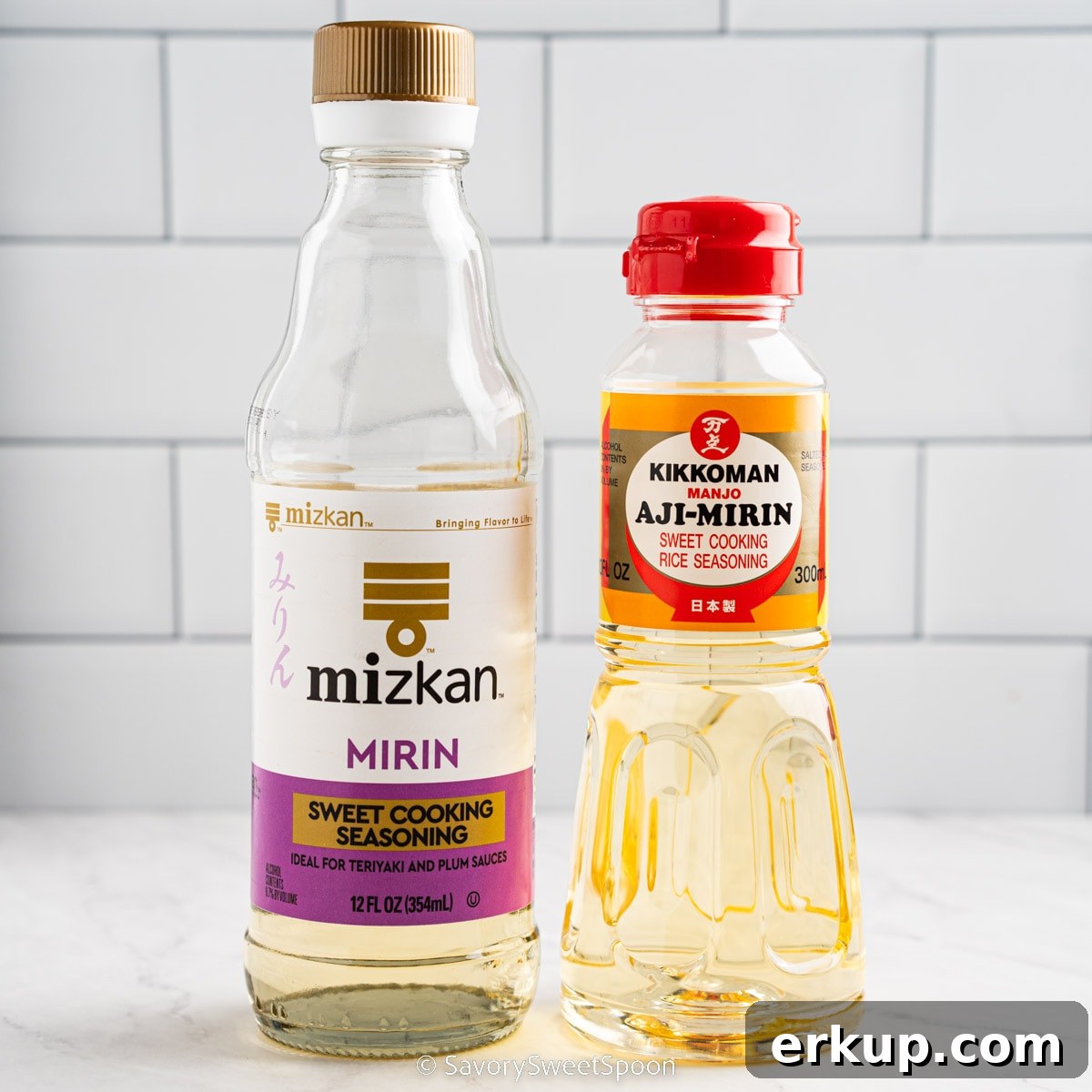
What is Mirin?
Mirin is a Japanese rice wine with a characteristic sweetness and relatively low alcohol content compared with sake. It’s commonly used to add sweetness, depth, and a glossy sheen to glazes, sauces, and braises. Traditional mirin is made from glutinous rice, a fermentation starter such as koji, and a distilled spirit; the result is a complex, slightly syrupy condiment that enhances savory dishes without overpowering them.
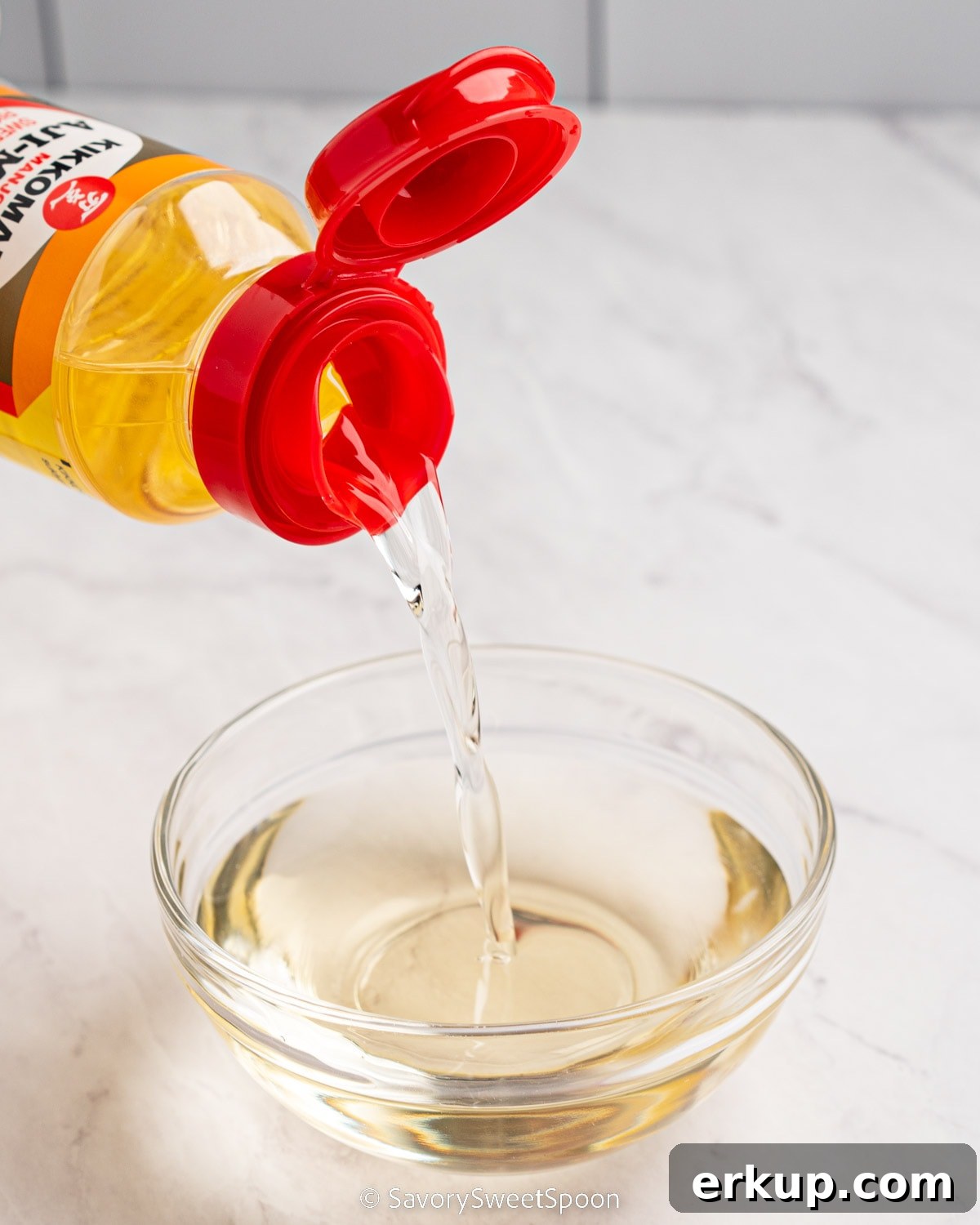
Best Substitutes for Mirin
1. Sweet Sake (Amazake)
Sweet sake—often called amazake—can be a close match to mirin because of its gentle sweetness and rice-based character. Some versions of amazake are nonalcoholic and have a thicker, porridge-like texture; others are fluid and mildly alcoholic. Use sweet sake where you want a rice-forward sweetness and a mild, rounded finish. Start by substituting it in equal amounts to mirin and tweak for sweetness if needed.
2. Dry Sherry
Dry sherry offers a nutty, slightly sweet flavor and can work well in cooked sauces and marinades that call for mirin. It brings acidity and complexity, especially in pan sauces and glazes. Use dry sherry as a 1:1 substitute, then add a pinch of sugar or honey if you want to bring back mirin’s characteristic sweetness. Avoid using overly oxidized styles that taste harsh.
3. Rice Vinegar + Sugar
A simple and reliable option is rice vinegar combined with a small amount of sugar. Rice vinegar provides the mild acidity typical of mirin, while sugar restores sweetness. Start with about one part sugar to four parts rice vinegar and mix until dissolved, then taste and adjust. This blend works well in dressings, marinades, and sushi rice where a balance of sweet and tangy is important.
4. White Wine + Sugar
White wine—especially a fruity, slightly sweet variety—paired with a bit of sugar can mimic mirin’s acidity and sweetness. Use an off-dry Riesling or Gewürztraminer if available; otherwise a dry white wine with added sugar will also work. Substitute wine for mirin in equal measure and add sugar to taste. This is a good option for braises, glazes, and pan sauces.
5. Pineapple Juice
Pineapple juice is an accessible nonalcoholic alternative that brings natural sweetness and acidity. It adds a fruity note that can enhance Asian-inspired marinades, glazes, and stir-fries. Because pineapple juice is noticeably fruit-forward, use it where that flavor profile complements the dish. Start with a slightly smaller quantity than the mirin called for and adjust to taste.
Tips for Replacing Mirin
- Start with equal amounts when substituting and adjust sweetness or acidity to taste.
- For sauces and glazes, finish cooking to reduce and concentrate flavors—this helps create a glossy finish similar to mirin.
- If you need the alcohol-free option, choose nonalcoholic amazake, pineapple juice, or a rice vinegar/sugar mix.
- Balance is key: mirin’s role is to round flavors, so taste and tweak rather than oversweetening.
FAQ
For teriyaki and stir-fries, a combination of a mild rice-based wine (sake or sweet sherry) with a little sugar or honey works well. This mix gives the sweet, tangy balance and glossy finish expected in these dishes. Start with equal parts substitute to mirin, then add small amounts of sugar or honey until the flavor feels right.
For sushi rice, rice vinegar combined with a small amount of sugar is the preferred substitute. A common ratio to begin with is about 1 tablespoon of rice vinegar and 1 teaspoon of sugar per cup of cooked rice, then adjust to taste. This provides the sweet-and-sour profile needed to season sushi rice properly.
Using the right substitute depends on the dish and whether you want an alcoholic or alcohol-free option. With the simple swaps above—sweet sake, dry sherry, rice vinegar plus sugar, white wine plus sugar, or pineapple juice—you can preserve the intended sweet tang and finish of your recipes even when mirin isn’t available.