Homeownership comes with rewards and responsibilities. Regular seasonal maintenance keeps your property safe, efficient, and attractive while reducing the risk of costly repairs. A consistent, practical home maintenance checklist carried out throughout the year protects your investment and improves comfort. Below are clear, actionable tips for spring, summer, fall, and winter care that you can follow to keep your home in top shape.

Spring
Spring signals renewal and is an ideal time to repair winter wear and prepare for warmer months. Tackling these tasks now prevents small issues from growing into expensive problems.
Inspect and Repair the Roof
Check your roof for missing or damaged shingles, cracked flashing, and spots where water could pool. Promptly repair leaks or compromised areas to avoid interior damage. If your roof shows significant wear or storm damage, consult a professional roofing contractor to assess whether repairs or replacement are needed.
Clean and Test Gutters and Downspouts
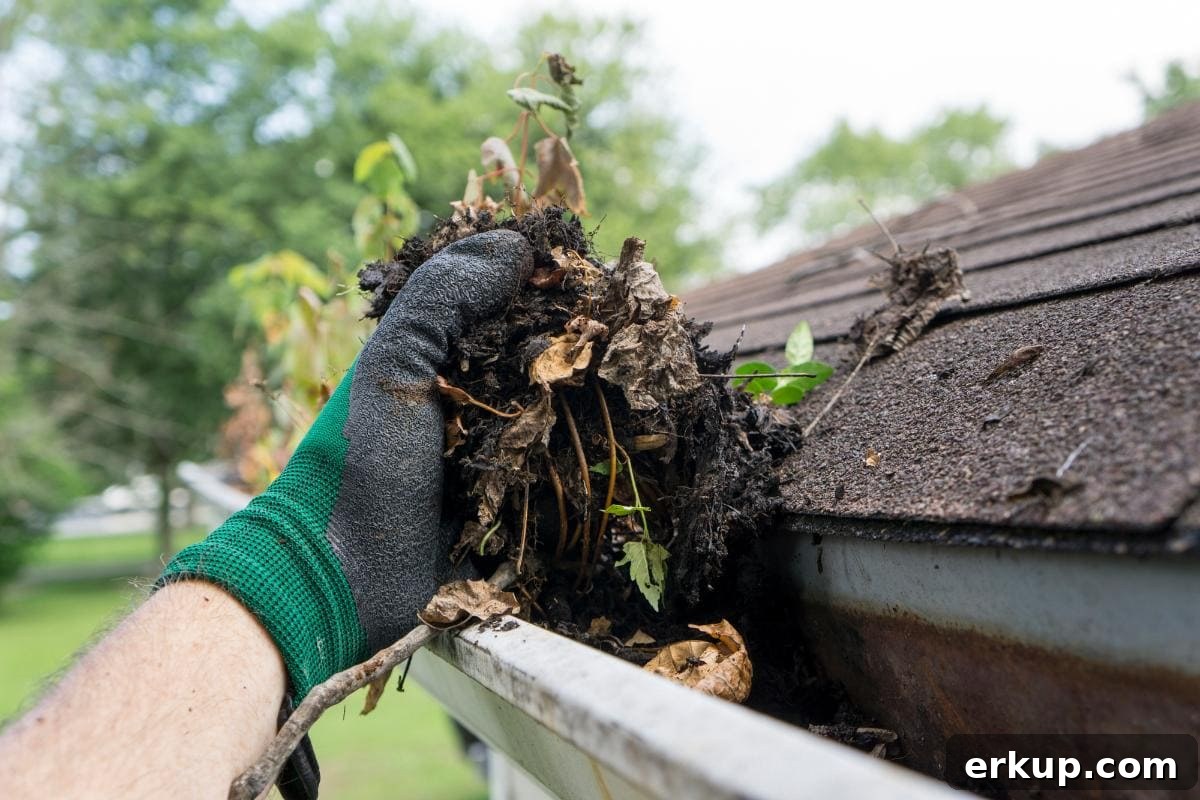
Clear leaves and debris from gutters so water can flow freely. Check for leaks, sagging sections, or detached downspouts and ensure runoff is directed away from the foundation. Proper drainage prevents foundation issues, basement moisture, and landscape erosion.
Service Cooling Systems
Before temperatures rise, have your air conditioning inspected. Replace filters, clean or clear condensers, and verify that thermostats and airflow are functioning correctly. Regular AC maintenance improves efficiency and reduces energy bills while helping equipment last longer.
Summer
Summer brings outdoor living and high temperatures. Keep your exterior systems and landscaping well maintained to avoid heat-related stress on equipment and structures.
Maintain Lawn and Irrigation
Keep grass mowed, edged, and adequately watered. Inspect sprinkler systems for leaks, misaligned or broken heads, and adjust schedules to conserve water while maintaining a healthy lawn. Address weeds and pest problems early to prevent spread.
Protect Decks and Patios
Clean outdoor wood and composite surfaces, replace loose boards or nails, and apply sealant or stain where appropriate. Sealing protects wood from sun and moisture damage and extends the life of decks and outdoor flooring.
Trim Trees and Shrubs
Prune trees and shrubs to remove dead branches and reduce the risk of storm damage. Proper trimming keeps plantings healthy and prevents limbs from rubbing against siding, roofs, or power lines.
Fall
Fall is the transition to colder weather. Focus on insulation, heating readiness, and preventing water and cold from entering your home.
Clear Gutters and Install Guards if Needed
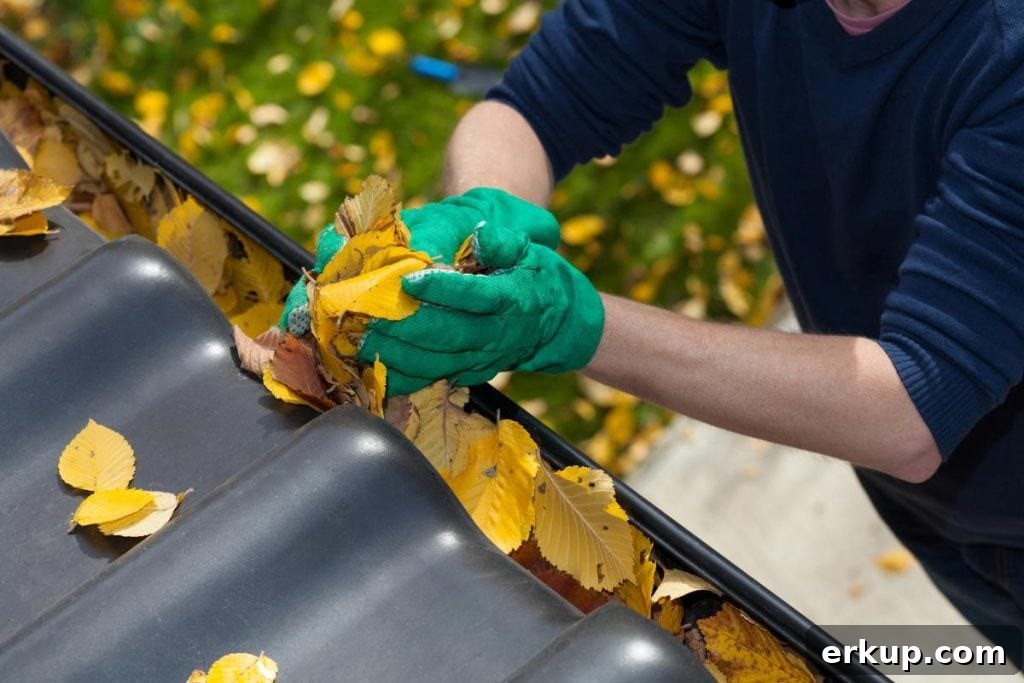
Remove the season’s leaves and debris to avoid clogs during heavier rains and early snowfall. Consider gutter guards to reduce maintenance frequency and lower the risk of ice buildup in colder climates.
Service Heating Equipment
Have furnaces, heat pumps, and other heating equipment inspected and serviced by a professional. Replace filters, test safety controls, and confirm that vents and chimneys are clear to ensure safe, efficient operation.
Seal Drafts and Insulate
Inspect doors and windows for drafts and seal gaps with weatherstripping or caulk. Check attic and pipe insulation and add coverage where needed to improve energy efficiency and prevent frozen pipes in colder regions.
Winter
Winter demands attention to prevent cold-related damage and to maintain a comfortable, safe home environment.
Prevent and Address Frozen Pipes
Insulate exposed plumbing and keep cabinet doors open for heat circulation in cold snaps. Allow faucets to drip slightly during extreme cold to reduce the chance of pipes freezing and bursting.
Watch for Ice Dams and Remove Snow Safely
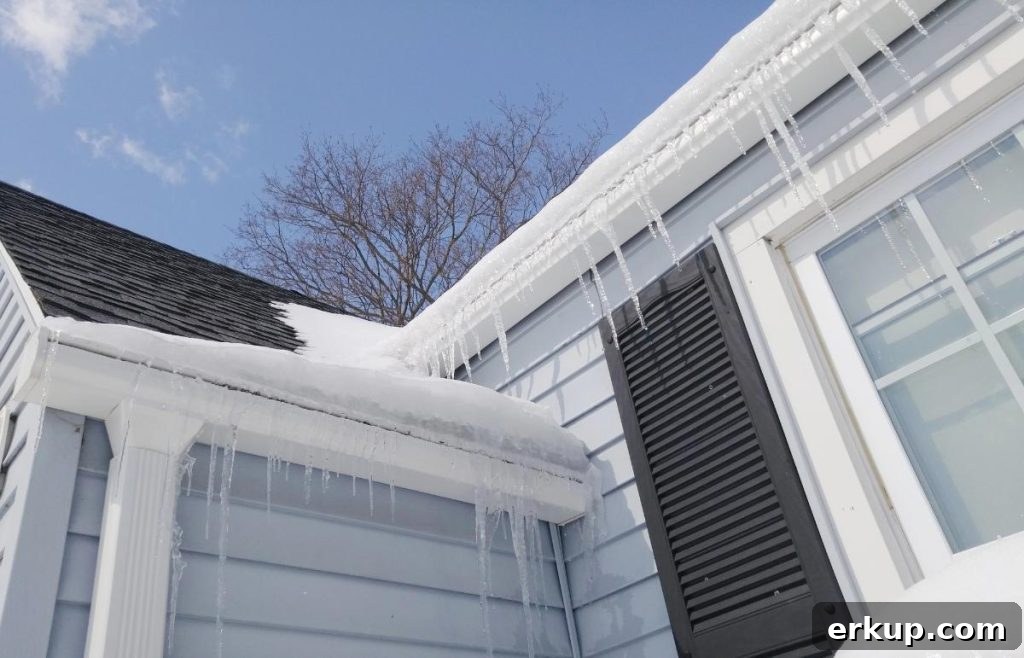
Ice dams form when roof heat melts snow that refreezes at the eaves, forcing water under shingles and into the home. Remove excess roof snow carefully and address attic ventilation and insulation to minimize freeze-thaw cycles that cause ice dams.
Inspect and Clean Fireplaces and Chimneys
Have chimneys and fireplace systems inspected and cleaned by a professional before the heating season. A clear chimney reduces the risk of creosote fires and improves fireplace efficiency. Check and maintain carbon monoxide detectors and smoke alarms as part of winter safety.
Maintain a seasonal checklist and schedule inspections and service visits as needed. Prioritize safety items—roofs, gutters, heating systems, fireplaces, and plumbing—and handle cosmetic or landscape tasks when time permits. Regular, seasonal maintenance preserves your home’s value, improves energy efficiency, and reduces the likelihood of emergency repairs. Start today by noting a few immediate items from this checklist and plan the rest across the season for steady, manageable upkeep.