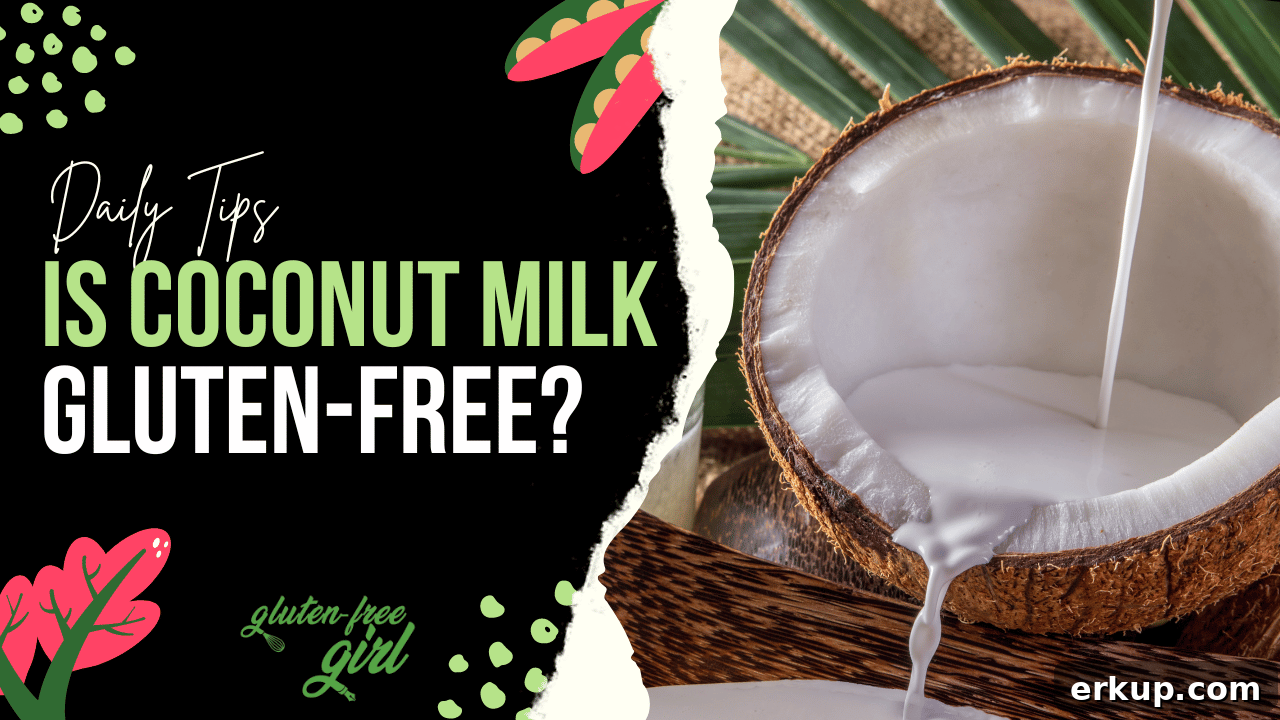
Yes, coconut milk is gluten-free. Coconut milk is made from the flesh of mature coconuts and, by nature, does not contain gluten. It’s a reliable dairy alternative for people with celiac disease or gluten sensitivity because it is fruit-based rather than grain-based. Unlike wheat, barley, or rye, coconuts are not a source of the protein that causes gluten-related reactions.
For those avoiding gluten, pure coconut milk is a safe and versatile ingredient. It fits well into many eating patterns that eliminate grains, such as paleo and many whole-food or plant-based approaches. Coconut milk adds creaminess and flavor to dishes while remaining free from the gluten proteins that trigger autoimmune responses in people with celiac disease.
Coconut milk is commonly used as a substitute for dairy in cooking and baking, and it works in both sweet and savory recipes. When choosing commercial products, however, it’s important to check labels for added ingredients or potential cross-contamination risks—plain, unsweetened coconut milk is the simplest and most reliable choice for gluten-free cooking.
Can a Person with Celiac Disease Eat a Meal that has Coconut Milk?
Yes. Pure coconut milk does not contain the gluten proteins found in grains, so dishes made with uncontaminated coconut milk are generally safe for people with celiac disease. Because celiac disease is an immune-mediated condition triggered by gluten, avoiding gluten-containing grains is essential. Using coconut milk in place of dairy or grain-based creams eliminates one common source of potential gluten exposure.
Individual tolerance and dietary patterns vary, so many people with celiac disease include coconut milk regularly while others use it less often. Its lactose-free, dairy-free profile and smooth texture make it a convenient base for soups, curries, desserts, and beverages.
What Gluten-Free Recipes Can You Cook with Coconut Milk?
Here are popular gluten-free recipes that use coconut milk:
- Coconut Milk Chia Pudding: A creamy, gluten-free breakfast or dessert made by soaking chia seeds in coconut milk.
- Coconut Milk Curry: A rich base for vegetable, seafood, or meat curries that balances spices and adds silkiness.
- Coconut Milk Curry Noodles: A fragrant sauce for rice or gluten-free noodles paired with vegetables and proteins.
- Coconut Milk Ice Cream: A dairy-free frozen dessert that works well with vanilla, chocolate, or fruit flavors.
- Coconut Milk Oatmeal: Oats cooked with coconut milk for a smoother texture; use certified gluten-free oats if needed.
- Coconut Milk Pancakes: Gluten-free pancakes made tender and flavorful with coconut milk.
- Coconut Milk Rice Pudding: A creamy, dairy-free rice pudding with a subtle coconut taste.
- Coconut Milk Smoothie: A creamy base for fruit and greens that remains dairy-free.
- Thai Coconut Soup (Tom Kha Gai): A classic Thai soup where coconut milk provides a silky, slightly sweet backdrop.
- Coconut Milk Tofu Stir-Fry: A velvety sauce for tofu and vegetables that keeps the dish gluten-free when using gluten-free soy alternatives.
How is Coconut Milk Gluten-Free?
Coconut milk is gluten-free because it is extracted from coconut flesh, not from cereal grains that contain gluten. The typical preparation—blending shredded coconut with water and straining—does not introduce gluten. As a naturally gluten-free ingredient, coconut milk is widely used in gluten-free and vegan cooking for its richness and versatility.
Is Coconut Milkshake Gluten-Free?
Yes, a coconut milkshake made from plain coconut milk and gluten-free ingredients is gluten-free. Be cautious with mix-ins, toppings, or flavorings, since items like cookie crumbs, malted ingredients, or certain processed flavorings can contain gluten. To ensure a fully gluten-free milkshake, use certified gluten-free add-ins and check product labels.
Is the Milk and Coconut Milk the same Gluten-Free Substance?
Both cow’s milk and pure coconut milk are naturally gluten-free, but they are different products. Cow’s milk is an animal product containing lactose, while coconut milk is a plant-based, dairy-free liquid. Both can be part of a gluten-free diet, but processed or flavored versions of either may include additives that introduce gluten, so label-checking is important.
How do you Keep Coconut Milk Dishes Gluten-Free?
Follow these steps to maintain gluten-free coconut milk dishes:
- Read labels carefully. Choose coconut milk labeled gluten-free or with a clear ingredient list.
- Prefer plain products. Select unsweetened, unflavored coconut milk without added thickeners or flavorings that might contain gluten.
- Use gluten-free ingredients. Ensure spices, sauces, and other recipe components are certified gluten-free.
- Prevent cross-contamination. Clean utensils, cookware, and surfaces thoroughly and, if possible, use designated equipment for gluten-free cooking.
- Make your own. Homemade coconut milk from fresh coconut and water gives full control over ingredients and reduces contamination risk.
- Follow trusted recipes. Use recipes designed for gluten-free cooking to avoid accidental inclusion of gluten-containing components.
Are Coconut Milk Cocktails Gluten-Free?
Coconut milk cocktails can be gluten-free when all ingredients, including spirits and mixers, are free from gluten. Some liquors, liqueurs, or flavored mixers may contain gluten or be produced in ways that pose cross-contamination risks, so always verify labels and ingredient sources.
Why is Coconut Milk Best for Latent Celiac Disease?
Coconut milk is a good option for people with latent celiac disease because it naturally lacks gluten and is unlikely to provoke gluten-related immune reactions. Its creamy texture makes it a flexible substitute for dairy or grain-based creams in recipes. To reduce the risk of exposure, select certified gluten-free coconut milk and avoid products processed in facilities that also handle gluten-containing ingredients.
How can Coconut Milk Contain Gluten?
Coconut milk can become contaminated with gluten through:
- Processing in facilities that also handle gluten-containing grains, causing cross-contact.
- Added thickeners, flavorings, or stabilizers in some commercial products that contain gluten-derived ingredients.
- Cross-contamination in shared home kitchen equipment or utensils.
- Flavored or blended products that include gluten-containing additives.
How Can You Prevent Gluten Cross-Contamination from Coconut Milk?
Prevent cross-contamination by using dedicated utensils and containers for gluten-free cooking, thoroughly cleaning shared surfaces and equipment, and selecting brands with clear gluten-free labeling. In shared kitchens, keep gluten-containing ingredients separate and avoid reusing tools that have touched gluten foods unless properly washed. These practices help protect the gluten-free status of coconut milk and any dishes prepared with it.
Are Coconut Milk Beverages Gluten-Free?
Plain coconut milk beverages are gluten-free, but always inspect product labels to ensure no gluten-containing flavorings or additives were included during processing. Certified gluten-free products offer the greatest assurance for people with celiac disease.
Are Coconut Milk Candies Gluten-Free?
Coconut milk candies can be gluten-free, but it depends on the recipe and manufacturing processes. Check labels for gluten-containing ingredients and for information about possible cross-contamination in the production facility. When in doubt, choose products labeled as gluten-free.
Are Canned Coconut Milk Products Gluten-Free?
Canned coconut milk is typically gluten-free, but formulation and processing vary by brand. Read ingredient lists and, if needed, contact the manufacturer to confirm whether the product meets gluten-free standards. Choosing reputable brands that clearly label gluten-free products reduces risk for those with celiac disease or gluten sensitivity.