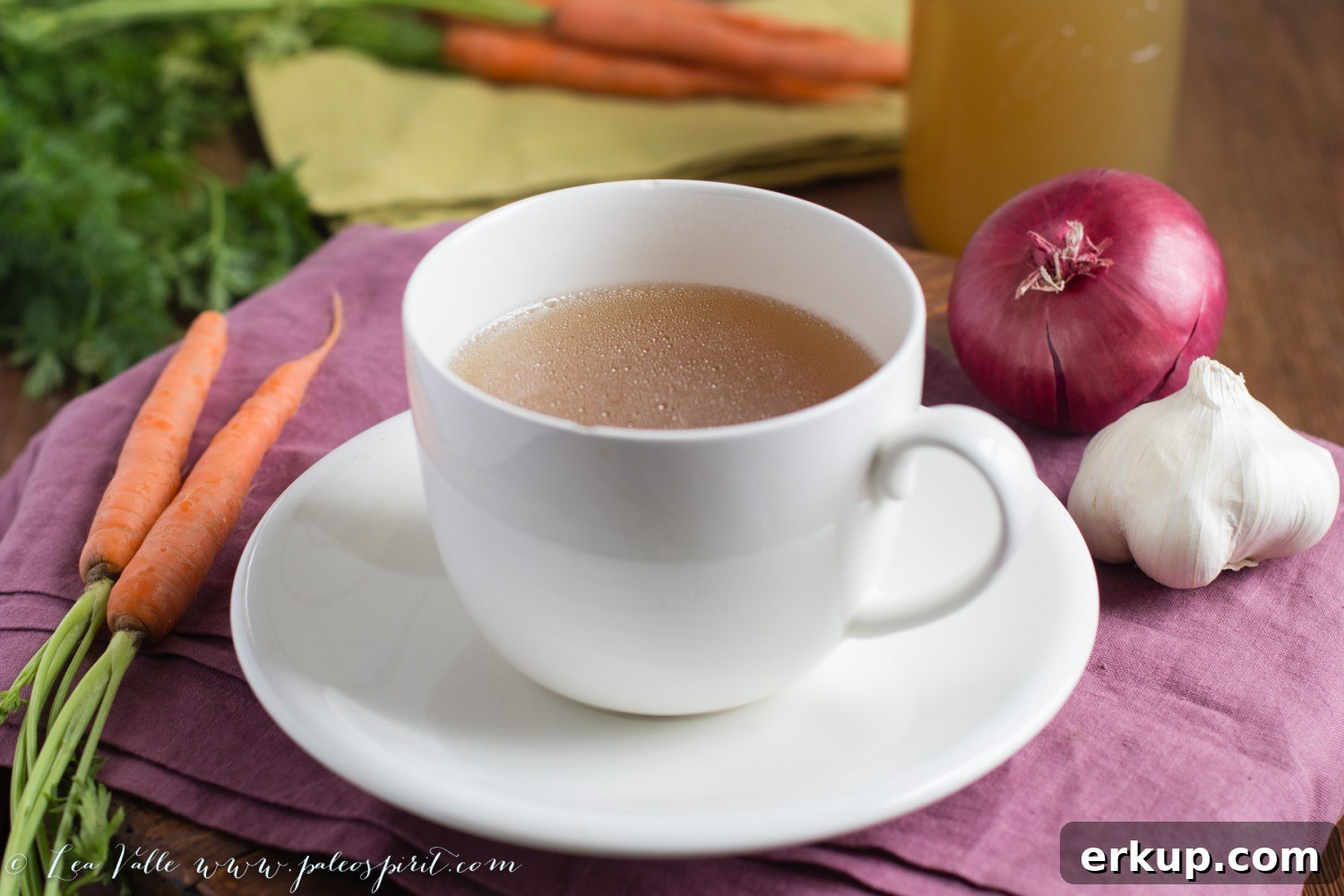
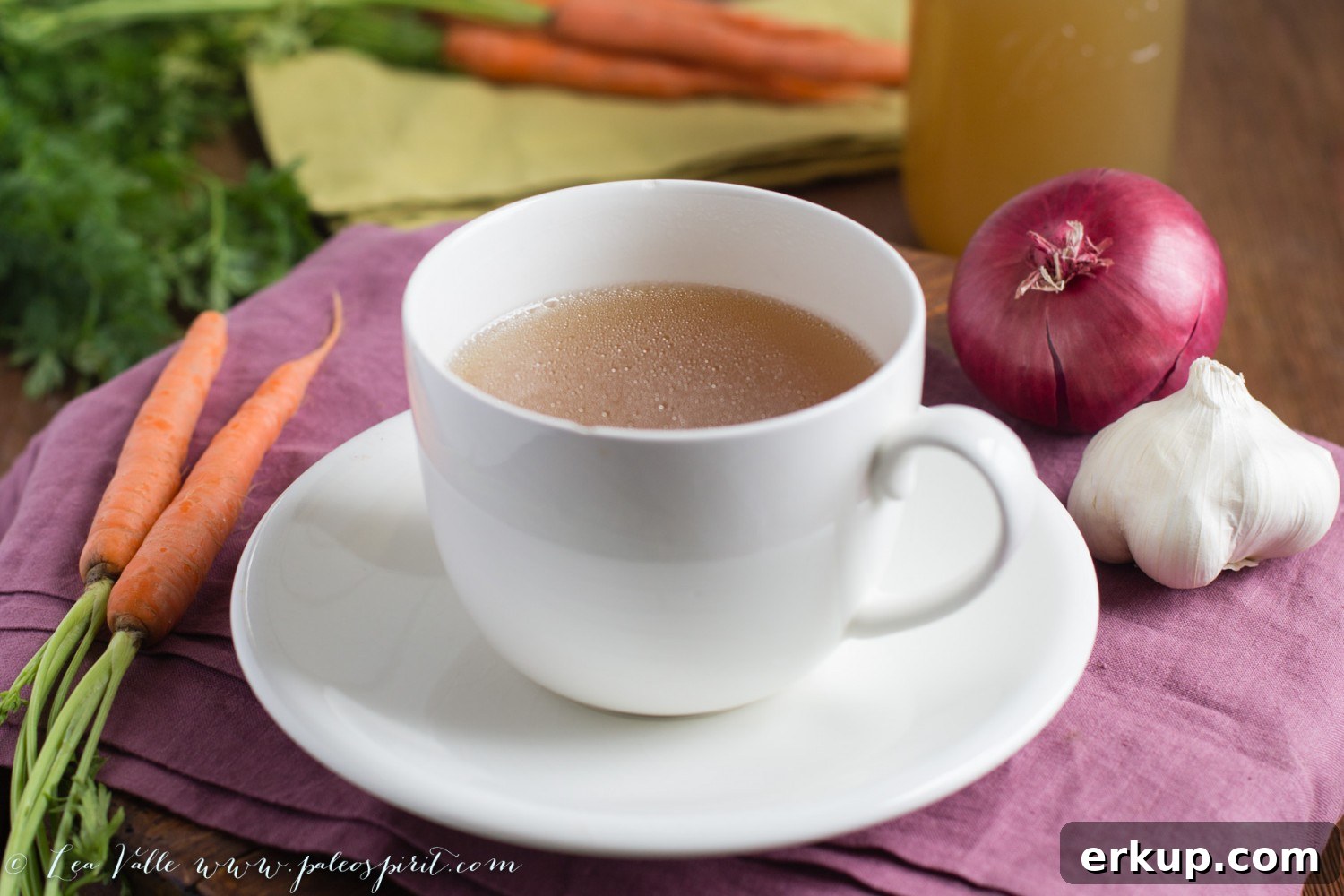
Pressure cooker bone broth is straightforward to prepare and packed with nutrients. If you own an electric pressure cooker such as an Instant Pot, making a rich, nourishing bone stock becomes even easier. Below I’ll explain how to produce high-quality bone broth in a few hours using a pressure cooker instead of simmering for an entire day.
Before my diagnosis with celiac disease and the changes I made to my diet, I struggled with frequent health issues—most notably repeated respiratory infections. For years, seasonal colds and allergies routinely developed into sinus infections that required antibiotics to resolve. I tried many approaches to support my immune system, but nothing seemed to help consistently.
While medications can be essential when infections become serious, I also have multiple drug allergies, including some antibiotics, which made me want stronger preventive strategies. After adopting a paleo-style diet and addressing my celiac disease, my overall health and immune resilience improved dramatically. I now rarely get sick, and on the few occasions I’ve had colds recently, I managed to avoid antibiotics.
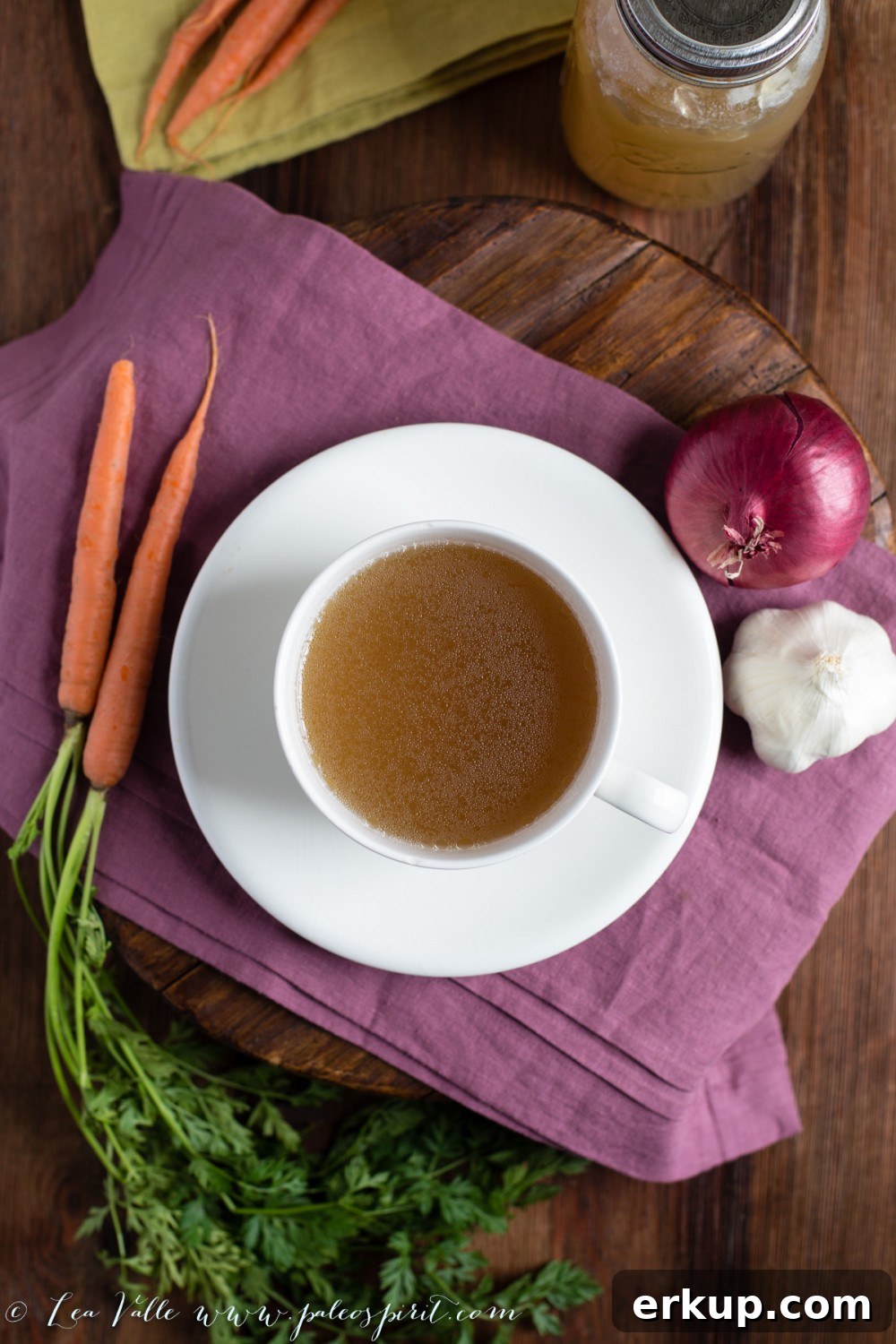
Pressure Cooker Bone Broth
When I recently came down with a cold I wanted to do everything possible to stop it from developing into a bacterial infection. One of the first things I made was pressure cooker bone broth. Bone broth supplies collagen and amino acids like proline, glycine and glutamine, plus minerals such as calcium, magnesium and phosphorus in forms that are easy for the body to absorb. Preparing broth in a pressure cooker yields a concentrated, nutrient-dense stock in a fraction of the time required by slow-simmering methods.
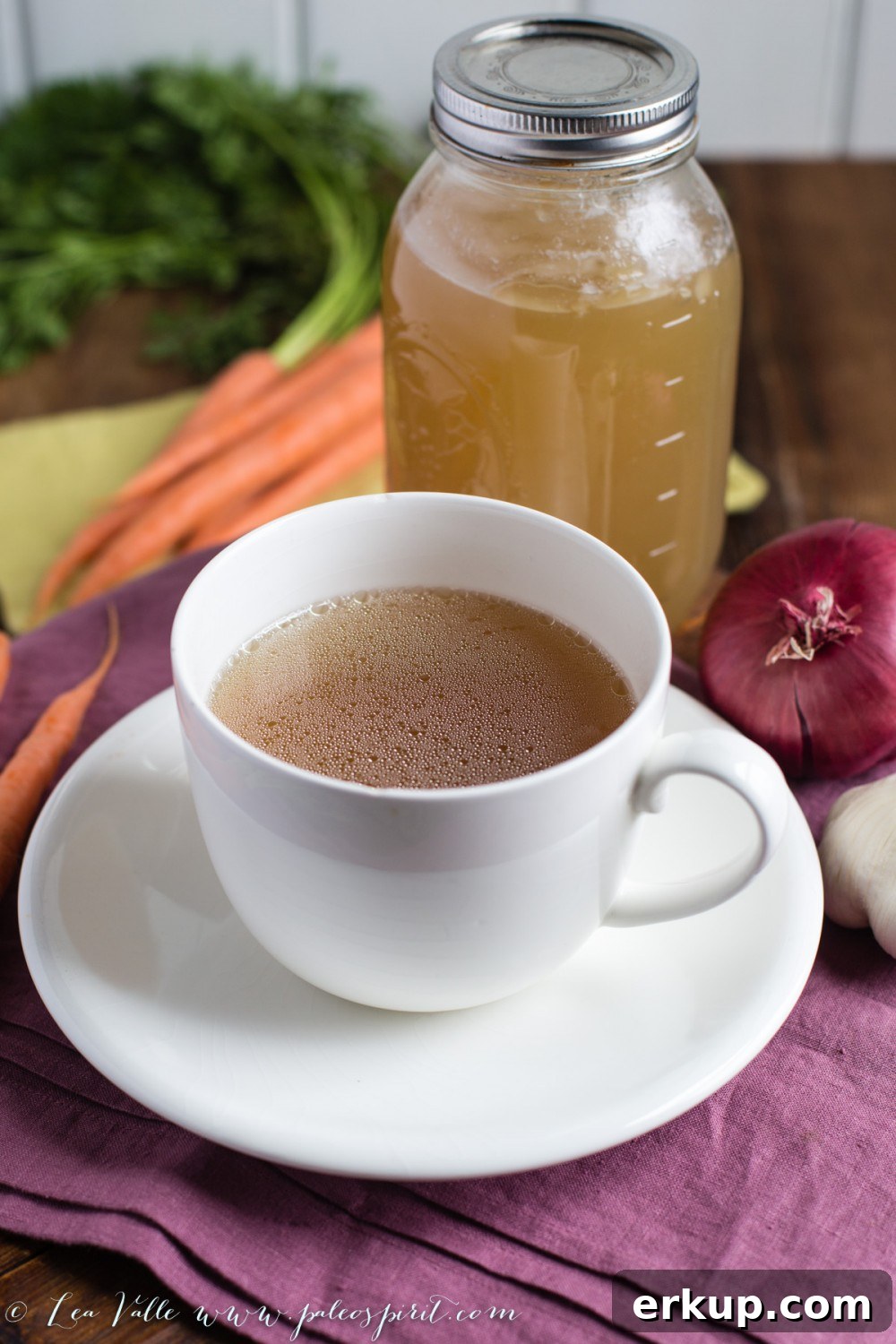
This pressure-cooker method uses beef bones with a mix of marrow and joints (or knuckles), a few vegetables and aromatics, a splash of vinegar to help extract minerals, and simple seasonings. You don’t have to roast the bones first, although roasting can add a deeper flavor. The main advantage of the pressure cooker is time: you can achieve a full-bodied, gelatinous broth in a much shorter period than traditional stovetop or slow-cooker techniques. Another practical benefit is that it significantly reduces the prolonged cooking odor that sometimes bothers family members.

My Cold and Flu Routine
Along with drinking warm bone broth daily during the cold, I used nasal irrigation with a Neti Pot and added a few drops of oregano oil to my routine because of its traditional use for respiratory support. I also drank calming, steam-promoting herbal teas and took a nightly magnesium supplement to help rest and recovery. While none of these measures guarantee prevention of a bacterial infection, nourishing the body with easy-to-digest nutrients, staying well hydrated, and getting adequate sleep support the immune system and improve odds of resolving a viral illness without antibiotics.
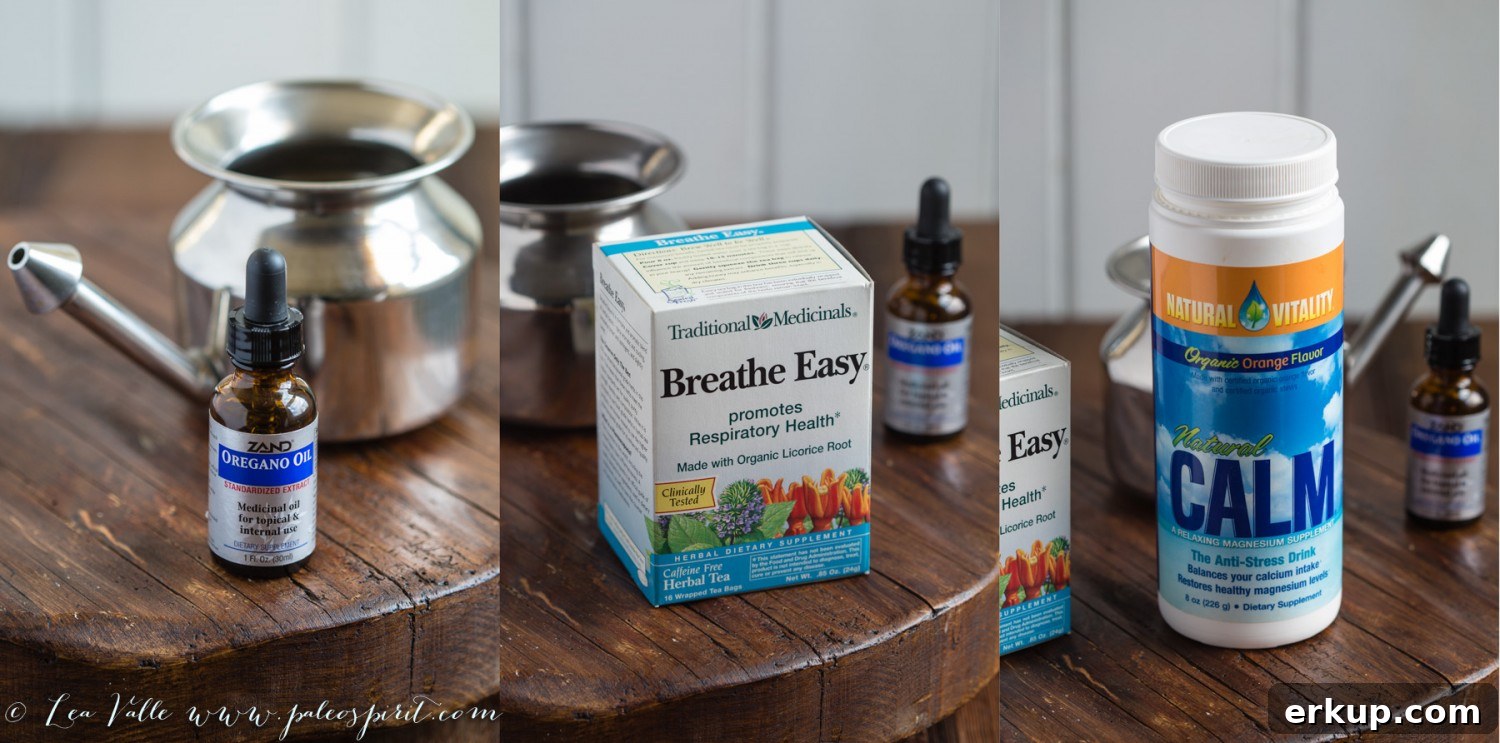
In my case these combined practices helped me recover from a recent cold without needing antibiotics—something that had been rare for me in the past. If you’re interested in preventing complications when you’re sick, nourishing bone broth is a simple, supportive strategy alongside rest, fluids, and proper medical care when necessary.
If you have your own home remedies or routines you follow when you get sick, I’d love to hear about them in the comments.

I’ve also created a page with information about my cookbook “Sweet Paleo: Gluten-Free, Grain-Free Delights.”
Below is the pressure-cooker bone broth recipe I use. You can make it with a stovetop pressure cooker or an electric model such as an Instant Pot.
Pressure-Cooker Bone Broth
Make a nutritious bone stock using a stove-top pressure cooker or an electric pressure cooker.
- Author: Lea Valle
- Prep Time: 5 minutes
- Cook Time: 90 minutes to 3 hours
- Total Time: Approximately 3 hours (allow extra time to cool)
- Yield: About 12 cups
- Category: Stock, Broth
- Cuisine: Pressure Cooker / Instant Pot
Ingredients
- 2.5–3.5 lbs grass-fed beef bones — a mix of marrow bones and joints/knuckles is ideal
- 1 carrot, roughly chopped
- 1 celery stalk, roughly chopped
- 1 medium onion, cut into large chunks (or a large leek)
- 4 crushed garlic cloves
- 6 peppercorns
- 1 bay leaf
- 1 tablespoon vinegar (helps extract minerals from the bones)
- 12–16 cups water (enough to cover ingredients but do not exceed your pressure cooker’s fill line, usually 2/3 full)
- 1 tablespoon Celtic sea salt, or to taste
Instructions
- Place all ingredients except the salt into the pressure cooker. Add enough water to cover the ingredients without exceeding the manufacturer’s recommended fill level.
- If using a stovetop pressure cooker, heat on medium-high until full pressure is reached, then reduce heat to maintain pressure and cook for 90 minutes to 3 hours. For electric pressure cookers, set to high pressure for 90 minutes (you can increase time up to 3 hours for a richer stock).
- Turn off the heat and allow the cooker to release pressure naturally and cool to room temperature. You can let it cool overnight. If you need it faster with a stovetop model, you can carefully run cool water over the outer pot to release pressure.
- When cooled, strain the broth through a fine sieve into a large bowl and discard solids. You may keep the larger bones to reuse for another batch by adding fresh vegetables and seasonings.
- To concentrate the broth, return the strained liquid to a pot and simmer to reduce to your preferred strength for storage.
- Season to taste with sea salt before serving or storing.
Notes
Using knuckles, joints, and connective tissue helps produce a gelatinous broth when chilled, which is often prized for its texture and richness. Store cooled broth in the refrigerator for several days or freeze in portions for longer storage.
* I use specific brands for some supplements and products that work well for me. These are personal preferences and not endorsements; choose products that suit your needs.