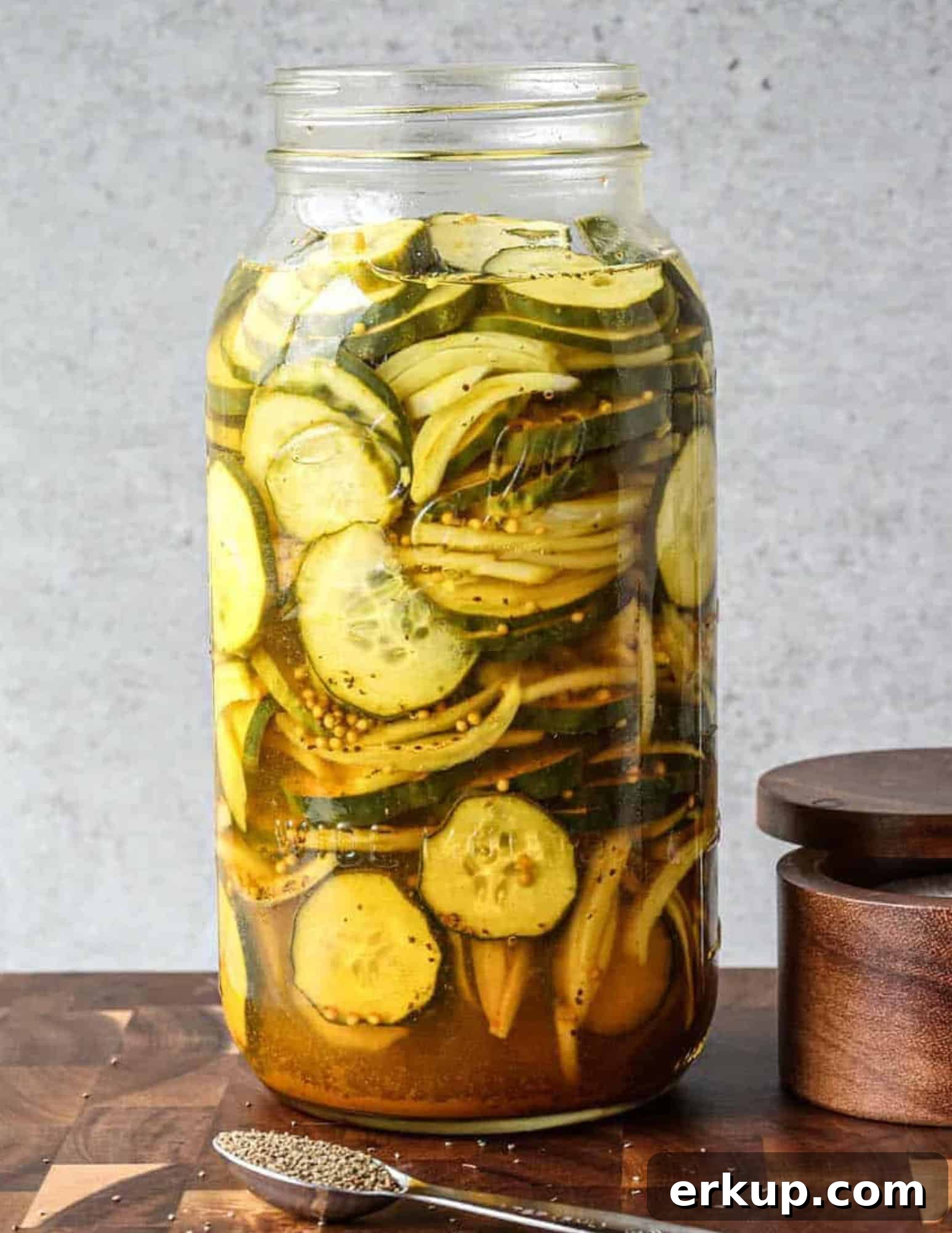
If you’ve never made pickles at home, this refrigerator bread and butter pickle recipe is an easy, dependable place to begin. Crisp, fresh cucumbers and sweet onion are packed into a half‑gallon jar and covered with a simple sweet-and-tangy brine made from apple cider vinegar, white vinegar, granulated and brown sugar, sea salt, mustard seeds, celery seeds, and a pinch of turmeric for color. No canning equipment or special skills are needed — the recipe comes together quickly on the stovetop and requires only a short resting period before refrigeration.
After the jar cools, place it in the fridge. In about one week the pickles develop a bright, crunchy, well-balanced flavor that’s ideal for sandwiches, burgers, snack boards, or snacking straight from the jar.
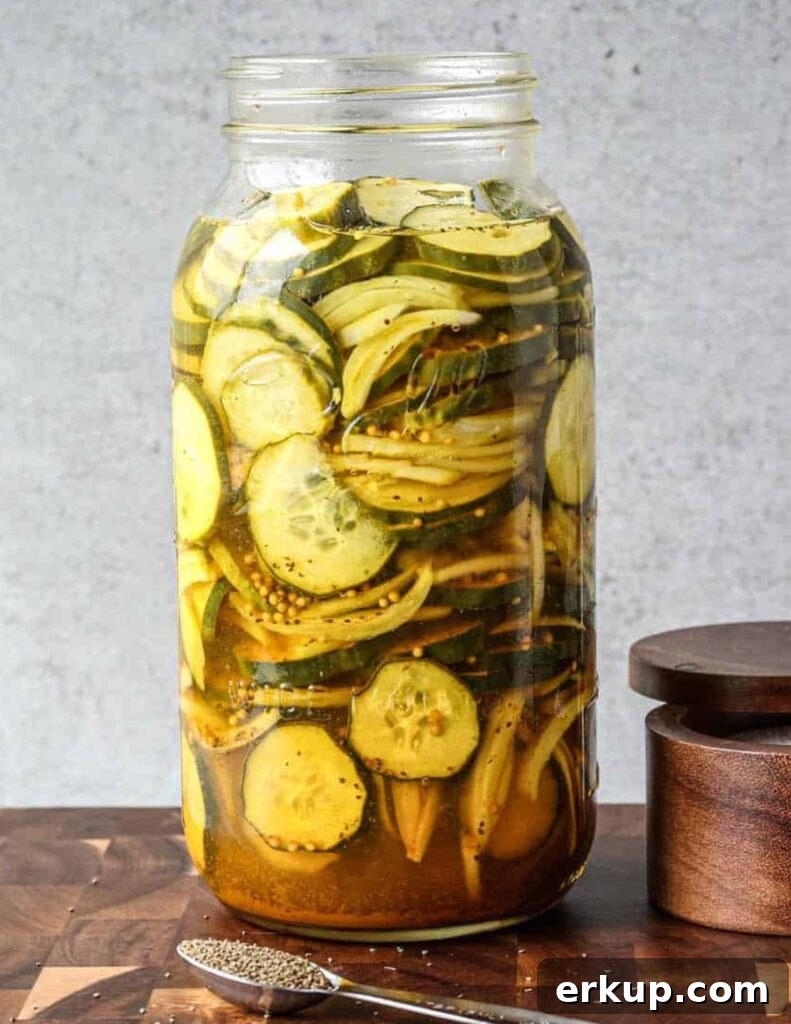
Homemade bread and butter pickles outperform most store-bought varieties in freshness and texture, and they’re a wonderful way to use an abundance of garden cucumbers at the end of summer. The brine balances sweetness and acidity with a touch of warm spice from mustard and celery seeds and a golden hue from turmeric.
I make a few jars each summer and keep them in the refrigerator to enjoy on burgers, sandwiches, snack boards, and as an effortless crunchy snack. Once you try refrigerator-style homemade pickles, you may find yourself preferring them to anything from the grocery aisle.
Ingredients
- 6 cups cucumbers, thinly sliced rounds
- 2 cups sweet onion, thinly sliced
- 3/4 cup granulated sugar
- 1/4 cup brown sugar
- 1 cup white vinegar
- 1 cup apple cider vinegar
- 1 teaspoon sea salt
- 1 teaspoon mustard seeds
- 1/2 teaspoon celery seeds
- 1/2 teaspoon ground turmeric
Instructions
This recipe yields one half‑gallon (2 quart) jar of refrigerator pickles. Follow these steps for the best texture and flavor.
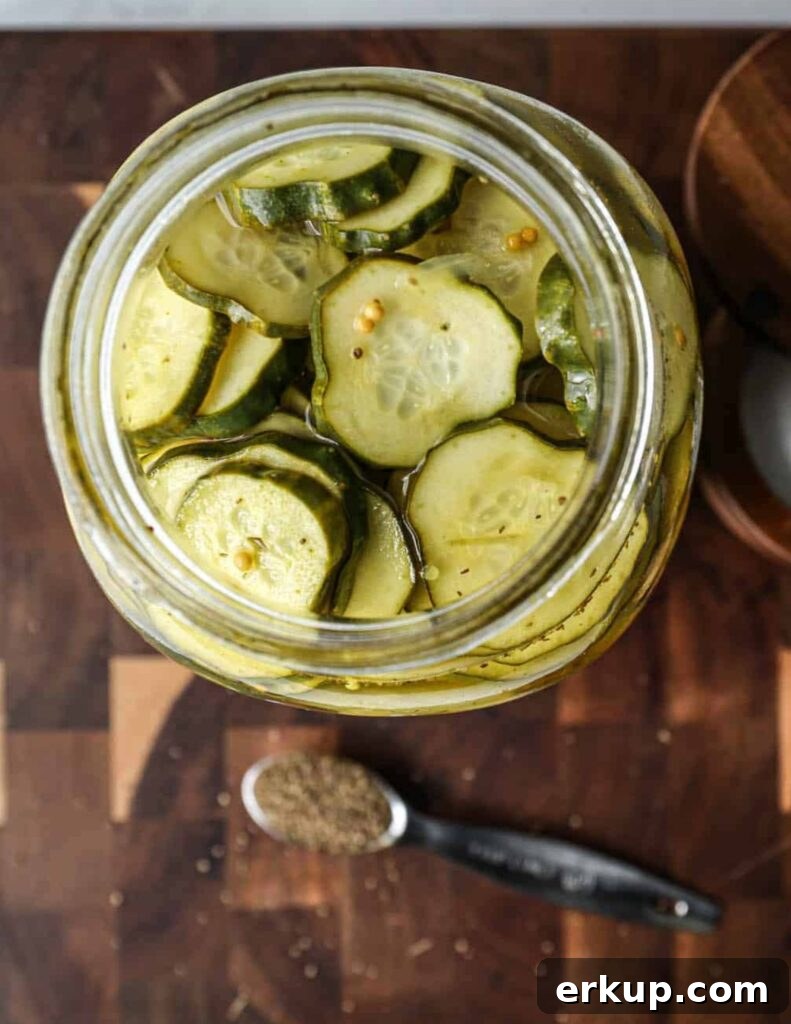
- Prepare a clean, sterilized jar. The simplest method is to wash the jar in hot, soapy water or run it through the dishwasher on a hot cycle and allow it to heat dry.
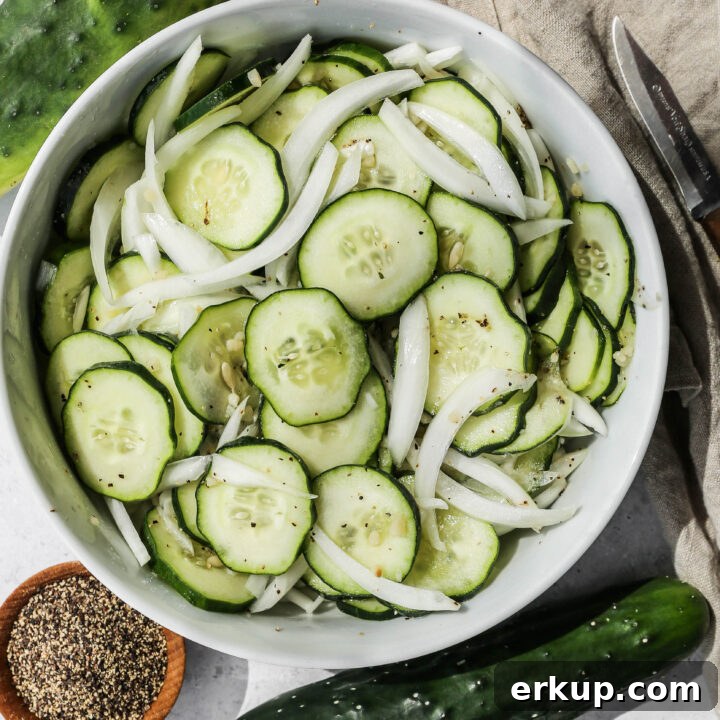
- Slice the cucumbers and the sweet onion into thin rounds. Pack them into the jar in layers, pressing down gently so the jar holds as many slices as possible.
- Make the brine: in a saucepan combine the granulated sugar, brown sugar, white vinegar, apple cider vinegar, sea salt, mustard seeds, celery seeds, and ground turmeric. Heat over medium until the sugar dissolves and the mixture is hot but not boiling.
- Pour the hot brine over the cucumbers and onions, filling the jar so the vegetables are fully submerged. If needed, add a splash more vinegar or a little water to top off.
- Let the jar cool completely on the counter. Once cool, seal with a lid and transfer to the refrigerator.
- Shake the jar gently every other day to redistribute spices. The pickles are ready to eat after about one week; flavor will deepen over time.
Supplies
- Half‑gallon or 2‑quart jar with lid (clean and sterilized)
- Saucepan
- Measuring cups and spoons
- Sharp knife or mandoline for slicing
- Cutting board and mixing spoon
Storage
Store the sealed jar in the refrigerator for 1–2 months. The pickles will continue to develop flavor the longer they sit in the brine; for best crunch, consume within the first month or two.

More Recipes You Might Enjoy
 Cucumber Salad with Vinegar Dressing
-
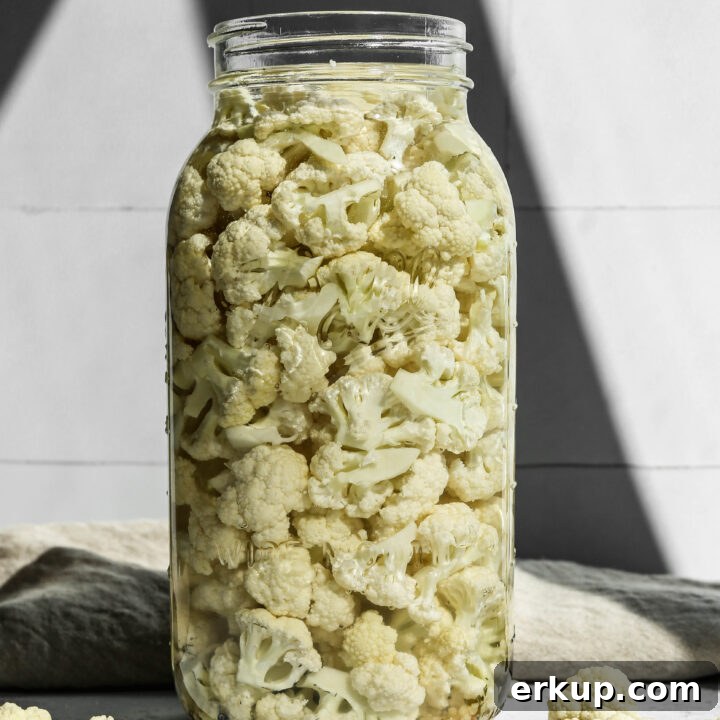
Easy Refrigerator Pickled Cauliflower
-
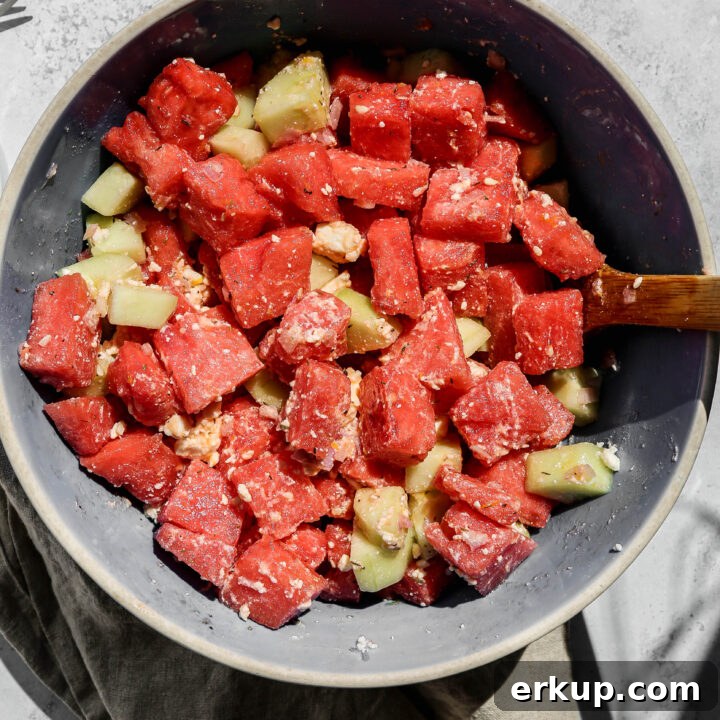
Watermelon Cucumber and Feta Salad
-
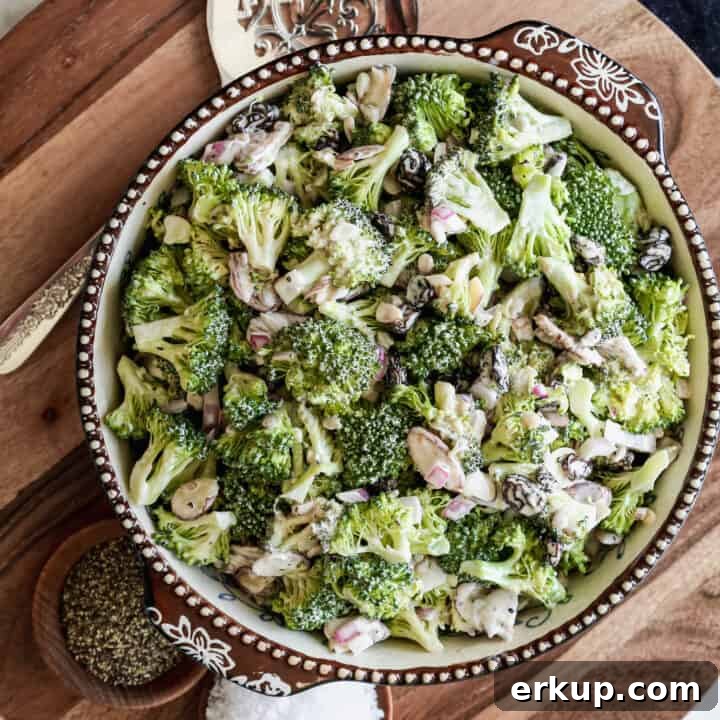
Sugar Free Broccoli Salad
If you make these refrigerator bread and butter pickles, I’d love to hear how they turned out—leave a rating or comment and tell me what you served with them. Save the recipe where you keep other favorites so you can return to it all cucumber season long.
Top Tips
- Begin tasting after one week. The flavor continues to improve at two weeks.
- For best crunch, start with very fresh cucumbers—pickling or Kirby-style cucumbers work especially well.
- If the brine doesn’t fully cover the vegetables, top up with a bit more vinegar or water so everything is submerged.
- These pickles are excellent on sandwiches and hamburgers and are a great way to use an overabundance of garden cucumbers.
Didn’t find the answer you’re looking for?
If you have a question about technique, timing, or substitutions for this recipe, try the FAQ below or experiment with small adjustments to suit your taste.
Frequently Asked Questions
Yes. Pickling cucumbers are an excellent choice because they typically have thinner skins, fewer seeds, and firmer flesh, which helps them stay crunchy in the brine. Slice them the same way you would slicing cucumbers.
Start with a clean jar for food safety and to keep pickles fresh. Running the jar through a hot dishwasher cycle or washing with hot soapy water and air drying is sufficient for refrigerator pickles (these are not shelf‑stable canned pickles).
Absolutely. The sweet-and-tangy brine works well with cauliflower, bell peppers, jalapeños, green beans, and mixed vegetable jars. Adjust cut size and blanching time as needed for firmer vegetables.
Soft pickles can result from cucumbers that weren’t fresh, leaving the jar out too long before refrigeration, or slicing too thinly. Use very fresh cucumbers, cool the jar and refrigerate promptly, and try slightly thicker slices for better texture.
Yes. Reducing sugar will make the pickles less sweet and more tart; start by cutting a couple of tablespoons and taste the hot brine before pouring it over the vegetables to find your preferred balance.
Yes. This recipe scales easily—double or triple all ingredients to fill multiple half‑gallon jars. Making several jars at once is a great way to preserve summer cucumbers for months of fridge-ready pickles.