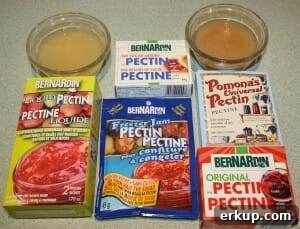
We had to make a second batch of this delicious hot pepper jelly because we ate too much of the first one—yes, the Christmas gifts disappeared again! While assembling the ingredients I realized we were out of liquid pectin. Fortunately, I found a box of powdered pectin (the Original Pectin pictured) in the cupboard and adapted the recipe. Below is a clear, practical guide for substituting powdered pectin for liquid pectin when making jams or jellies like hot pepper jelly.
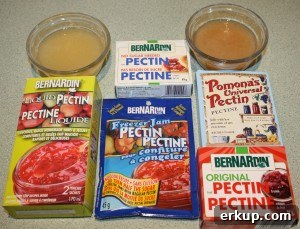
How to Substitute Powder Pectin for Liquid Pectin
Liquid and powdered pectin work differently in recipes, so they are not direct one-to-one substitutes. To get the best results you must change both the amount of pectin and the point at which you add it during cooking. Follow these guidelines to achieve a reliable set and a balanced texture.
Quantity
Use less powdered pectin than the equivalent amount of liquid pectin. A useful conversion is:
For one pouch of liquid pectin, use 2 tablespoons of powdered pectin.
This conversion applies to regular powdered (high-methoxyl) pectin brands. Low-sugar or specialized pectins have different requirements and may not behave the same way.
Process
The main procedural change is the timing of when you add the sugar and when you add the powdered pectin.
Mix the powdered pectin into the fruit and juice at the start of cooking, before adding any sugar. Bring the fruit and pectin mixture to a full rolling boil and maintain that full boil for 1 minute. After that minute, add the sugar and stir until completely dissolved, then continue with the recipe until finished.
This method helps the powdered pectin hydrate evenly and reduces the risk of clumping. Powdered pectin is designed to work during the boiling phase with the fruit’s natural acids and the sugar present, so giving it that initial time to disperse with the fruit ensures a better texture.
Practical tips
- To avoid lumps, sprinkle the powdered pectin into a small amount of the fruit juice or sugar and whisk into a slurry before adding to the pot, or sift it directly over the fruit while stirring vigorously.
- Bring the mixture to a true, full boil—a rolling boil that does not subside when stirred—before starting the one-minute timing. That full boil is key to activating the pectin properly.
- After adding the sugar, keep stirring until all sugar crystals dissolve to avoid grittiness and ensure an even set.
- If using fruit with very low natural pectin or low natural acidity, the result may be softer. Taste and adjust acid (lemon juice) only if your recipe calls for it.
What this substitution does and doesn’t cover
This substitution method is intended for regular powdered pectins (high-methoxyl types like common commercial brands). I have not tested it with low-sugar pectins such as Pomona or other pectin alternatives, which often require different ratios and procedures. If you are using a product labeled for low- or no-sugar jams, follow that product’s specific instructions instead of this method.
Troubleshooting
If your finished jam or jelly doesn’t set as expected, possible causes include insufficient pectin, too little sugar (when using high-methoxyl pectin, the correct sugar level matters), not reaching a full boil for the required time, or using fruit with very low natural pectin and acid. You can often rescue a soft batch by reprocessing it with additional powdered pectin following the pectin manufacturer’s directions, or by using the spread as a sauce if a firm set is not essential.
If you want more background on different pectin types and jam-making basics, look for a pectin comparison chart and beginner’s jam-making guides—these resources explain how various pectins behave and when to use them.
Happy jamming!
Getty Stewart is an engaging speaker and writer who shares tasty recipes, time-saving tips, and practical kitchen ideas to make home cooking easier and more enjoyable. She is a Professional Home Economist, author of the Prairie Fruit Cookbook, founder of Fruit Share, a mom, and a vegetable gardener.