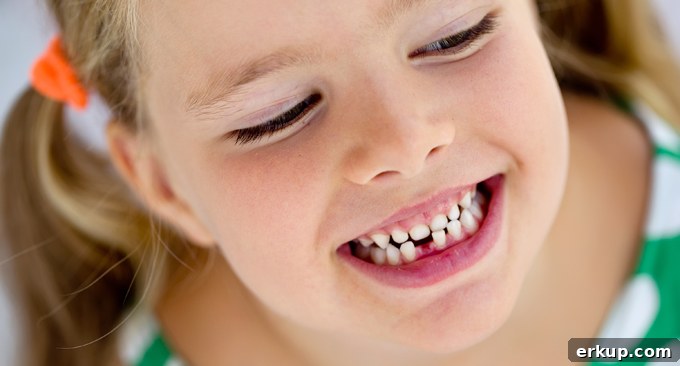
I remember being a little girl and terrified of having a loose tooth. I would let it dangle until it almost fell out on its own. My mother didn’t quite know how to handle me—she didn’t want to frighten me more, but she also thought it was a bad idea for me to walk around with a tooth hanging out of my mouth.
Before we go on: you might want to prepare a tooth fairy kit—it’s a fun way to build excitement and help your child feel in control.
“My child has a loose tooth! Now what?” I heard a mom ask that recently, and it got me thinking. My son is nearing the age when baby teeth start to come out, so I researched the basics: what to expect, how to help, and when to contact a dentist. Here’s what I learned and what you can share with your child to make losing baby teeth a little less scary and a lot more fun.
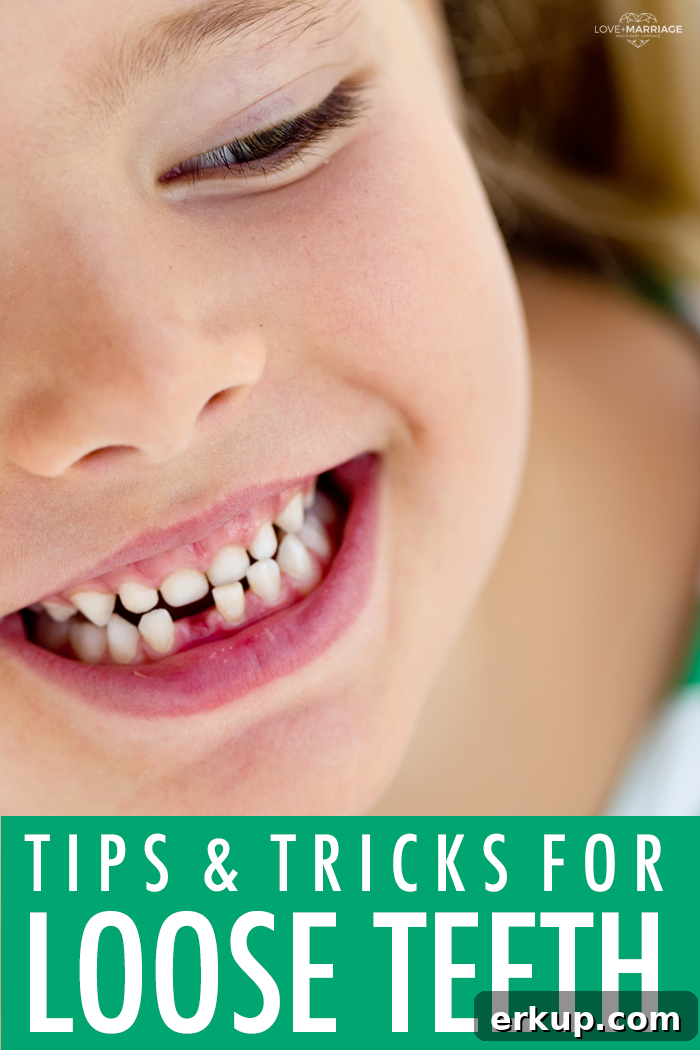
My Child Has a Loose Tooth – Now What?
1. When do kids start losing their baby teeth? Most children begin to lose primary (baby) teeth around age 6 or 7, though some kids may start a little earlier or later. It’s a normal part of development and varies from child to child.
2. The two bottom center teeth are usually first. These lower front teeth are often the first to become loose and fall out because they were among the first to come in.
3. The two top center teeth usually follow. After the lower fronts, the upper center teeth often loosen next, which is why that classic gap-toothed smile is common in elementary school.
4. Girls often start losing teeth slightly earlier than boys. Dentists aren’t sure why, but this small difference is commonly observed and is not a cause for concern.
5. Don’t yank the tooth out. Forcibly removing a loose tooth can be painful and unnecessary. Let the tooth fall out naturally when the root has resorbed and the adult tooth is ready to come in.
6. Allow gentle wiggling. If your child wants to wiggle the tooth, let them. Gentle movement gives them a sense of control and can help the tooth loosen gradually.
7. Keep brushing gently, especially at the gum line. Proper oral hygiene helps prevent infection and encourages the baby tooth to come out when it’s ready. Remind your child to brush and floss carefully around a loose tooth.
8. A natural tooth loss usually produces little bleeding. When a baby tooth falls out on its own, any bleeding is typically minimal. If there is a little blood, a clean piece of gauze or a damp tea bag held to the gum for a few minutes usually helps stop it.
9. Contact your dentist if the tooth won’t loosen or if there are concerns. If a baby tooth remains unusually loose for a long time, seems painful, infected, or the adult tooth isn’t appearing after the baby tooth has been gone for a while, call your pediatric dentist for advice. They can check for any underlying issues and advise whether intervention is needed.
10. Turn it into a positive milestone. Talk about how losing baby teeth makes room for adult teeth, and share the excitement about the tooth fairy or other family traditions. Reassure your child that feeling nervous is normal, and answer their questions honestly so they feel prepared.
These simple steps make the process straightforward and gentle. While my son doesn’t have any loose teeth yet, I’m preparing by planning how to make the experience fun and memorable. I’ll take photos and maybe a short video when the first tooth wiggles free—those small milestones disappear quickly, and it’s nice to have keepsakes.
As for the tooth fairy, every family makes their own rules. My mother used to say the tooth fairy collected teeth to make fairy dust, and I always found a sprinkling of white glitter on my pillow the next morning. Whether you keep a small coin, a note, a tiny gift, or a sprinkle of imagination, deciding a family tradition ahead of time helps your child look forward to the moment instead of fearing it.
If your child is nervous, try reading a gentle children’s book about losing teeth, role-playing the tooth-wiggling at home with a stuffed animal, or planning a little tooth fairy kit together. Simple preparation and a calm, reassuring approach will turn a loose tooth from a scary surprise into a fun rite of passage.