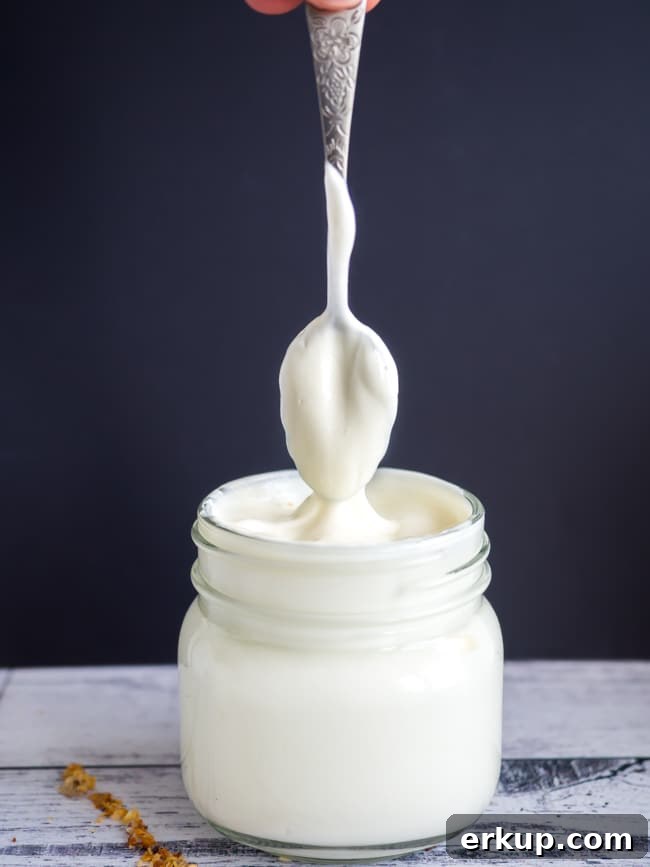
Keto Yogurt
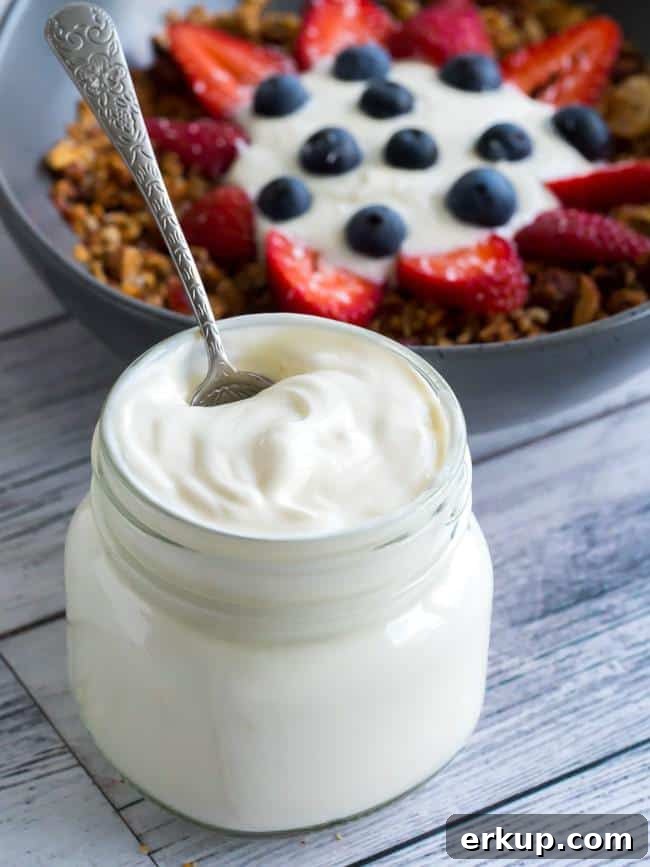
Keto Yogurt is one of my favorite homemade additions to keto granola and a delicious snack on its own. You can make this yogurt using either coconut cream (for a dairy-free version) or full-fat whole milk. When using whole milk, the probiotic cultures consume most of the naturally occurring sugars (lactose) during fermentation, so the final product remains low in carbs. This recipe is simple, flexible, and perfect for anyone following a low-carb, keto, or dairy-free diet.
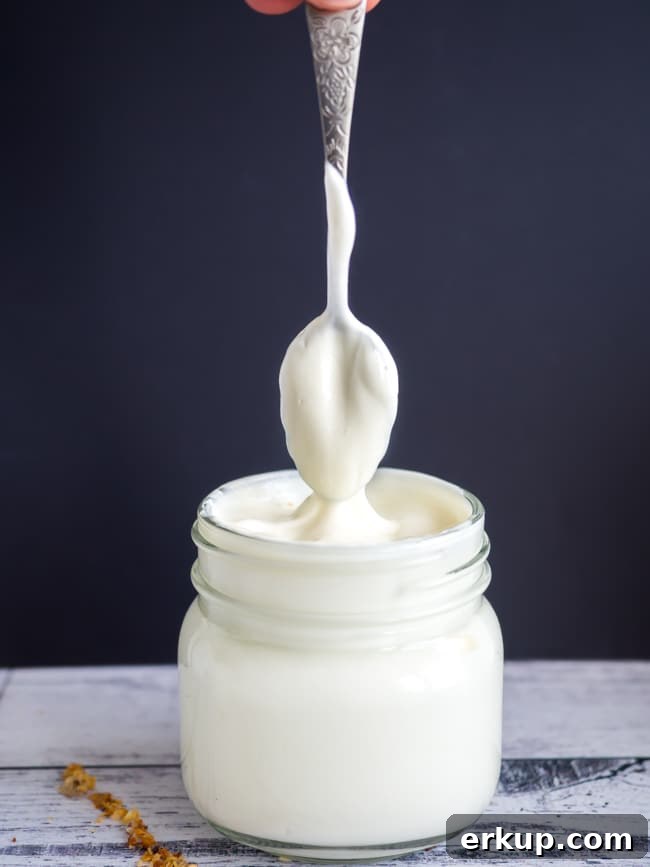
The homemade version develops a pleasant tang and creamy texture. If you prefer a milder flavor, consider using a yogurt starter specifically designed to produce a less tangy result. A yogurt maker or a well-insulated container (such as a thermos) can help maintain the ideal fermentation temperature around 42°C (108°F), but it’s not essential—many home kitchens work perfectly with the method below.
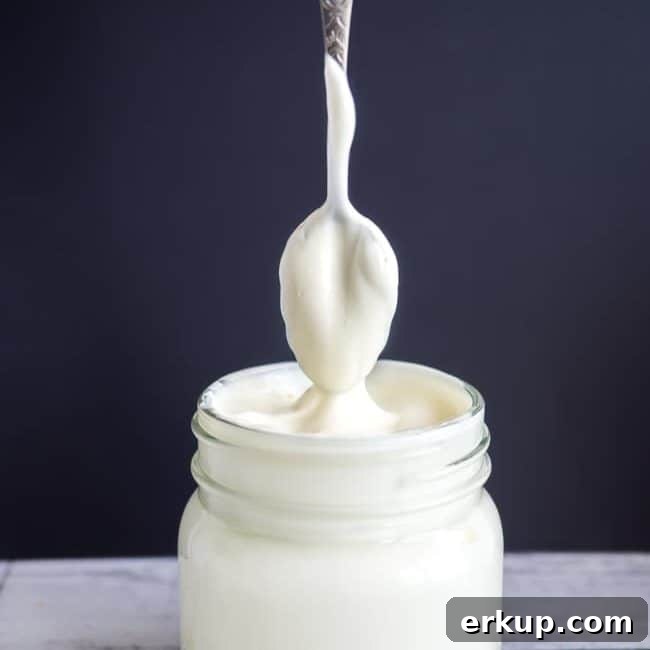
This recipe produces a thick, creamy yogurt. For the dairy-free option, coconut cream and a small amount of guar gum help achieve a richer texture. For the whole-milk version, simply ferment the milk with powdered probiotics and strain away the clear whey if you’d like an even thicker result. Allow the yogurt to ferment long enough for the cultures to develop flavor—timing varies depending on the base you use.
Serves: 4 | Prep: 5 minutes | Cook: 10 minutes | Total: 15 minutes
Author: FatForWeightLoss (Aaron Day)
Calories (per serving): 184 kcal
Ingredients
Dairy-Free Version
- 400 ml coconut cream
- 1 tsp guar gum
- 2 probiotic capsules, powdered
Whole Milk Version
- 1 litre full-fat milk
- 2 probiotic capsules, powdered
Instructions
Dairy-Free
- Pour the coconut cream into a saucepan and whisk in the guar gum so it disperses evenly.
- Gently heat the mixture until it begins to boil, then keep it at a gentle simmer for about 7 minutes to ensure the guar gum activates and the texture develops.
- Remove from heat and allow the mixture to cool to about 42°C (108°F). Use a thermometer if you have one; this temperature range is ideal for the probiotics to work.
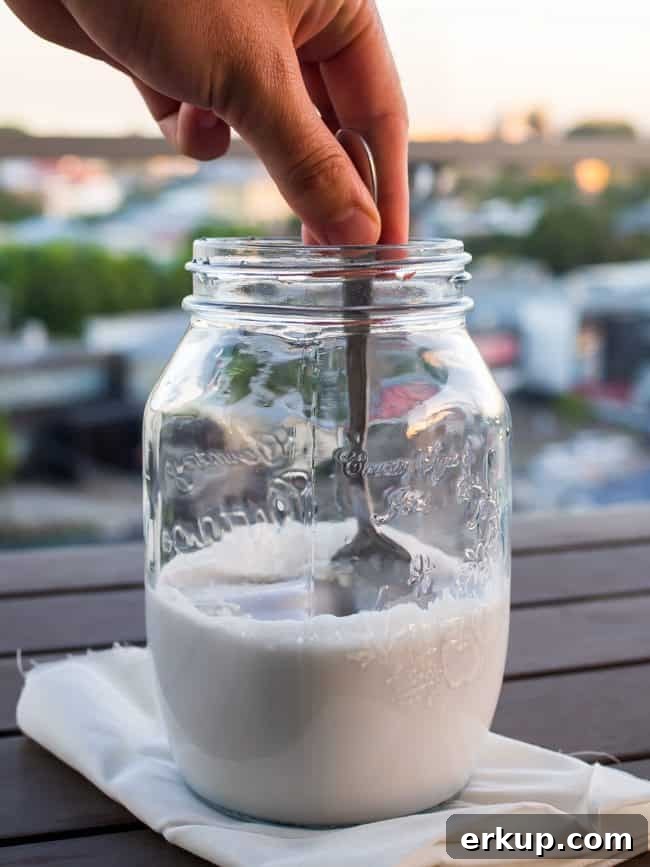
- Transfer the cooled mixture into a clean glass jar. Stir in the powdered contents of the probiotic capsules with a sterilized metal spoon (you can sterilize by pouring boiling water over the spoon and letting it cool briefly).
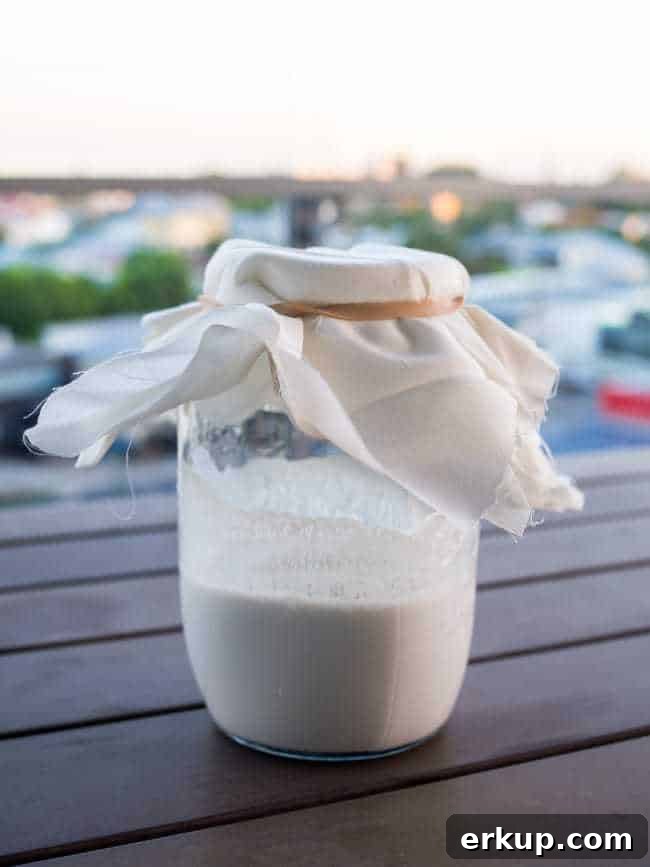
- Cover the jar with a breathable cloth such as cheesecloth and secure with a rubber band. This allows gases to escape while keeping contaminants out.
- Let the jar sit in a warm place for about 48 hours, ideally around 42°C (108°F). A thermos or insulated container can help keep the temperature steady. After fermentation, refrigerate to slow the cultures and firm up the yogurt.
Whole Milk Version
- Pour 1 litre of full-fat milk into a saucepan. Heat gently until it begins to boil, then maintain a simmer for a short period (similar to the dairy-free method) to prepare the milk.
- Remove from heat and cool to approximately 42°C (108°F).
- Transfer to a clean glass jar and stir in the powdered probiotic with a sterilized spoon.
- Cover with a breathable cloth and let sit in a warm place for about 12 hours. The whole-milk version ferments faster than the coconut cream method.
- For thicker yogurt, strain the room-temperature yogurt through a cheesecloth to remove the clear whey, then refrigerate to set further.
Tips & Notes
- Always cool heated milk or cream to about 42°C (108°F) before adding probiotics. Higher temperatures can kill the cultures.
- Sterilize any utensils and jars to reduce the chance of contamination. Pouring very hot water over a metal spoon and jar rim is a simple way to sanitize.
- Covering the jar with a breathable cloth allows carbon dioxide to escape during fermentation. Avoid sealing the jar airtight during this stage—pressure can build up and cause a messy, sudden release when opened.
- After fermentation, refrigerate the yogurt. Cold storage slows the cultures and helps the yogurt thicken and mellow in flavor.
- Serve with keto granola, sugar-free berry syrup, or fresh low-carb berries for a balanced, flavorful breakfast or snack.
Nutrition Facts
Amount per serving
Calories: 184 (Calories from fat: 153)
Fat: 17 g — 26% DV
Carbohydrates: 1 g — 0% DV
Protein: 2 g — 4% DV
*Percent Daily Values are based on a 2000 calorie keto diet.
Course & Tags
Course: Breakfast
Cuisine / Diet: Dairy Free, Gluten Free, Low Carb / Keto, Nut Free, Paleo, Vegan (dairy-free option), Vegetarian
Keywords: dairy free yogurt, keto yogurt, homemade yogurt
If you try this recipe, enjoy experimenting with texture and fermentation times to suit your taste. Homemade keto yogurt is a versatile base—use it in breakfasts, desserts, or savory bowls. I hope you love making and serving this as much as I do.