 El Salvador, whose name means “The Savior,” carries a complex history shaped by indigenous cultures, Spanish colonization and modern struggles for peace and democracy. People from El Salvador are commonly called Salvadorans or, informally, Guanacos — a nickname that some embrace and others view as derogatory.
Located in Central America between Guatemala and Honduras, El Salvador is the region’s smallest country but also its most densely populated. Unlike its neighbors, the country opens to the Pacific Ocean rather than the Caribbean, giving it renowned surf beaches that host international competitions each year. Independence from Spain came in 1821, and the country formally separated from the Central American Federation in 1839.
Before European contact the territory was dominated by indigenous states, most notably the Pipil. Although the Pipil initially resisted the Spanish, by 1525 they were overcome. Colonial rule brought dispossession, forced labor and heavy taxation. In 1932 a brutal event known as “La Matanza” resulted in the massacre of tens of thousands of peasants—mostly indigenous—who by subsequent generations largely concealed their heritage, adopting Spanish dress and language. Today the population is overwhelmingly mestizo, Spanish is the official language, and only small traces of the Pipil language remain.
The late 20th century brought further trauma. Between 1979 and 1992 El Salvador endured a civil war that claimed tens of thousands of lives and displaced many more; an estimated portion of the population fled abroad, particularly to the United States. Since the peace accords, democratic elections have returned and the country has been rebuilding, though challenges persist, including gang violence, drug trafficking and poverty.
Religion continues to shape public life, with a majority identifying as Catholic and a substantial Protestant minority. Archbishop Oscar Romero, assassinated in 1980 while celebrating Mass for his outspoken advocacy on behalf of the poor, remains a powerful symbol; his recent beatification was widely celebrated in El Salvador and among Salvadoran communities abroad.
El Salvador is also known as “the land of volcanoes.” Volcanic soils produce fertile farmland that supports important crops: coffee grown in the highlands is a key export, while sugarcane is common in coastal lowlands. Izalco, one of the country’s well-known volcanoes, earned the nickname “the Lighthouse of the Pacific” during historical eruptions. Archaeological discoveries have been made under layers of volcanic ash: the pre-Columbian village of Joya de Cerén, often called the “Pompeii of the Americas,” revealed remarkably preserved homes and agricultural practices and was designated a UNESCO World Heritage site in 1993.
Environmental recovery has been a focus since the 1990s. Reforestation efforts have sought to restore tropical forest cover lost during decades of instability. Salvadorans value natural sites such as Lake Ilopango, set among volcanoes and mountains, and cultural centers like Santa Ana (historically Sihuatehuacan), which preserves important architectural and historical treasures. San Salvador, the capital, remains the country’s political and cultural hub.
Football (soccer) is the nation’s most popular sport and a source of passionate support. Historic rivalries, including the so-called “Football War” with Honduras in 1969, underscore how deeply the sport is woven into national identity. Among the country’s most celebrated players is Jorge “Mágico” González, admired for his talent and remembered as one of El Salvador’s greatest footballers.
Cuisine in El Salvador blends indigenous Pipil traditions with Spanish influences and local ingredients. The national dish is the pupusa: a thick handmade corn tortilla stuffed with fillings such as cheese, beans or chicharrón. Archaeological finds at Joya de Cerén include ancient preparations resembling modern pupusas, linking the dish to long-standing food traditions. Pupusas are typically served with curtido, a tangy cabbage slaw, and a mild red salsa known as salsa roja.
Other traditional foods include empanadas, tamales, sopa de pata (a tripe and cow’s-foot soup), fried yuca, chicharrón and casamiento (a rice-and-beans mixture). Coastal areas often feature fresh seafood. Popular beverages include coffee, tamarind juice and horchata (a sweet, spiced drink). For dessert, fresh fruit, tres leches cake and semita—a sweet coffee cake often filled with guava or pineapple jam—are commonly enjoyed.
The Menu
Starter
Pupusas (masa cakes)
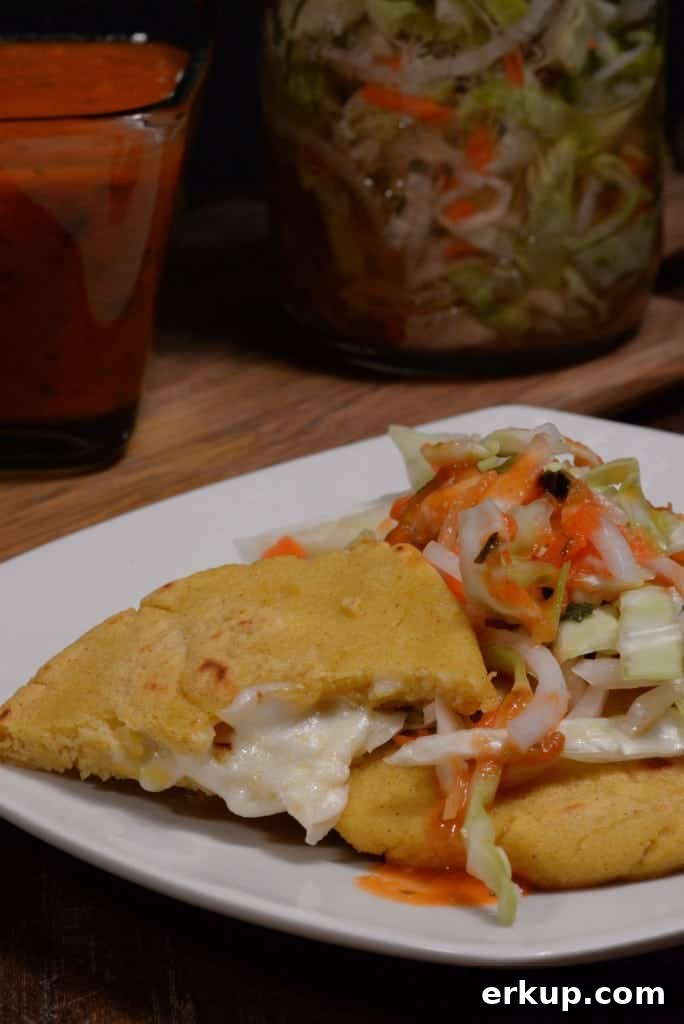
with Curtido (cabbage slaw)
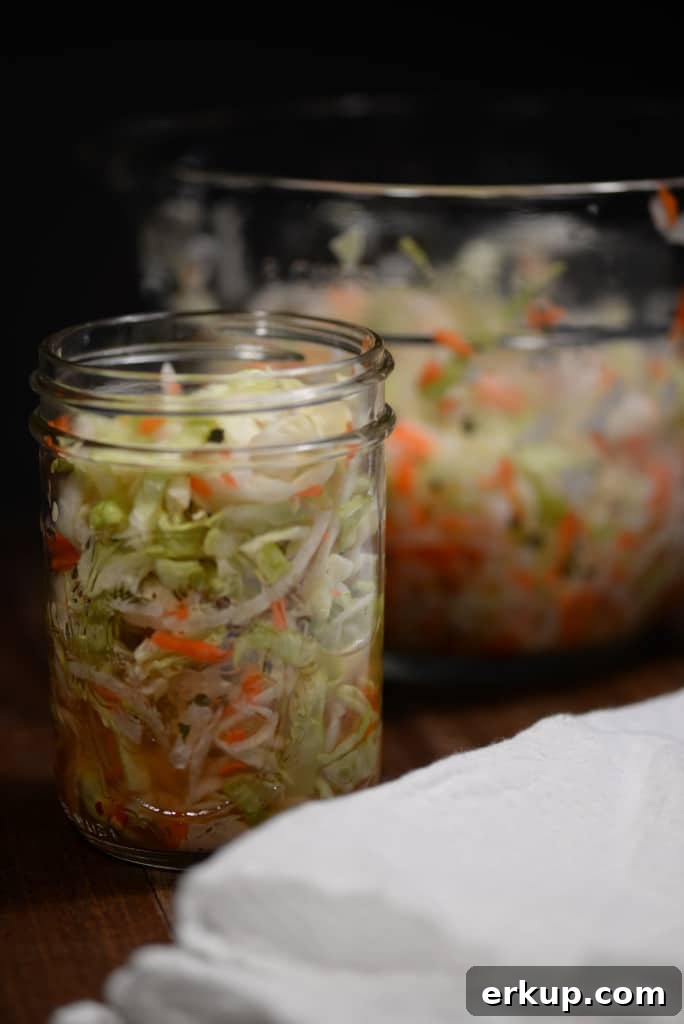
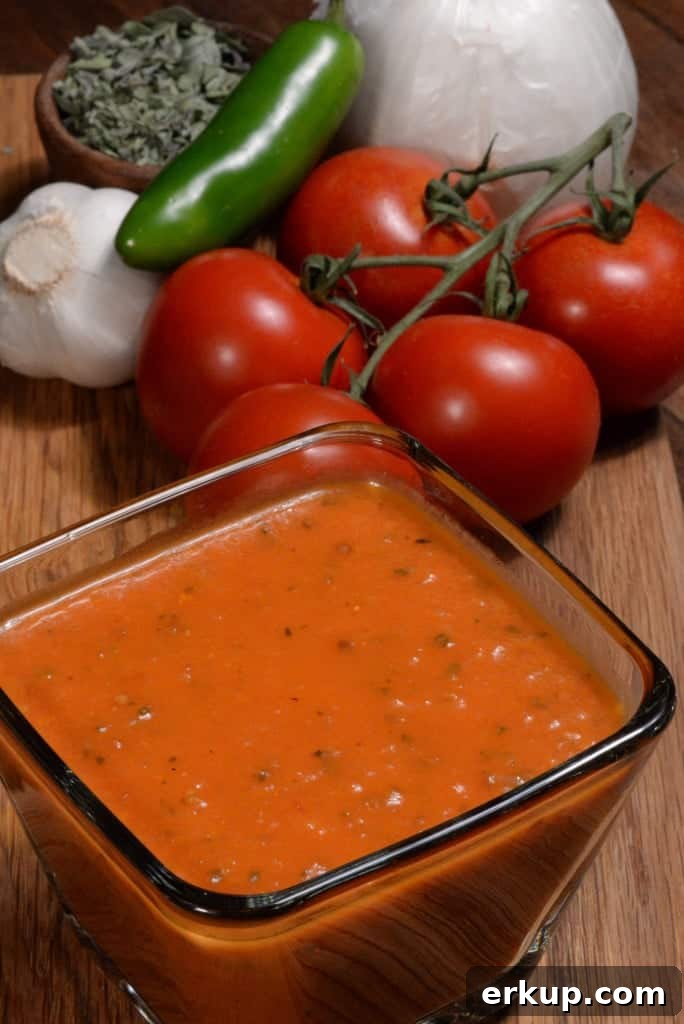
Served with Salsa Roja (red sauce)
Main
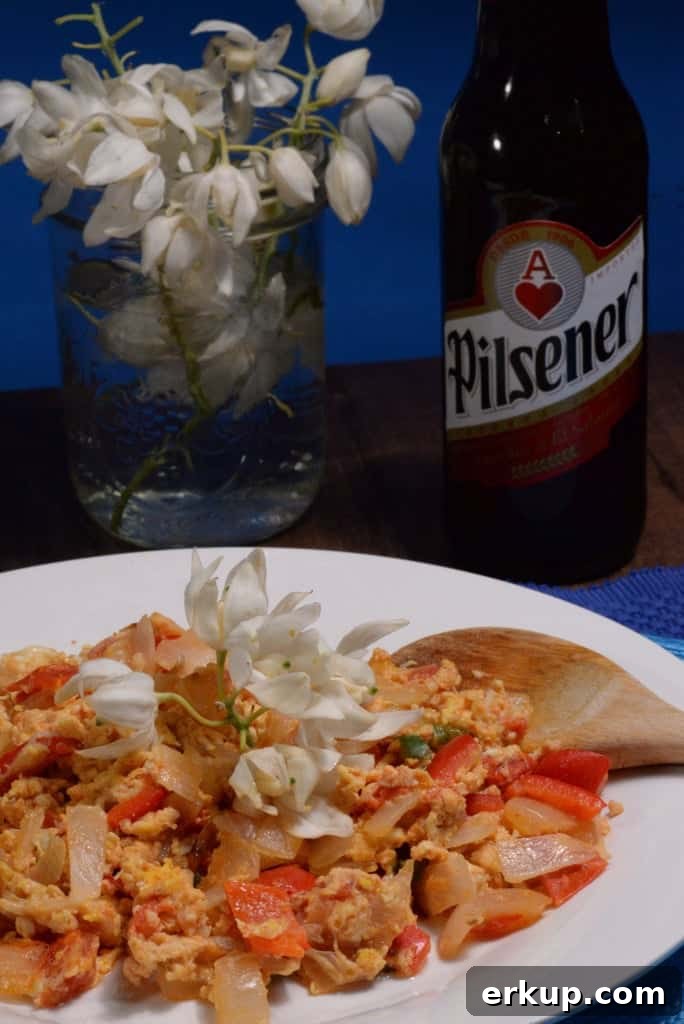
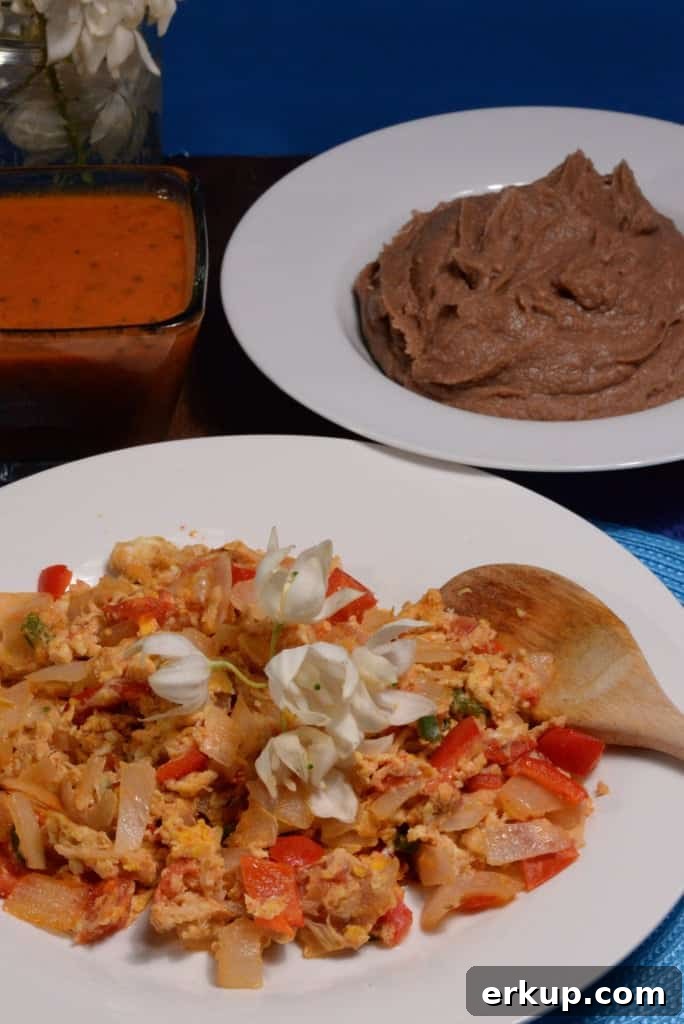
Izote con Huevos (yucca flowers with eggs)
Served with Salvadoran Frijoles Refritos (refried beans)
Dessert
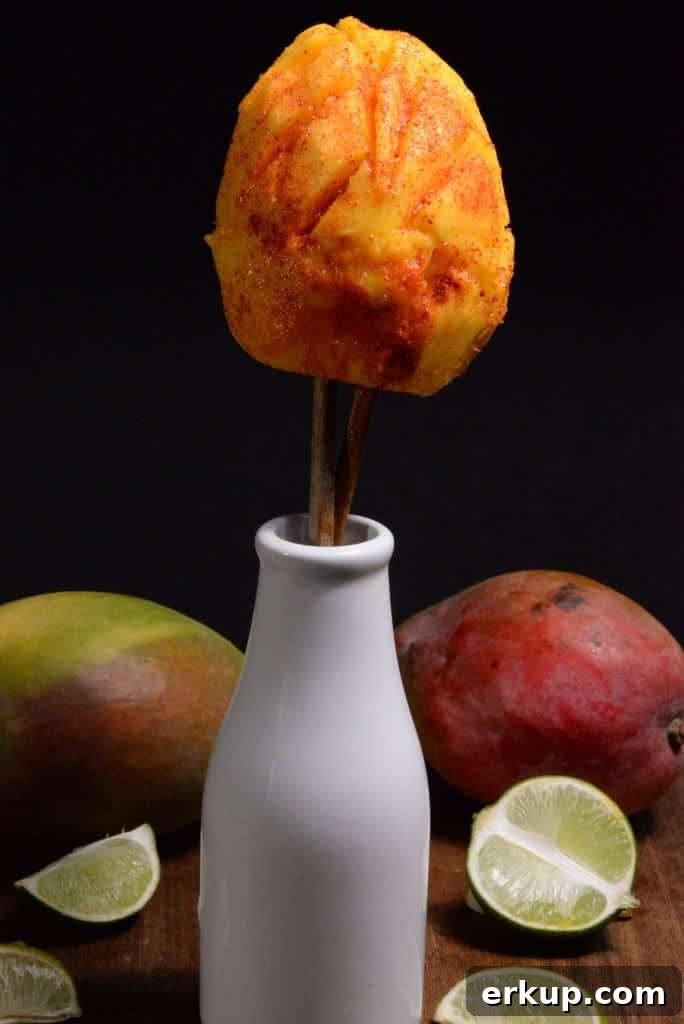
Mango con Chili y Lemon (fresh mango slices with chili and lime)
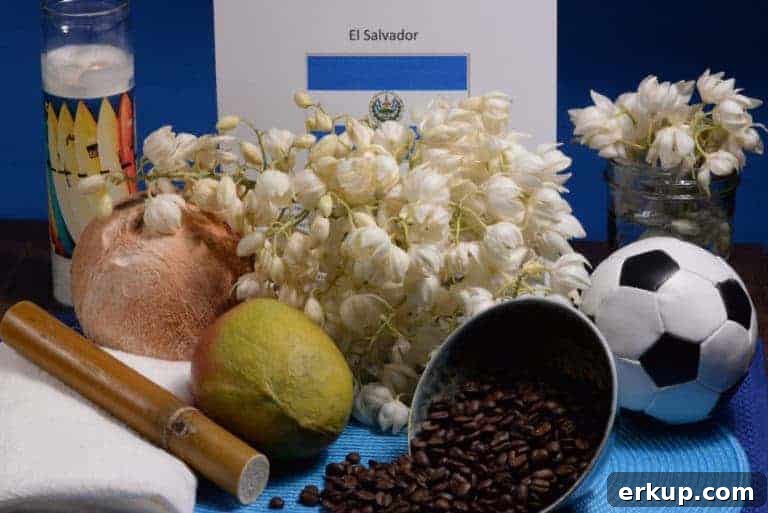
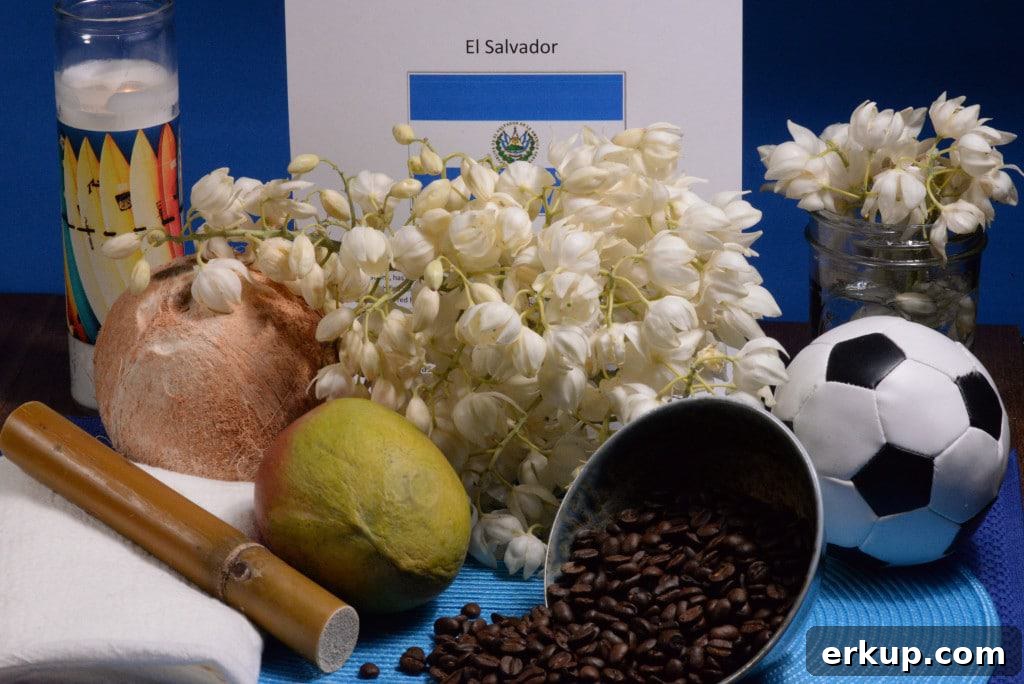
For our meal we used the colors of El Salvador’s flag—blue and white—and decorated with the izote flower, often called the “Lord’s candle” or Spanish bayonet. Coffee beans and sugarcane were included to honor the country’s agricultural heritage, and a soccer ball as a playful nod to national passion for the sport.
We began with a toast—”salud”—and wished each other “buen provecho” before digging into pupusas filled with Oaxaca cheese and locro (an edible flower). The curtido, vinegar-based cabbage slaw flavored with oregano, paired perfectly with a mild tomato salsa. For the main course, we prepared izote flowers with eggs: the cleaned petals, similar in texture to artichoke leaves, were gently boiled, then combined with eggs to create a delicate, savory dish best accompanied by rich refried beans.
For dessert we enjoyed mango on a stick, a popular street treat seasoned simply with chili powder, salt and a squeeze of lime. The combination of sweet, tangy and spicy made for a refreshing finish.
We close with a few Salvadoran proverbs to reflect the country’s resilient spirit: “He who takes on too much squeezes little,” “Say nothing about another that you wouldn’t want said about yourself,” and “It’s fitting that he who tried to steal yours loses his.” With hope for continued healing and progress, we say goodbye to El Salvador—for now—with gratitude and warm wishes.
Until next time,
Warmest regards,
Darlene