Today’s episode focuses on aging gracefully. While we can’t stop time, a balanced diet and regular movement can slow many age-related changes. In this episode I speak with Chris Rosenbloom, PhD, RDN, coauthor of Food & Fitness After 50, who shares practical tips for healthier aging: which superfoods to include, how to add strength training and “activity snacks” to your day, and simple ways to keep your body and brain resilient as you get older.
Click the PLAY button above to listen to the show.
Love the LHT podcast?
Subscribe on iTunes and post a review
Subscribe on Stitcher and post a review
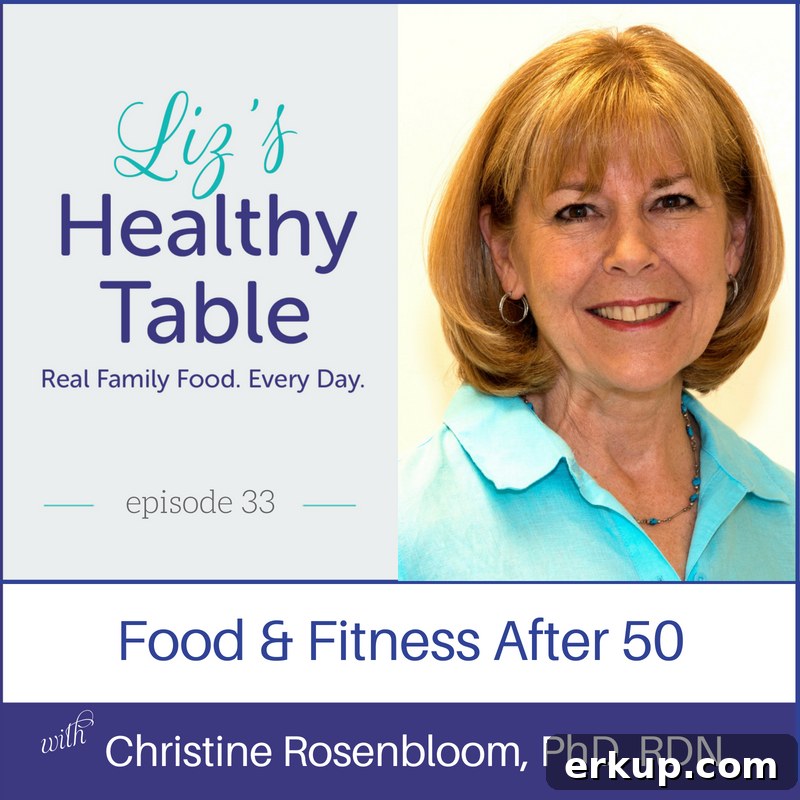
Dr. Chris Rosenbloom owns Chris Rosenbloom Food & Nutrition Services, offering nutrition consulting, writing, and media services. She has held academic and sports dietitian roles at institutions including Georgia State and Georgia Tech and has served on multiple boards. As the coauthor of Food & Fitness After 50, Chris is a trusted source on how food and movement support healthy aging.
“Nutrition and fitness go hand-in-hand to keep us fit as we get older.”
Chris Rosenbloom, PhD, RDN
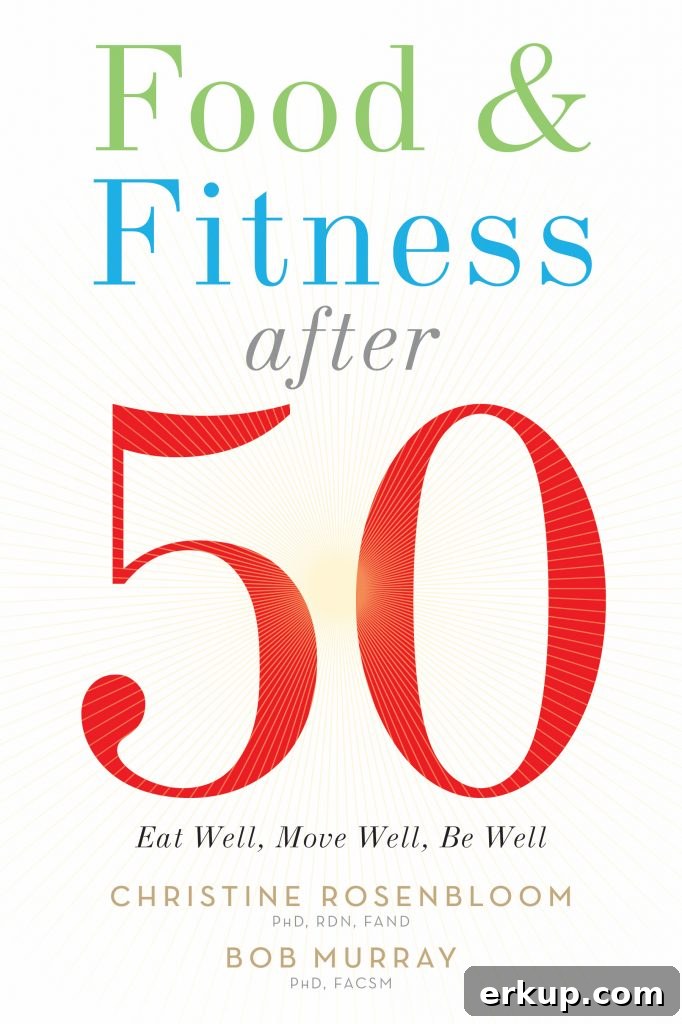
COOKBOOK GIVEAWAY: We’re giving away a copy of Food & Fitness After 50 by Christine Rosenbloom, PhD, RDN and Bob Murray, PhD (U.S. only). To enter, post a comment at the end of this post and tell us what you do to slow down Father Time: which foods you eat, your exercise routine, or why you’d like to win the book. Giveaway ends on August 8th. The winner will be chosen at random.
Show highlights
- We answer listener questions from the Podcast Posse Facebook group and discuss practical strategies listeners can try right away.
- Chris and I reminisce about how we met in the late 1980s while I was at CNN and share a few personal anecdotes, including a funny story about buying a house in Atlanta for $1.
- We explain what “functional fitness” means: being strong, balanced, agile, and coordinated enough to perform daily tasks well.
- Signs of aging often begin around age 40. While you can’t reverse chronological aging, you can slow physiological changes through nutrition and exercise.
- Normal aging includes loss of muscle mass and strength. Short, focused strength sessions — even 10–15 minutes twice a week — can make a meaningful difference, but strength training should be combined with other activities beyond walking and yoga.
- Since many older adults spend up to 85% of the day sitting, Chris recommends breaking up sedentary time with small bursts of movement—what she calls “activity snacks.”
- Strategies to avoid weight gain as metabolism slows:
- Prioritize strength training to support metabolic rate and muscle mass.
- Keep fats and carbohydrates but consider portion sizes and increase activity to balance energy intake.
- Make at least half your grain choices whole grains.
- Enjoy your food without being overly restrictive; sustainable habits matter most.
- Omega-3 fats support brain health, cognition, and muscle function. Healthy fats are important for both brain and body.
- Chris suggests weighing yourself regularly—daily weigh-ins can help you notice small changes early and make adjustments.
- The same nutrition and fitness principles apply through your 50s, 60s, and 70s: eat a variety of nutrient-dense foods, watch portion sizes, and tailor choices to your chronic disease risk.
- Chris’ favorite superfoods include salmon, tuna, walnuts, flaxseeds, and plenty of fresh fruits and vegetables—she especially loves watermelon.
- Diet patterns that work well for older adults include the Mediterranean, DASH, Flexitarian, and the MIND diet (a hybrid of Mediterranean and DASH approaches focused on brain health).
- Protein needs increase with age. Chris recommends aiming for roughly 30–40 grams of protein per meal and distributing intake evenly through the day.
- A simple daily protein estimate: body weight in pounds × 0.6 = grams of protein per day.
- Breakfast protein options beyond eggs: soy-based alternatives, protein powders, Greek yogurt, dairy or fortified plant milks, cottage cheese, nut butters, and whole nuts.
- For older adults, a targeted multivitamin formulated for their age group can be a helpful supplement when needed.
- Chris’ practical tips: choose nutrient-dense foods, avoid excess calories from drinks and alcohol, prioritize strength and balance work, and be consistent—there’s no “magic bullet” to reverse aging.
- Remember the ABCs of fitness: movements that improve agility, balance, and coordination are essential for independence and fall prevention.
- For dinner inspiration, Chris mentioned making a homemade margherita pizza with fresh tomatoes, basil, mozzarella, and a large salad—proof that healthy meals can be delicious and satisfying.
Links and contact
My email: [email protected]
Christine Rosenbloom’s website: chrisrosenbloom.com
Chris on social media: Twitter, Facebook, Instagram (links in the original post).
Book: Food & Fitness After 50 by Christine Rosenbloom, PhD, RDN.
Questions or show ideas? Post a comment below or join the Podcast Posse Facebook group to share suggestions and ask questions for future episodes.