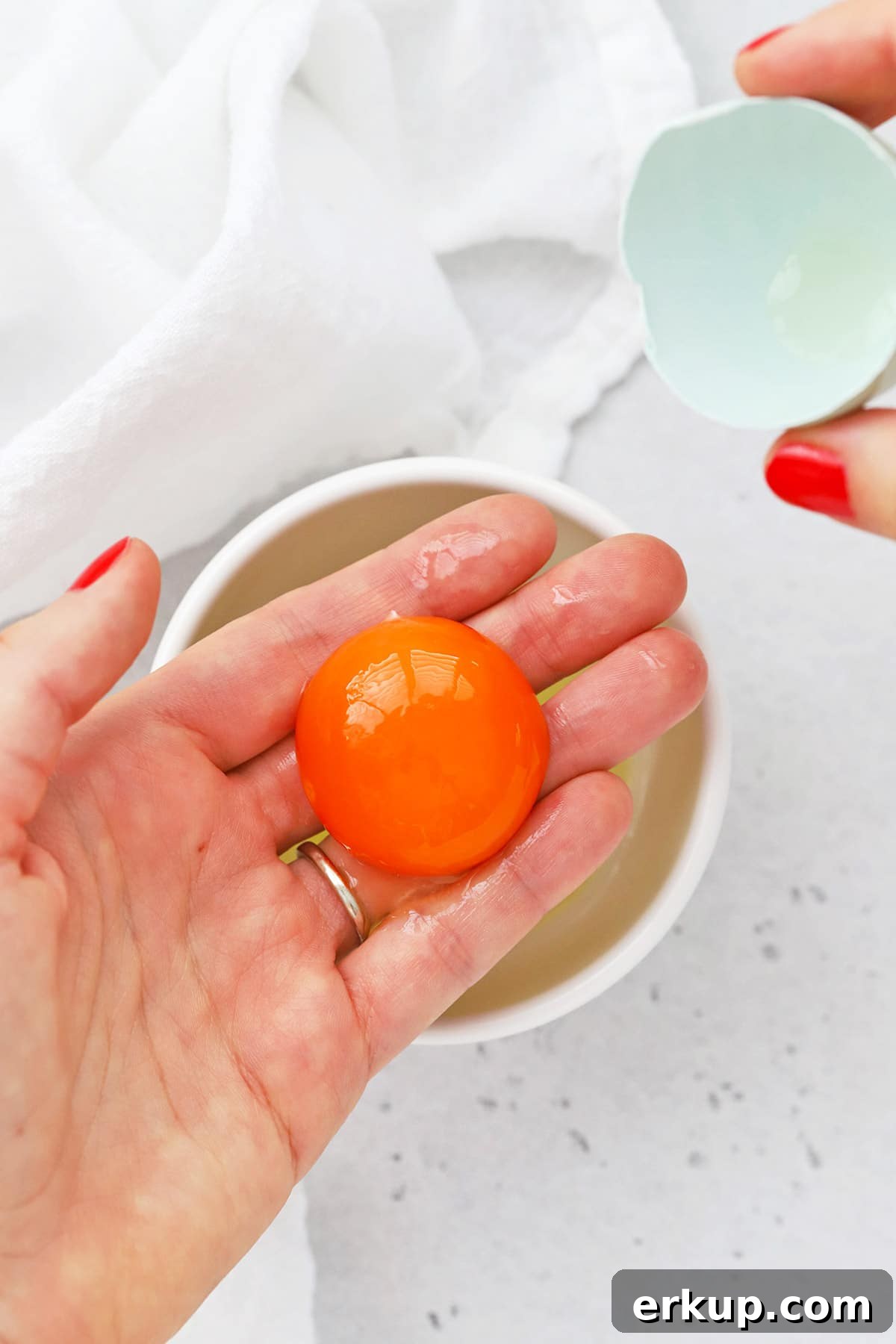
How to Separate Eggs – Learn three easy ways to separate egg whites and yolks for baking and cooking. Master these techniques and you’ll be ready to whip meringues, lighten batters, and improve the texture of cookies and other treats.
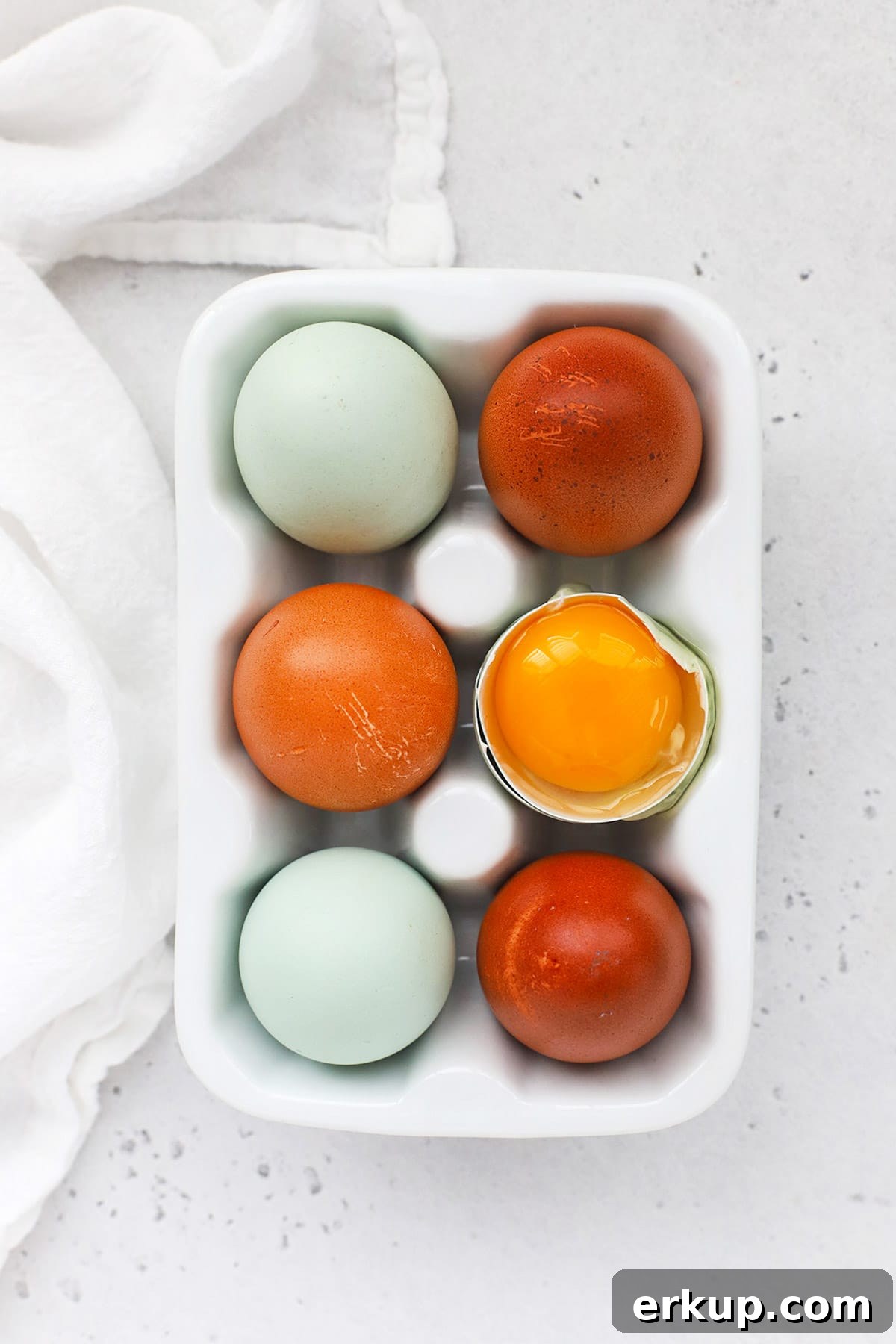
Welcome back to the Be A Better Baker series. In this post you’ll learn easy, reliable methods to separate eggs — a small skill that makes a big difference in many recipes. Whether you’re baking gluten-free, making custards, or whipping egg whites for meringue, separating the yolk from the white correctly helps you get the best texture and rise.
If separating eggs feels intimidating, don’t worry — these three simple techniques will make it easy. I’ll cover separating eggs with a gadget, with your hand, and with the shell, plus common troubleshooting tips so you feel confident in the kitchen.
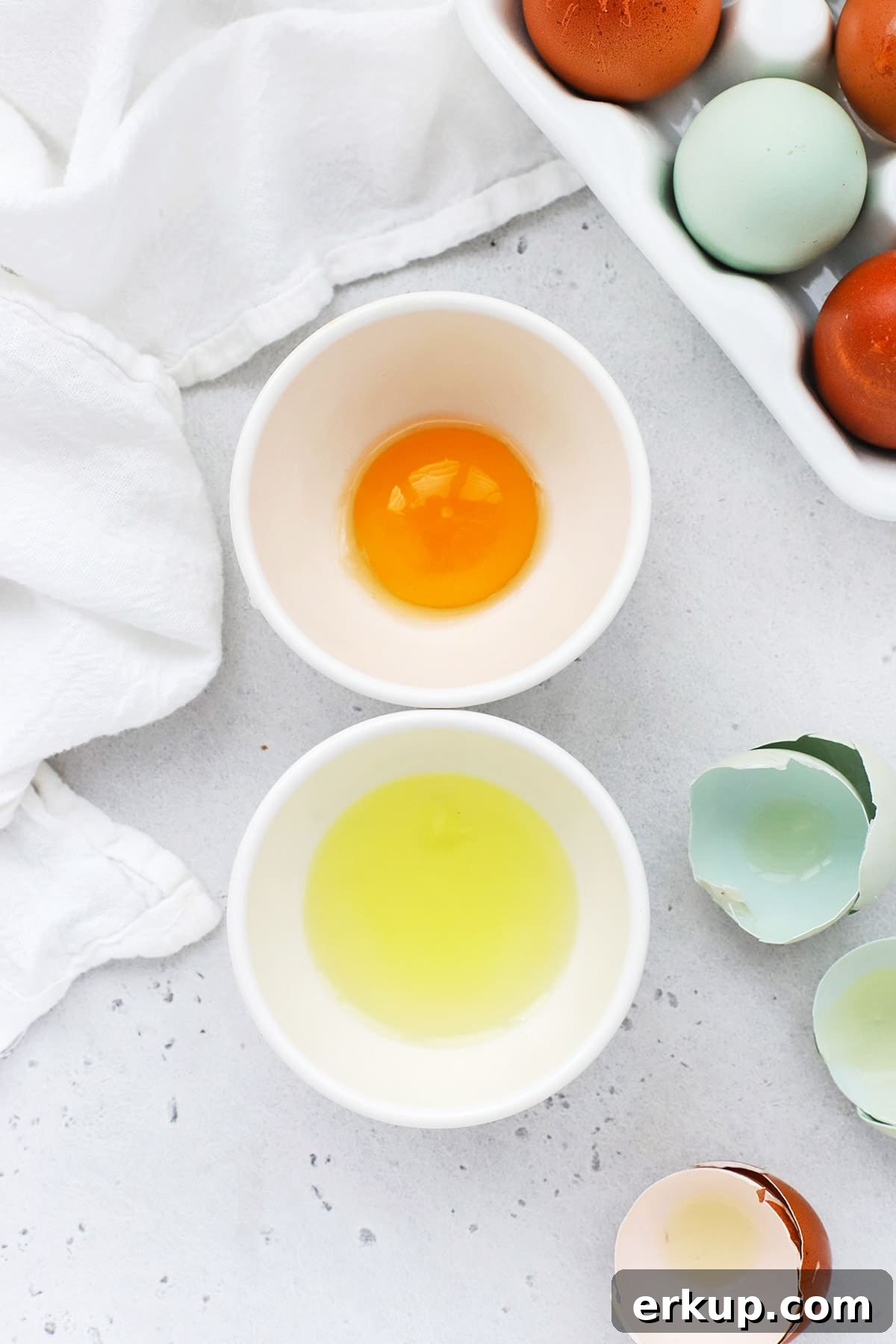
First: What Is Separating Eggs?
Separating eggs means removing the egg yolk (the yellow part) from the egg white (the clear, viscous part). Bakers separate eggs because yolks and whites have different properties: yolks add richness and emulsification, while whites provide structure and lift when whipped. For easier separation, use cold eggs — they hold together better and the yolk is less likely to break.
Why Do You Separate Eggs?
Recipes ask for separated eggs when the yolks and whites are used for different purposes or when only one part is needed. Common reasons include:
- Whipping egg whites for meringues, angel food cake, macarons, or to lighten batters. Properly separated, egg whites can be whipped to soft or stiff peaks to add volume and air.
- Adding extra yolks to cookies or brownies to increase chewiness and moisture.
- Thickening sauces or custards like hollandaise or pastry cream using egg yolks for richness and body.
- Lightening batter by folding whipped whites into yolk-based batter for waffles or cakes, which creates a lighter texture.
- Controlling color in white cakes by using whites only.
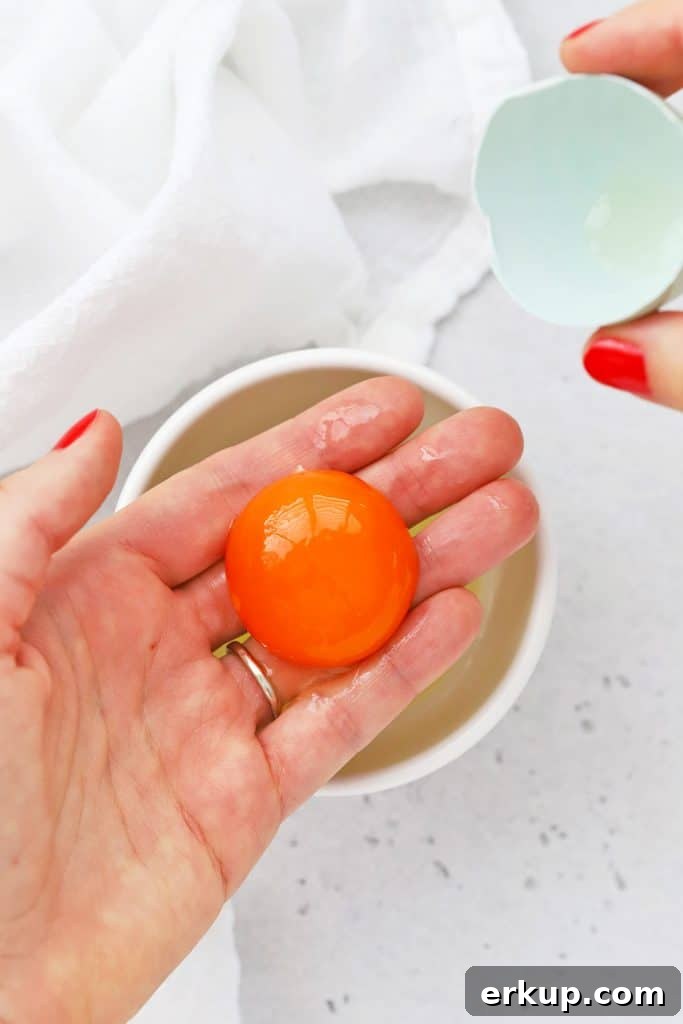
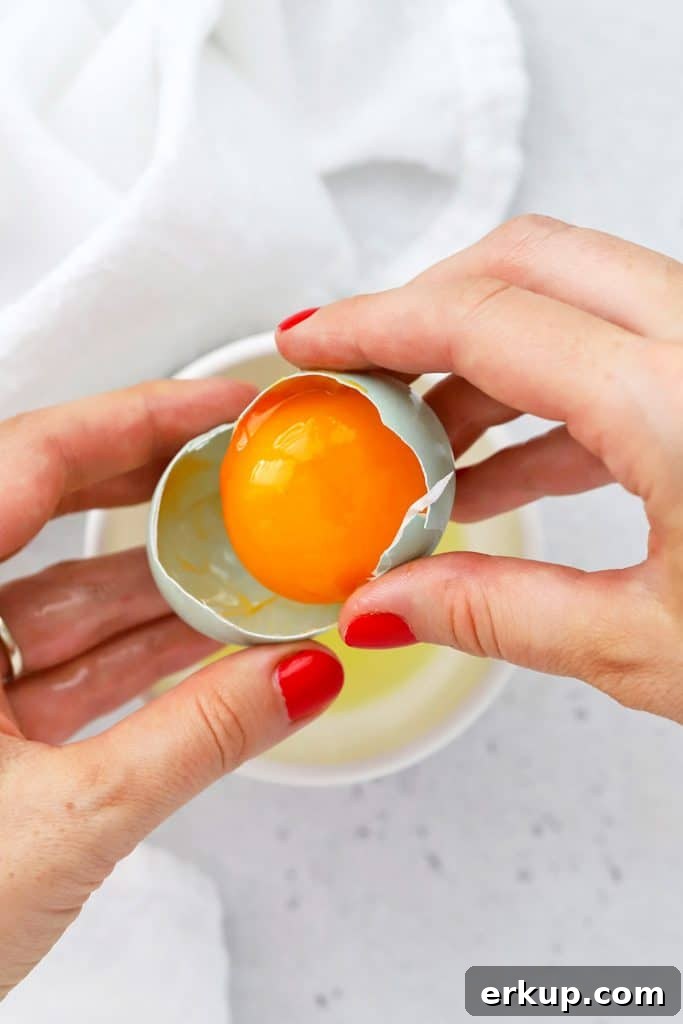
3 Easy Ways To Separate Eggs
Here are three reliable methods I reach for regularly. Choose the one that feels most comfortable for you.
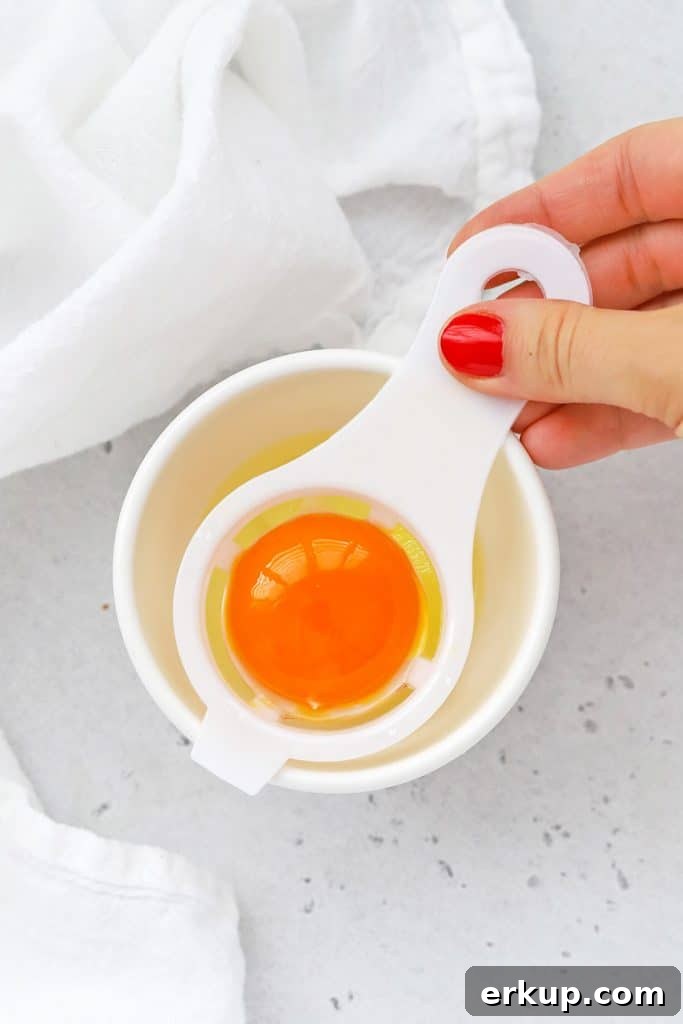
- Separating Eggs With An Egg Separator – great for beginners and quick work
- Separating Eggs With Your Hands – fast and intuitive if you don’t mind getting your hands a bit messy
- Separating Eggs With The Egg Shell – my favorite for speed and control without extra tools
Below are step-by-step instructions for each technique and a few extra tips to help you avoid common mistakes.
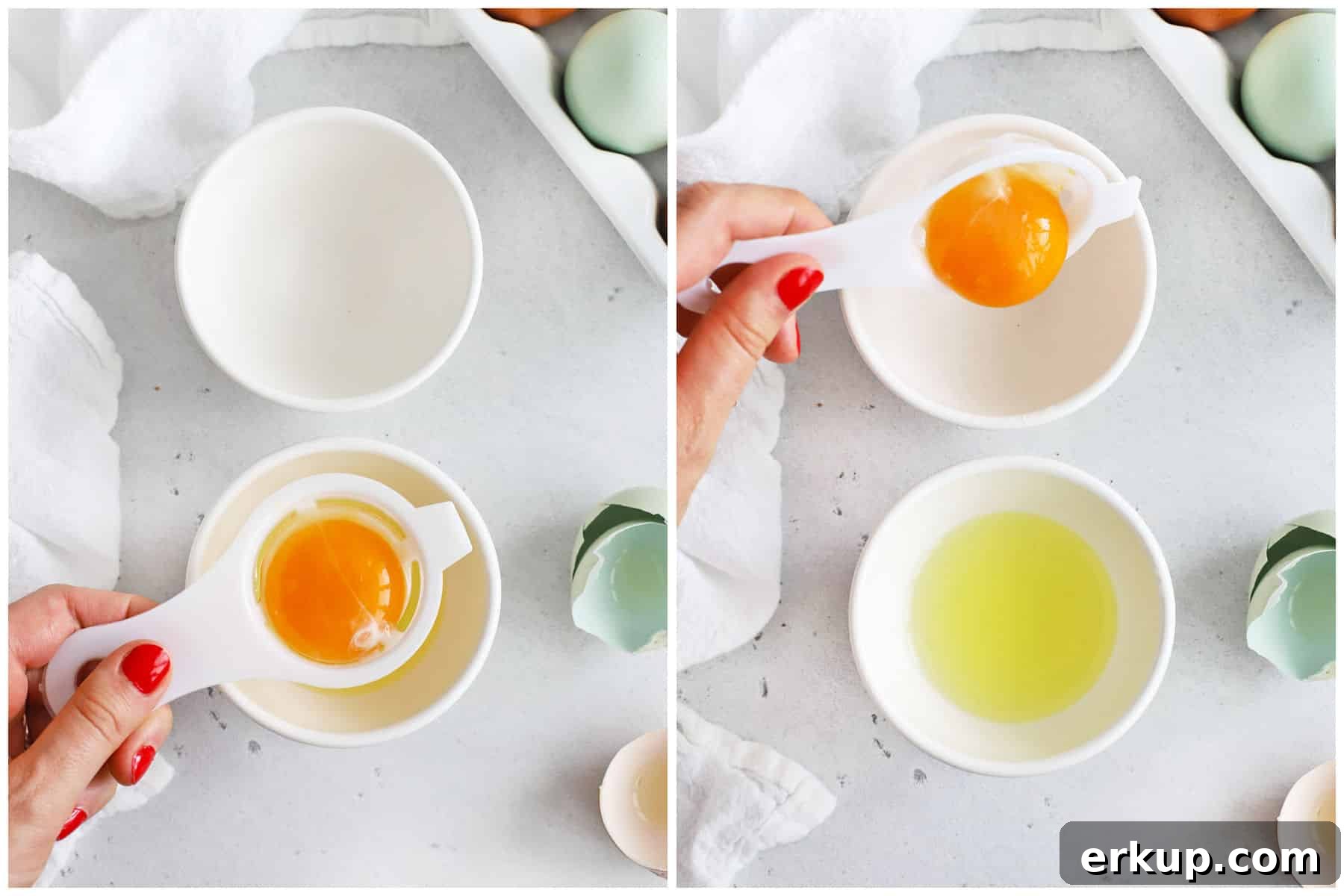
How To Separate Eggs Using An Egg Separator
An egg separator is the simplest option for beginners. It acts like a small strainer that holds the yolk while the white drips through. Follow these steps:
- Prepare two bowls. One for whites and one for yolks.
- Place the separator over the bowl for whites.
- Crack the egg and pour it into the separator. The white will drip into the bowl below while the yolk remains in the separator.
- Transfer the yolk to the yolk bowl and continue with additional eggs as needed.
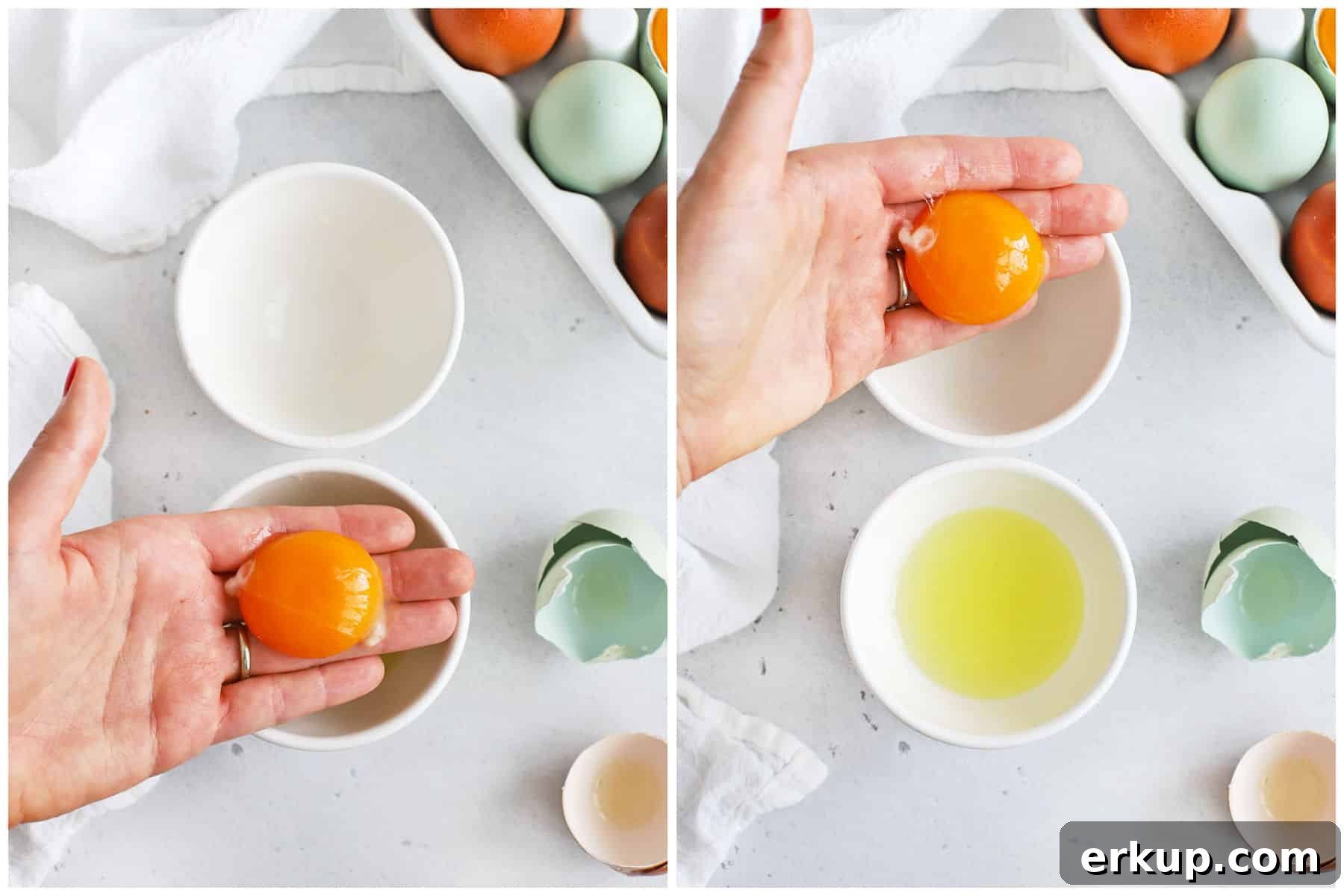
How To Separate Eggs Using Your Hands
If you don’t want a tool, your hand works very well and gives you great control. Some people prefer this method because it’s fast and they can feel if the yolk is intact.
- Set out two bowls. One for whites, one for yolks.
- Crack the egg into your hand held above the bowl for whites.
- Let the white drip through slightly spread fingers while you cradle the yolk in your palm.
- Drop the yolk into the yolk bowl and repeat for additional eggs.
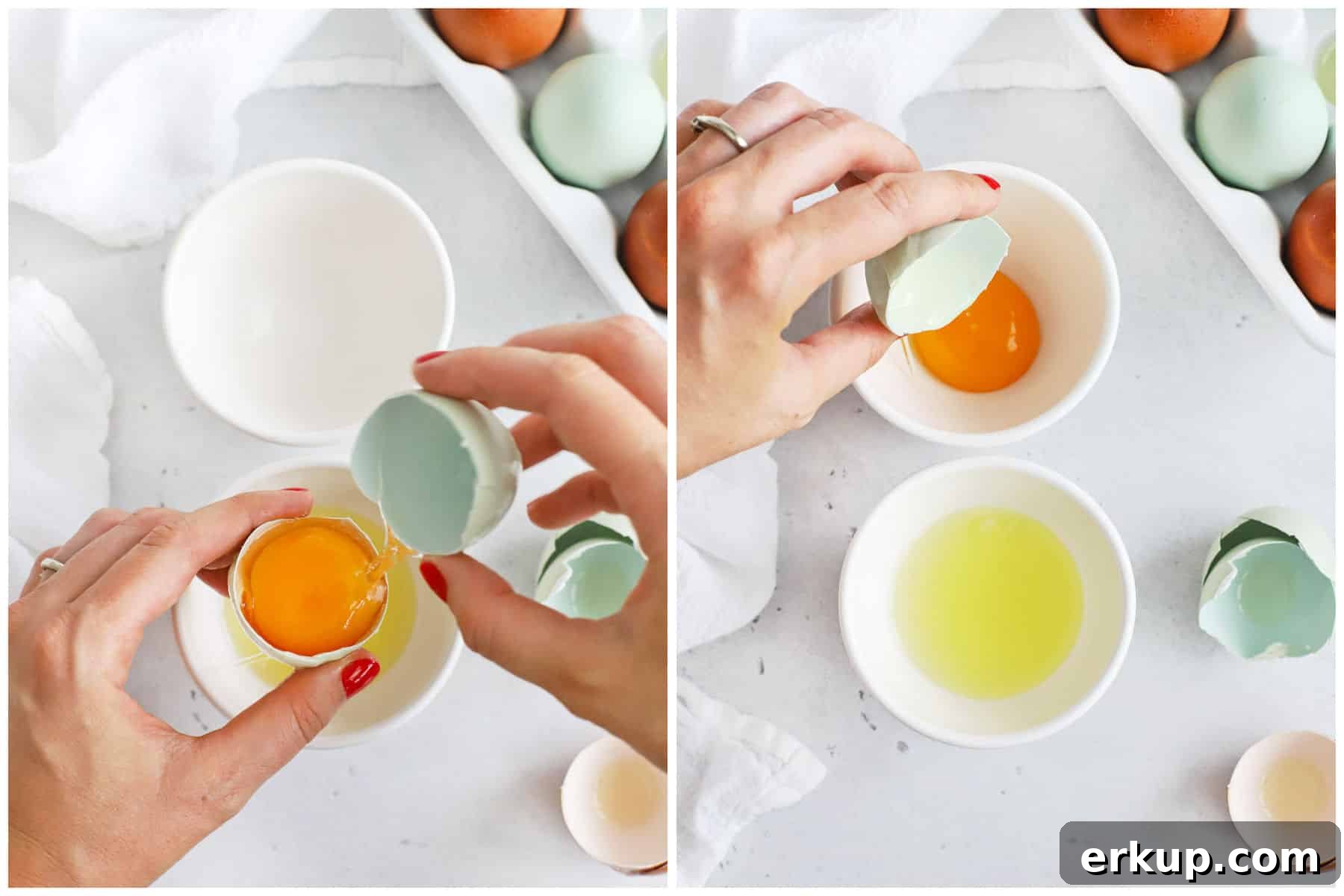
How To Separate Eggs Using The Egg Shell (My Favorite)
Using the two halves of the broken shell is a classic technique and my go-to when I want to keep my hands clean. With a firm crack and steady motion, you can move yolks between the shell halves while letting the whites fall away.
- Set out two bowls. One for whites and one for yolks.
- Crack the egg cleanly on the edge of a bowl or counter, open it into two halves.
- Use the shell halves to hold the yolk while tipping the white into the whites bowl.
- Pass the yolk back and forth between the shell halves to remove remaining white, then place the yolk in the yolk bowl.
FAQ + Tips and Tricks For Separating Eggs
I got a little yolk in my egg whites. What should I do?
If you plan to whip the whites, any yolk contamination can prevent them from reaching full volume. When fats from yolk get into the whites, they won’t whip properly and you’ll need to start over with fresh whites. If whipping isn’t required, you can still use the mixture in recipes like scrambled eggs or simple omelets.
Is it okay if some egg white gets mixed with the yolks?
A small amount of white in the yolks is usually fine for most recipes. Strain out what you can, but unless you’re making a delicate custard or a specific recipe that requires pure yolks, you can often continue without starting over. For high-end baked goods that depend on precise texture, you may prefer to separate again.
What can you make with leftover egg whites?
Leftover egg whites are versatile: whip them for meringue, pavlova, or to fold into batter for extra lift. You can also freeze egg whites for later use. Label and date any frozen portions before storing.
What can you make with leftover egg yolks?
Egg yolks are perfect for custards, puddings, ice cream bases, and rich sauces, or for enriching scrambled eggs and other dishes. You can freeze yolks too, though some recipes suggest adding a small amount of sugar or salt to keep the texture stable if you plan to freeze them long-term.
How long do separated eggs stay fresh?
- Egg whites: Generally stay fresh in the refrigerator for 2–4 days when stored in a covered container.
- Egg yolks: Also keep for about 2–4 days refrigerated when stored properly. If you need to keep either longer, consider freezing.
More Easy Baking Tips To Try
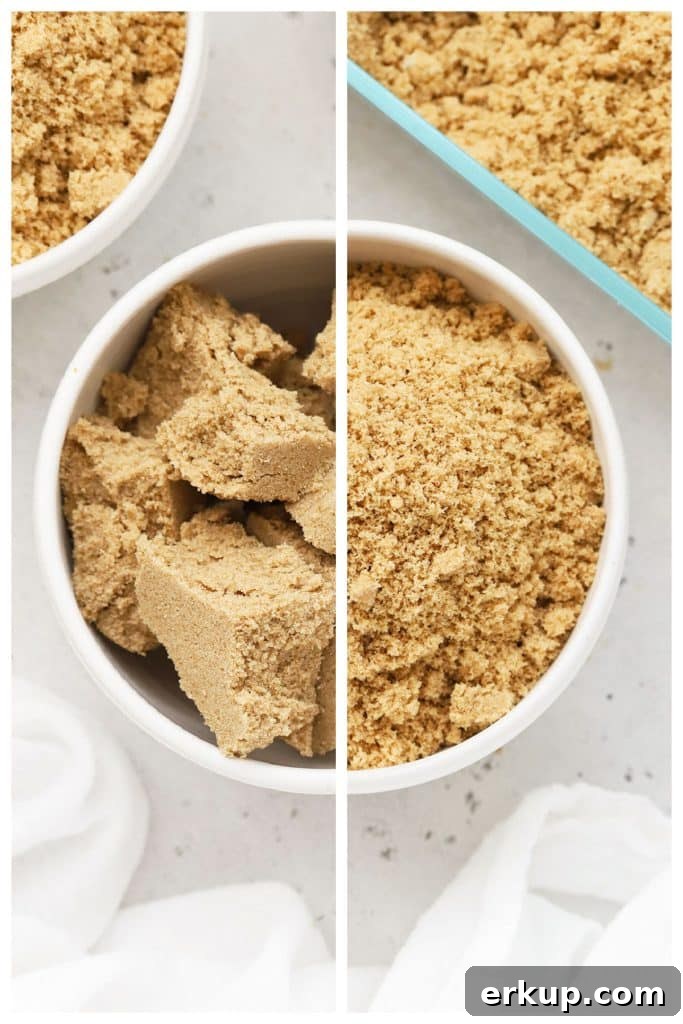
How to Soften Brown Sugar (5 Ways!)
How to Get Eggs To Room Temperature FAST
How to Brown Butter (Step By Step!)