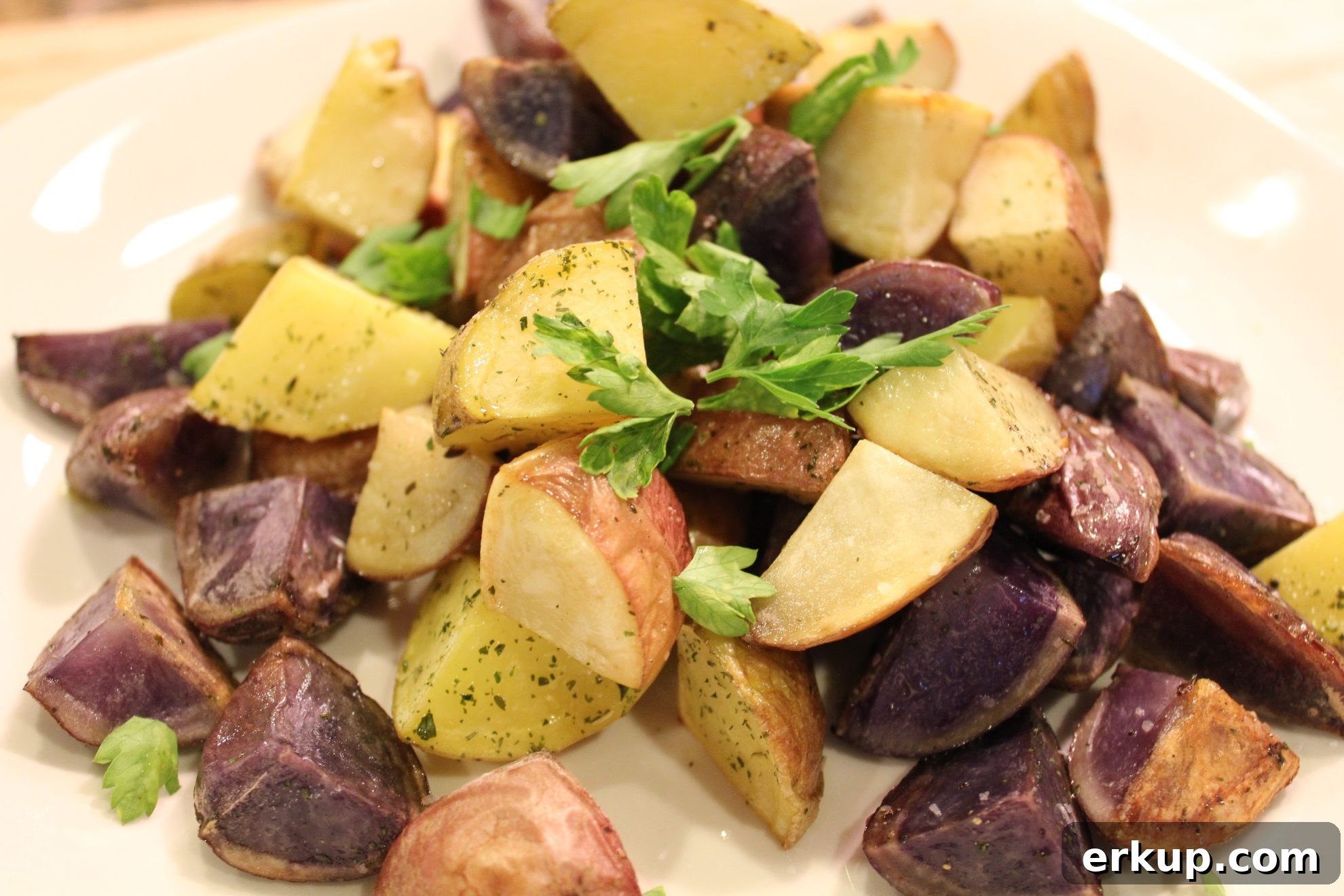
If you have picky eaters at home or simply want a reliable way to bring out the best flavor and texture in vegetables, try roasting them. Roasting concentrates natural sugars, adds caramelized edges and creates a pleasing crunch without complicated techniques. This method works for a wide range of vegetables — from broccoli and cauliflower to potatoes and kale — and is especially useful when you want a simple, family-friendly side dish that most people enjoy.
Roasting your vegetables is straightforward and flexible. The basic approach is to cut vegetables into even pieces, toss them lightly with olive oil and seasonings, and spread them out on a baking sheet so they brown evenly. Below you’ll find an easy, adaptable recipe plus a number of tips, serving ideas and variations to help you get consistent results.
Oven Roasted Vegetables: Roasted Potatoes and Cauliflower & Kale
ingredients
- Assorted vegetables, chopped into bite-size or larger pieces (broccoli, cauliflower, kale, potatoes, carrots, Brussels sprouts, etc.)
- Olive oil (just a light drizzle — a little goes a long way)
- Salt to taste
- Coarsely ground black pepper
- 2 cloves garlic, crushed or pressed (optional for extra flavor)
- About 1/2 tsp. each of dried oregano, parsley, basil and rosemary, or use any dried herbs you have on hand (optional)
directions
1. Preheat the oven to 400°F (205°C). A hot oven encourages browning and crisp edges.
2. Wash and thoroughly dry your vegetables. Moisture prevents proper roasting, so make sure they are as dry as possible before seasoning.
3. Cut the vegetables into pieces that are as uniform as you can manage so they cook evenly. Place them in a large bowl.
4. Drizzle with a small amount of olive oil, sprinkle with salt and pepper, add crushed garlic if using, and toss until the pieces are lightly coated. Add dried herbs if desired.
5. Spread the vegetables in a single layer on a rimmed baking sheet. Crowding the pan can cause steaming instead of roasting, so use two pans if needed.
6. Roast in the preheated oven for roughly 15–30 minutes, depending on the vegetable and cut size. Softer vegetables and smaller pieces will finish sooner; dense root vegetables like potatoes may need a longer time. Turn or shake the pan once or twice so the pieces brown evenly.
7. If vegetables are browning too quickly before becoming tender, lower the oven temperature slightly (to 350–375°F) and continue cooking until done. Remove when edges are golden and the centers are cooked through.
8. Serve hot, warm, or at room temperature. Roasted vegetables are versatile — serve them as a side, toss them into salads, or mix them into pasta, grain bowls, or omelets.
tips for perfect roasted vegetables
- Cut vegetables into even sizes so everything finishes at the same time.
- Don’t overdo the oil — a light coating helps with browning without making vegetables greasy.
- Give each piece room on the pan; crowded vegetables steam instead of roast.
- Flip or stir once during roasting for more even color and texture.
- Adjust seasoning after roasting — a squeeze of lemon, a sprinkle of flaky sea salt, or a dusting of grated Parmesan can brighten the finished dish.
variations and serving ideas
Experiment with different vegetables and herb combinations. Try a Mediterranean mix with oregano and basil, a garlic-herb blend with parsley and rosemary, or a simple salt-and-pepper approach to let the vegetable flavors shine. Roasted vegetables are great tossed with grains like quinoa or farro, folded into pasta, piled onto pizzas, or served alongside roasted proteins.
leftovers and storage
Allow roasted vegetables to cool before transferring to an airtight container. Store in the refrigerator and use within a few days. Reheat gently in the oven or enjoy cold as part of a salad or grain bowl.
Roasting is an easy, dependable way to make vegetables appealing, even for kids who might otherwise avoid them. With minimal seasoning and just a bit of heat, you’ll bring out rich, savory flavors and create a satisfying texture that works for many meals.