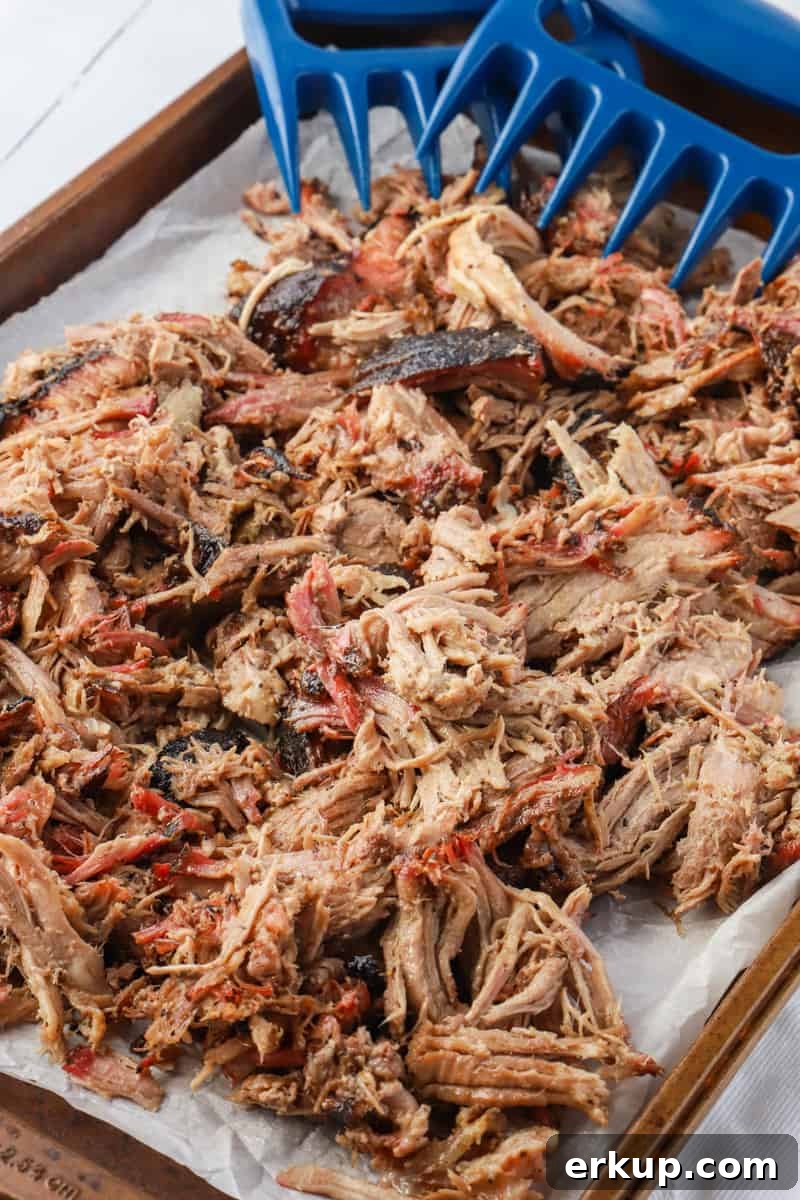
This Smoked Pork Butt (also known as Smoked Pork Shoulder) is incredible. After a long day tending the smoker, the reward is a tender, flavorful pork butt that makes an unforgettable meal.
It’s a perfect recipe for a gathering or party — almost everyone loves a great pulled pork sandwich.
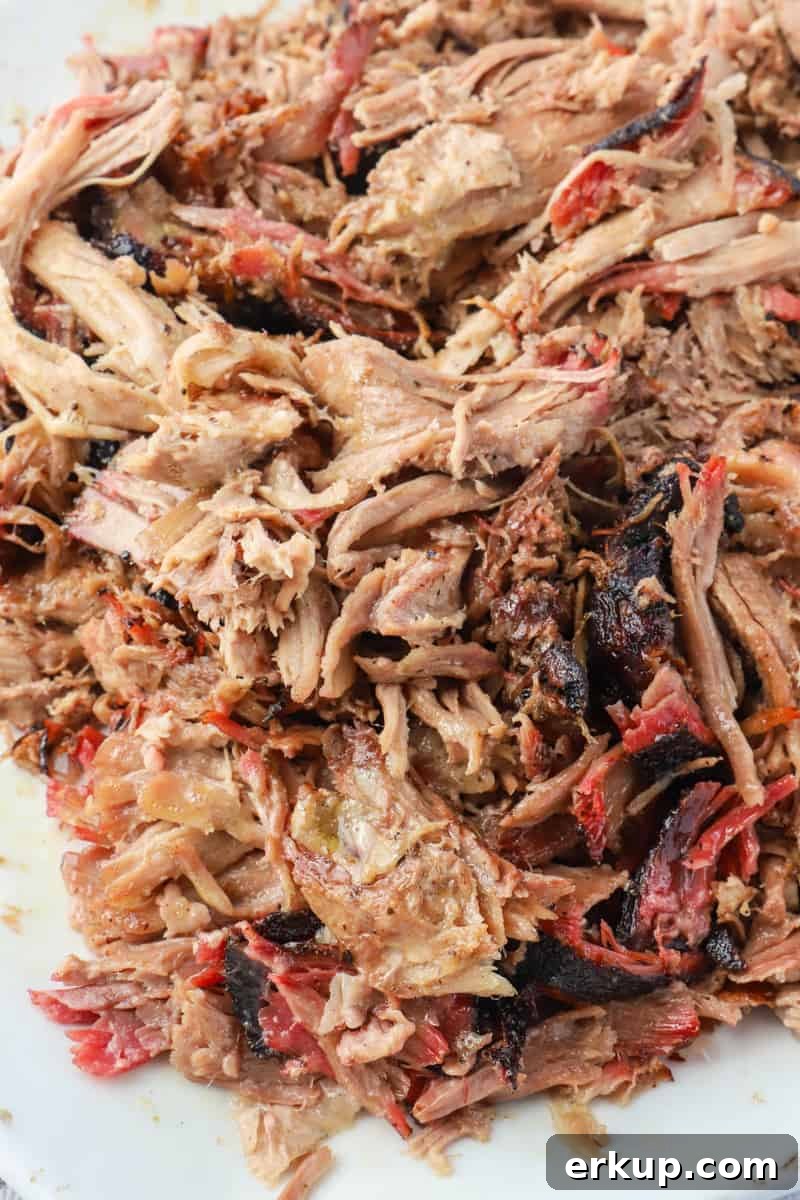
We finally got a smoker this summer, and we’ve been smoking everything: pulled pork, ribs, chicken and brisket. I’m excited to share the first recipe in our Smoked Series — a classic Smoked Pork Butt that’s simple to prepare and full of barbecue flavor.
What is the difference between Pork Butt and Shoulder?
Those names can be confusing. Pork butt, pork shoulder and Boston butt all refer to the same general cut: the upper portion of the hog’s front leg and shoulder area. They can be sold bone-in or boneless. I prefer a bone-in pork butt because it keeps a nice shape while smoking and can add flavor as it cooks. Note that this is not the ham — the ham comes from the rear leg — but the shoulder and upper chest area.
Picking the right Pork Butt (Shoulder)
Pork lacks the grading tags you see on beef, so look for a good butcher or grocery with a steady supply of shoulders. Whether you buy from a supermarket, butcher or club store, the best indicator of quality is marbling: thin streaks of fat running through the meat. That internal fat melts during low-and-slow smoking and delivers tender texture and rich flavor.
How to make the Perfect Smoked Pork Butt
Smoking takes patience and a few techniques learned over time. I learned much of my approach working with a local pitmaster and from running a restaurant, and I use a simple homemade rub that creates great bark and deep flavor.
Ingredient Notes
- Pork Butt, bone-in — 7–9 lb is a good size for feeding a crowd (this recipe uses an 8 lb butt).
- Cumin — 1/2 tsp
- Smoked Paprika — amount to taste
- Onion Powder — 1 tsp
- Garlic Salt — 2 tsp
- Coarse Black Pepper — 2 tsp
- Red Cayenne Pepper — 1 tsp (optional, adjust for heat)
- Kosher Salt — 1/4 cup
- Brown Sugar — 1/2 cup
Directions
Step One — Trim: Trim the fat cap to about 1/4–1/2 inch. Too much fat can render into an unappealing greasy layer, and trimming helps promote a good bark on the exposed meat.
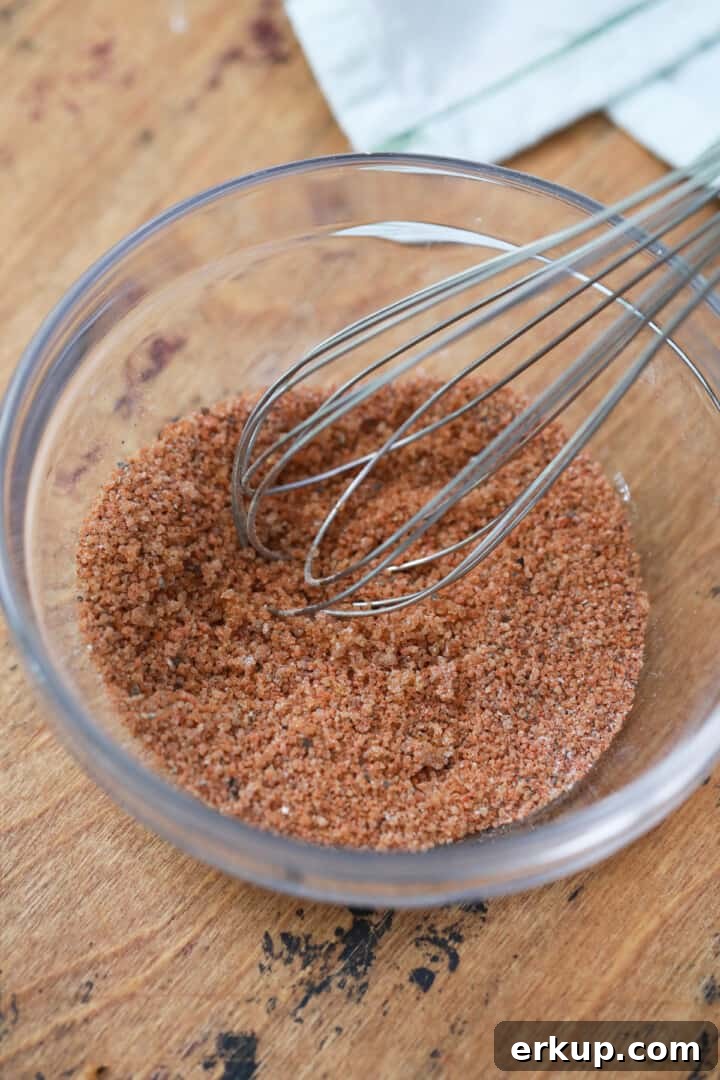
Step Two — Make the rub: Combine the dry ingredients listed above to create a balanced rub of sweet, savory and smoky flavors.
Step Three — Season: Rub the seasoning thoroughly into the meat, covering all sides and working the rub into any crevices. Let the pork rest for about 30 minutes so the rub adheres.
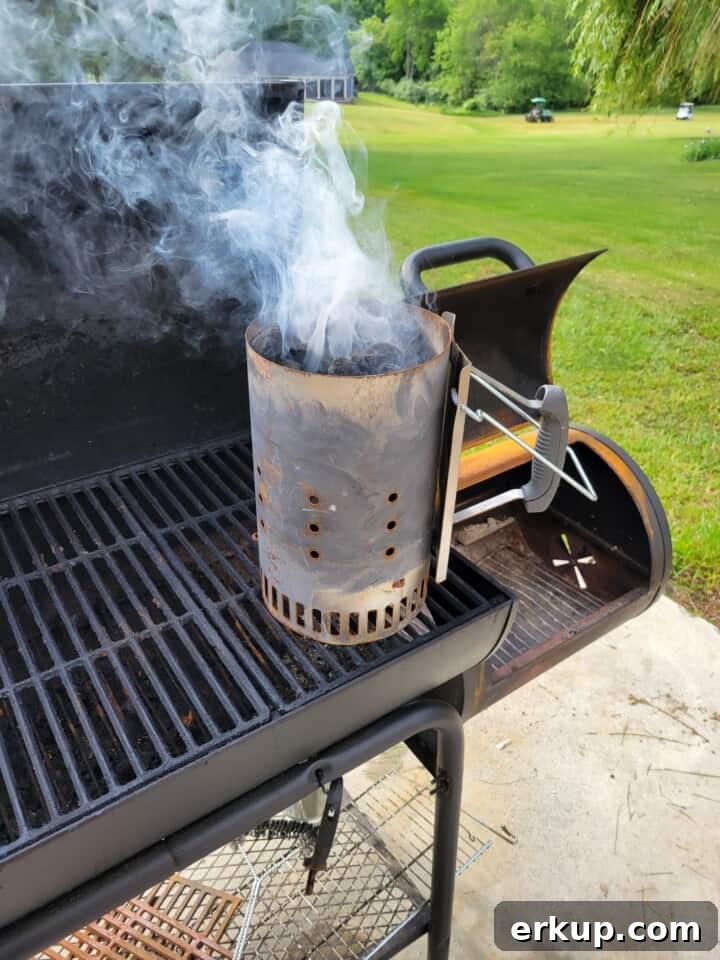
Step Four — Heat the smoker: Bring your smoker to a steady 225°F. I usually start with lump charcoal and arrange my coals toward the back of the heat source. Warm your wood before adding it to avoid harsh white smoke; gently warmed wood placed near the coals produces a clean, flavorful smoke.
Step Five — Smoke: Place the pork on the smoker and insert a reliable meat thermometer. Close the lid and resist opening it for at least four hours — steady heat and smoke are essential for forming bark and penetrating flavor.
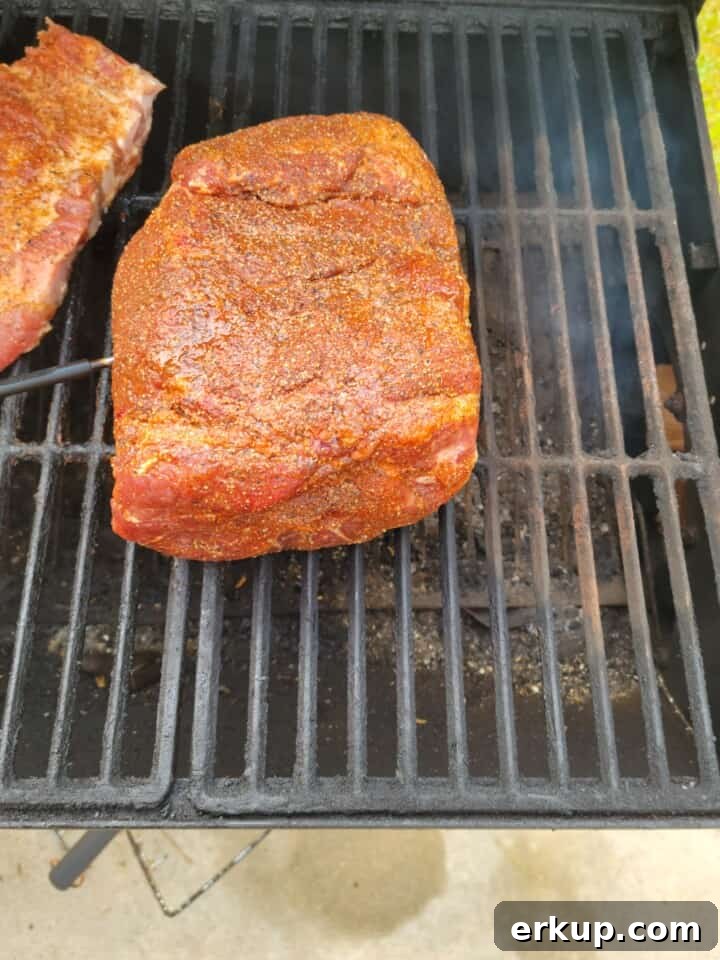
Step Six — Wrap: After about four hours, when the internal temperature reaches roughly 150–170°F and the surface has developed color, move the pork off direct heat and wrap it tightly in aluminum foil or butcher paper. Wrapping helps the meat power through the stall and retain moisture.
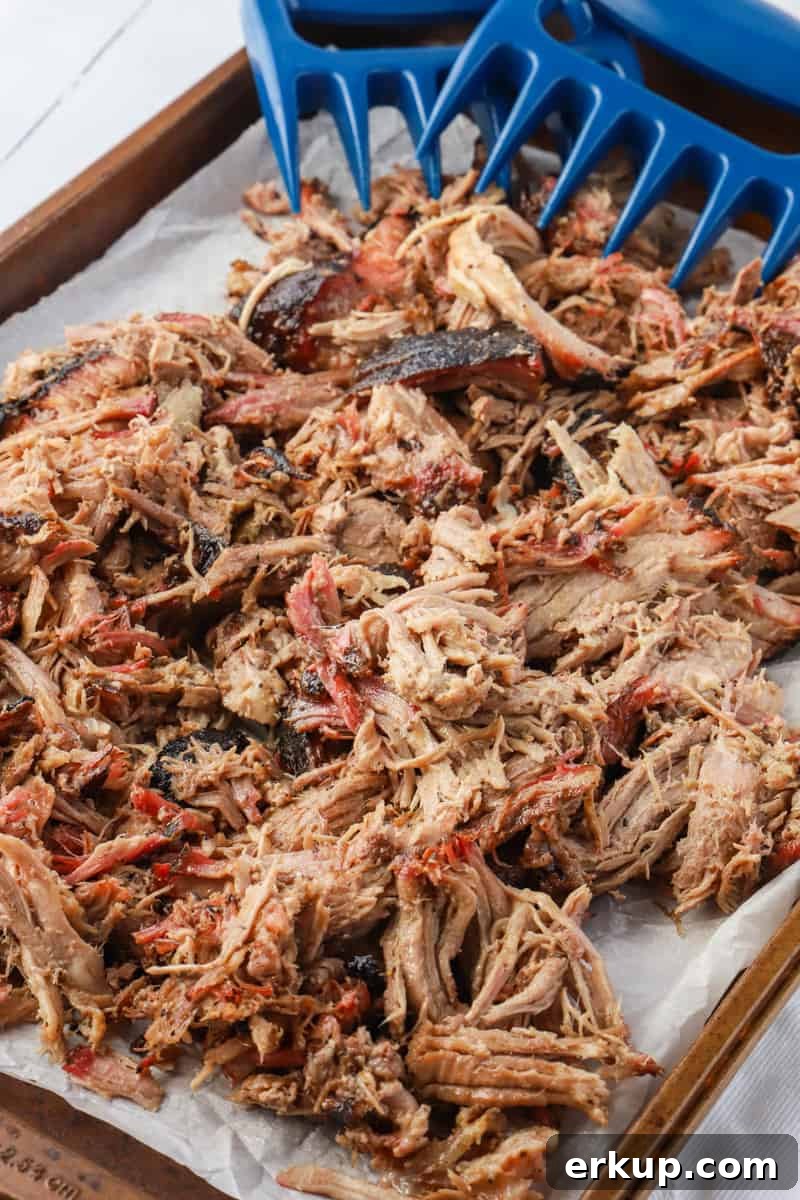
Step Seven — Finish and rest: Return the wrapped pork to the smoker for another 3–4 hours. An 8 lb butt typically finishes around eight hours total. Pull the pork when the internal temperature is between 190–205°F, then let it rest for 30–60 minutes before shredding. Resting allows the juices to redistribute and keeps the meat moist.
Should I spritz my pork?
Yes — before wrapping, spritz the meat with a 50/50 mix of apple cider vinegar and apple juice. The spritz adds flavor, helps the rub penetrate and creates a bit of steam inside the wrap that keeps the pork juicy.
What is the Stall?
The stall is a normal part of smoking when the meat’s internal temperature plateaus — often around 165°F — because surface moisture evaporates and cools the meat. Wrapping helps shorten the stall by trapping heat and moisture. Stay patient and keep the thermometer close; when the stall ends the temperature will climb toward your target finish range.
Can you freeze Smoked Pulled Pork?
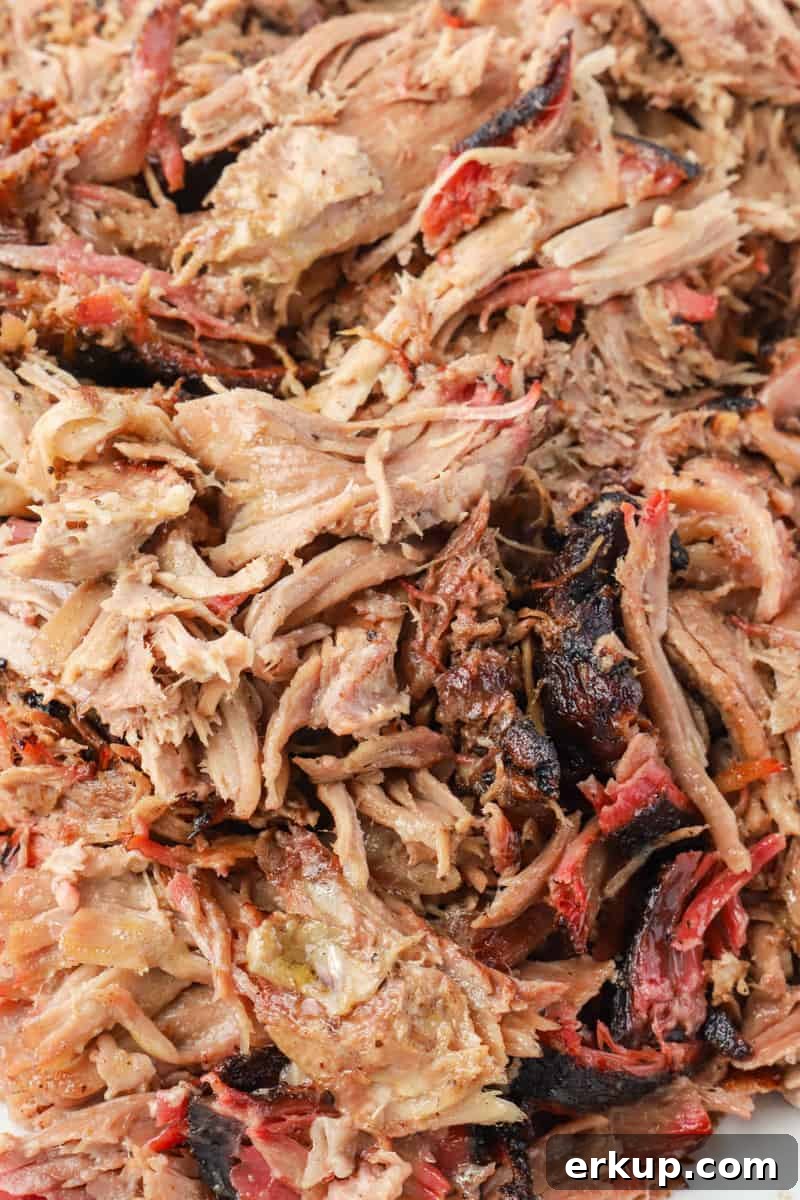
Yes. Cool the pulled pork quickly before freezing: spread it on a tray to chill faster, then place cooled pork in freezer-safe bags, removing as much air as possible. Properly stored, pulled pork keeps well in the freezer for several weeks.
Recipe Summary
Smoked Pork Butt
Ingredients
- 8 lb Pork Butt (bone-in)
- 1/2 tsp Cumin
- 1 tsp Onion Powder
- 2 tsp Garlic Salt
- 2 tsp Coarse Black Pepper
- 1 tsp Red Cayenne Pepper (optional)
- 1/4 cup Kosher Salt
- 1/2 cup Brown Sugar
- Smoked Paprika to taste
Instructions
- Trim the fat cap to about 1/4–1/2 inch.
- Mix the dry ingredients to create your rub.
- Rub the pork thoroughly and let it rest about 30 minutes.
- Preheat the smoker to 225°F and add warmed wood for smoke.
- Place the pork on the smoker, insert a thermometer, and do not open the lid for at least four hours.
- When the internal temp reaches about 150–170°F, wrap the pork in foil or butcher paper and continue cooking.
- Cook until the internal temperature is 190–205°F, then rest 30–60 minutes before shredding.
Notes
- Trim the fat cap to help develop a good bark and avoid excessive greasiness.
- A dry rub works well; some people use mustard as a binder before applying rub, but it is optional.
- Wrap when the pork reaches roughly 150–170°F to move through the stall more quickly.
- Spritzing with a mix of apple cider vinegar and apple juice before wrapping adds moisture and flavor.
Nutrition
Serving: 1 cup | Calories: 523 kcal | Carbohydrates: 11 g | Protein: 68 g | Fat: 21 g | Saturated Fat: 7 g | Sodium: 3534 mg
If you try this recipe, I’d love to hear how it turns out — leave a comment where you found it or share a photo with the hashtag #TDOARH to show your results.