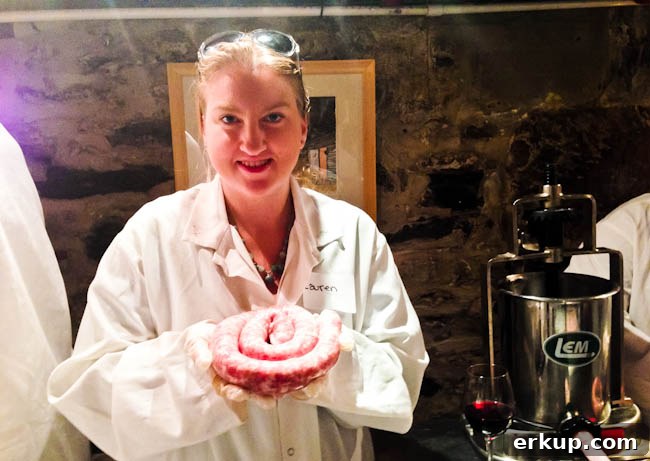
Have you ever wondered how to make homemade sausage? It’s easier than you think. This classic sage sausage recipe is flavorful, straightforward, and a great project for a weekend kitchen session. With a little preparation and cold ingredients, you can make sausages that taste fresh and homemade — perfect for breakfast, dinner, or to use in other recipes.
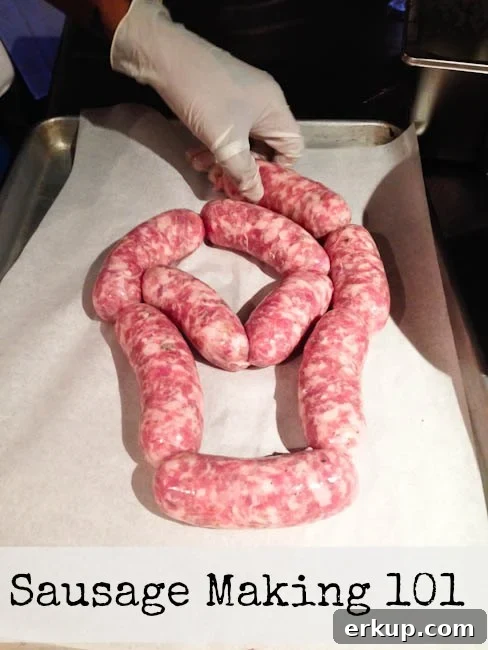
Fresh Sausage From Your Home Kitchen
I learned the basics in a sausage-making class and then practiced at home. The process is not nearly as messy or intimidating as many expect — it’s similar to making meatballs, just with a bit more equipment. Once you get the hang of grinding, seasoning, and stuffing, homemade sausage becomes a rewarding and delicious skill.
While I still buy sausages sometimes for convenience, I enjoy making this sage sausage for special meals and holiday breakfasts. It freezes well and makes a memorable addition to many recipes.
Tips for Making Homemade Sausage
Equipment needed
To make sausage at home you’ll need a few simple tools:
- a large bowl filled with ice and a smaller bowl to sit in the ice to keep the meat cold
- a meat grinder or grinder attachment for your stand mixer
- a sausage stuffer or a grinder with a stuffing tube if you plan to use casings
Keeping the meat and equipment cold is essential because sausage is an emulsion of lean meat and fat; cold temperatures help it bind and keep the texture right.
Process
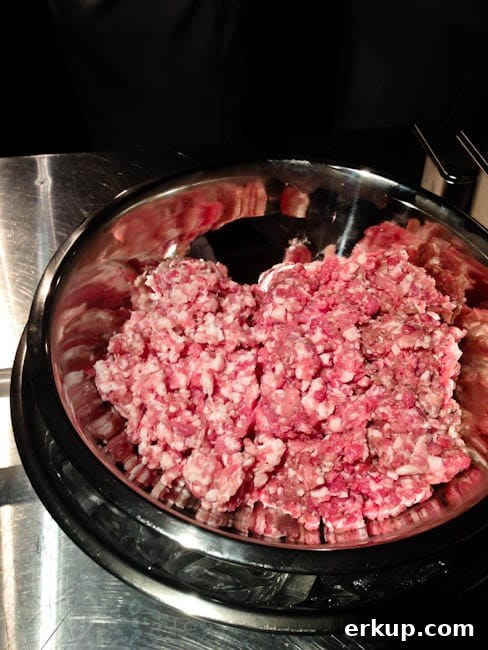
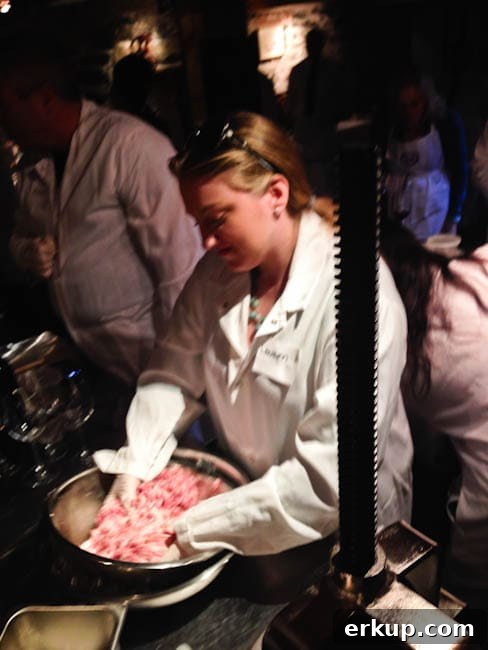
Start by grinding the pork (a shoulder cut works well) through a coarse plate. Transfer the ground meat to the chilled bowl over ice and use your hands to blend in the seasonings.
First, mix in the salt thoroughly so it distributes evenly. Add toasted minced garlic, freshly ground black pepper, and plenty of fresh minced sage. Once the herbs and spices are blended, add white wine and test the mixture’s consistency. If the mixture holds together, you’re ready to stuff; if it’s too loose, add ice water in small amounts until it reaches the right texture.
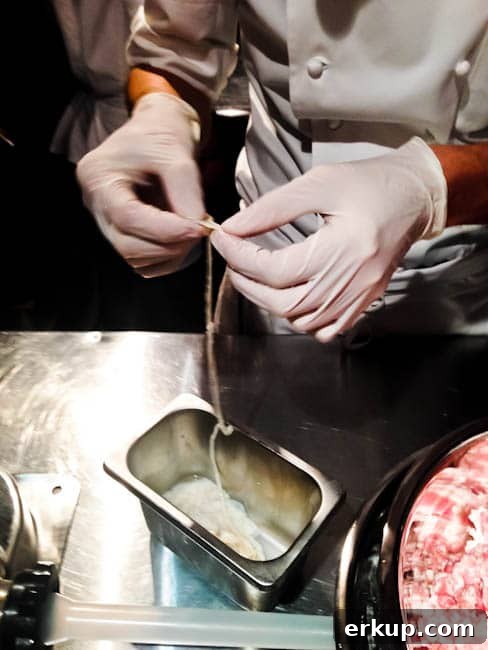
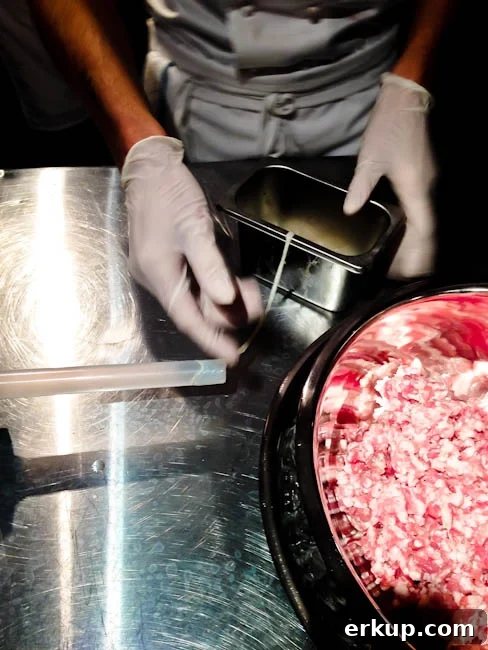
Preparing casings is the only slightly awkward step. Natural casings (intestines) give sausages a characteristic snap that artificial casings can’t quite match, but you can also choose collagen or cellulose casings. If you use natural casings, soak them in water to remove the packing brine and flush them thoroughly.
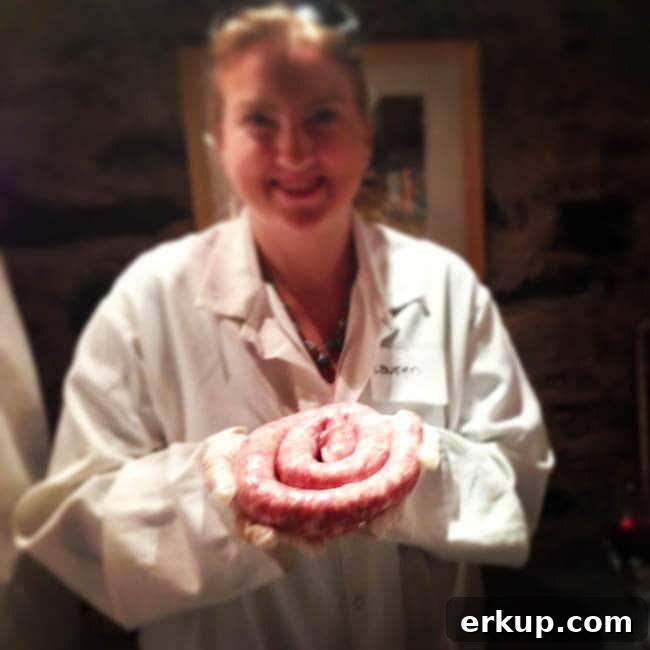
Slide the casing onto your stuffer, leaving a short length hanging off the end. Load the meat and slowly push it through the stuffer while guiding the casing so it fills evenly. Tie the end when you reach the end of the casing and coil the filled sausage as you work. Be gentle to avoid overstuffing and bursting the casing.
To Shape Sausage Links
You can leave the sausage in one long coil or make links. To make links, measure sections about 3 inches long and twist one segment clockwise, then the next counterclockwise to separate them. Use a sharp knife to prick each link briefly to release any trapped air.
Cook the sausages by frying or grilling until they are cooked through — about 7 minutes per side depending on thickness — or use them frozen later for up to six months. Fresh sausages will keep in the refrigerator for about three days.
Serve these sage sausages for breakfast, dinner, or in recipes like stuffed squash, pasta with zucchini and sausage, or roasted sausages with apples and parsnips.
Sausage Making 101: Classic Sage Sausage
Prep Time: 30 minutes Cook Time: 15 minutes Total Time: 45 minutes
Servings: 6–8 Author: Lauren Keating
Ingredients
- 3 pounds pork shoulder
- 1 1/2 tablespoons salt
- 1 tablespoon freshly ground black pepper
- 2 tablespoons minced toasted garlic
- 1/2 cup fresh minced sage
- 1 ounce white wine
- 2 cups ice water (add gradually to adjust consistency)
- Natural or collagen sausage casings, as needed
Instructions
- Grind the pork through a coarse plate and place it in a chilled bowl set into a larger bowl of ice.
- Mix in the salt by hand until evenly distributed, then add the pepper, toasted garlic, and minced sage.
- Add the white wine. Test the mixture’s texture by pressing a small ball of meat into the bowl of a spoon and turning it upside down — if it holds for five seconds, the mixture is ready. If it doesn’t hold, add ice water a little at a time until it reaches the right consistency.
- Form the meat into patties or stuff it into prepared casings. If stuffing, fill slowly and tie the ends; twist into links about 3 inches long if desired. Pierce each link once to remove trapped air.
- Cook the sausages until done, approximately 7 minutes per side, or use as directed in other recipes.
Enjoy your homemade sage sausages hot from the pan, grilled, or incorporated into dishes. Making sausage at home is a satisfying way to control ingredients and flavor while creating something special to share.