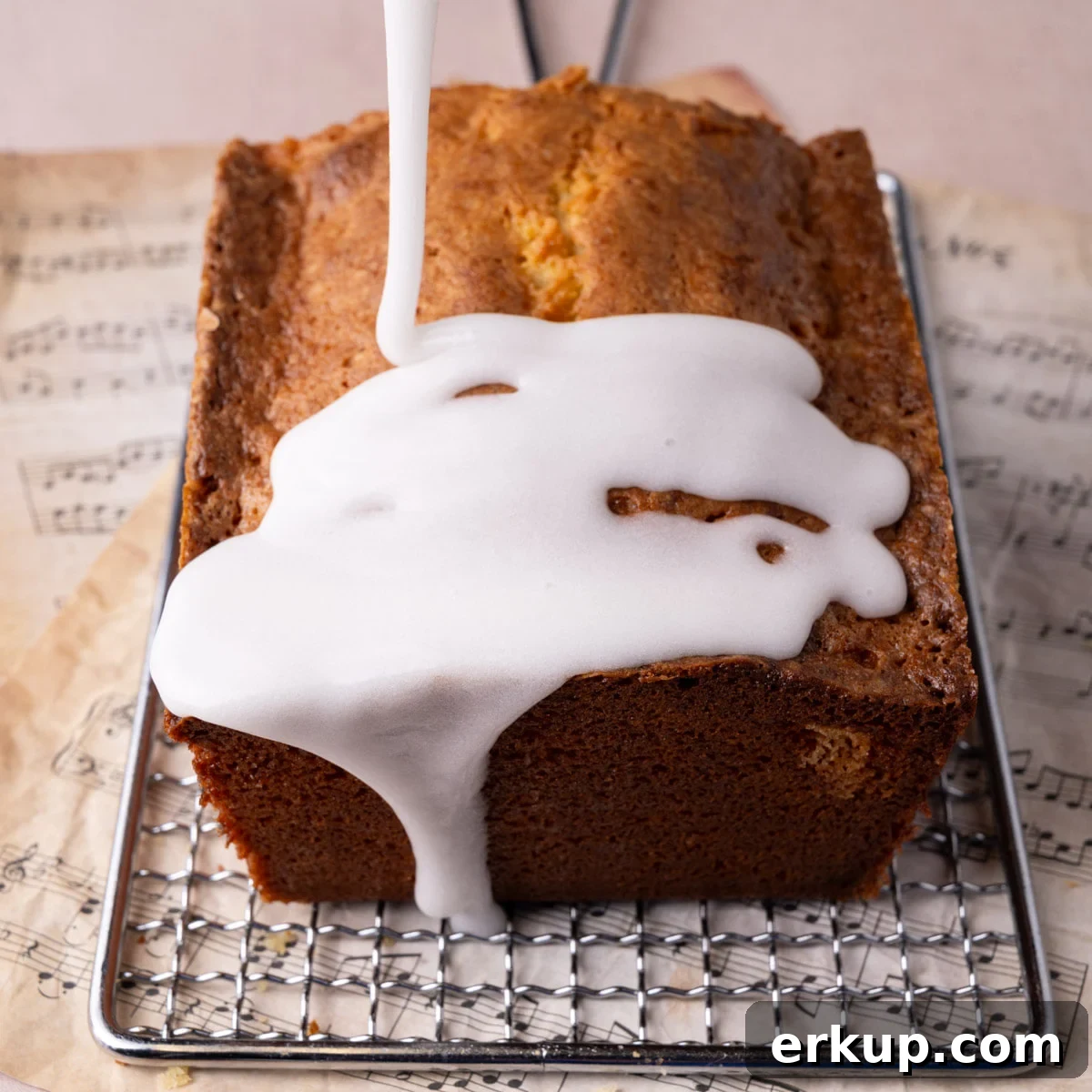
If you want to add a touch of tropical flavor to cookies, cakes, loaves, muffins, and more, this Pourable Coconut Icing (also called Coconut Glaze) is an easy, reliable way to do it. With just three ingredients and five minutes of active time, this thin, pourable glaze adds moisture, sweetness, and a subtle floral, nutty coconut note that complements many baked goods.
This one-bowl recipe is perfect when you want a fast finish that still tastes homemade. Because the glaze is pourable, you can drizzle it, dip cookies, or coat a loaf with minimal effort. It’s a simple technique that elevates plain cakes and quick breads into something special without fuss.
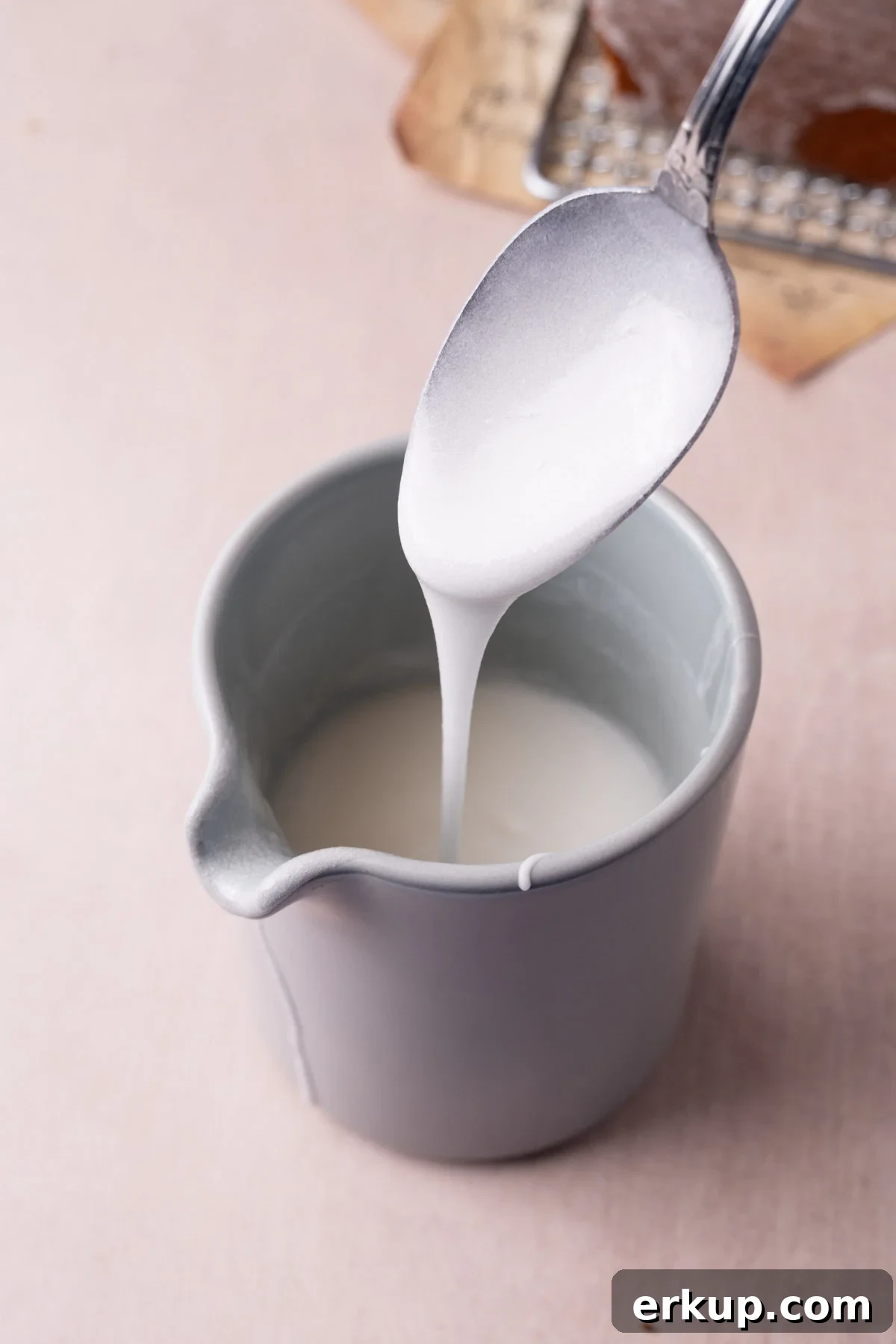
Coconut Icing Ingredients
The basic version of this glaze uses powdered (confectioners’) sugar and full-fat coconut milk. It will have a mild coconut flavor on its own, which works well for a gentle background note. For a stronger, unmistakable coconut aroma and flavor, I recommend adding a small amount of coconut extract—just a teaspoon transforms the glaze into a clearly coconut-flavored finish.
Because the glaze is very simple, you can easily adapt it for different textures and uses: thicker for cookies and quick drizzles, thinner for soaking into the tops of cakes and loaves to add moisture and shine.
Coconut Glaze Tips and Tricks
How to Make Coconut Icing
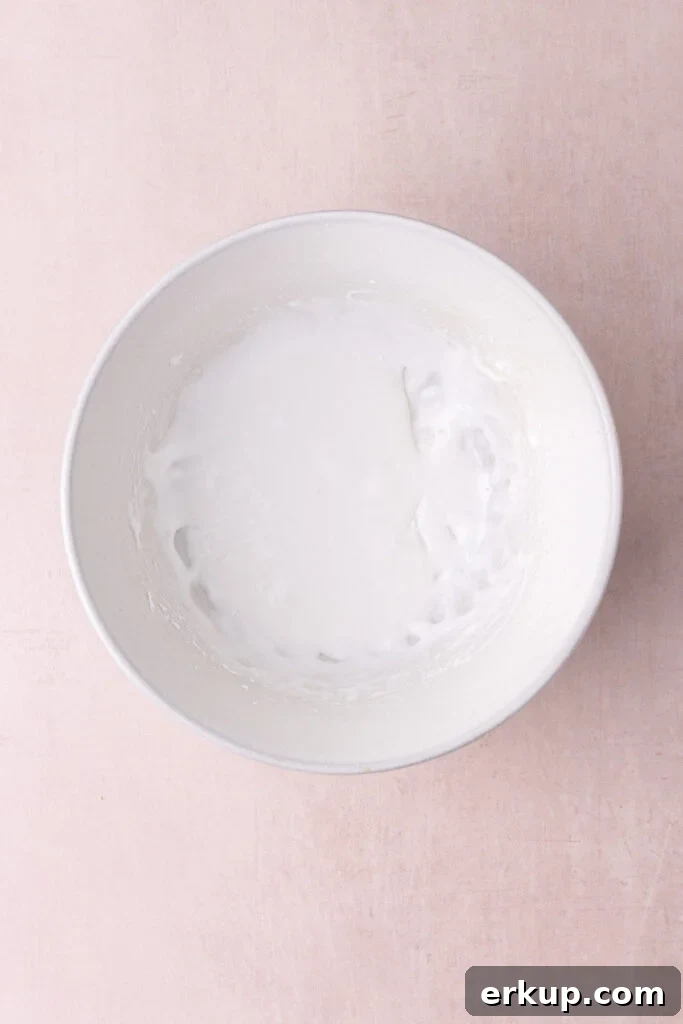
Sift 1 cup of powdered sugar into a large mixing bowl to avoid lumps. Add 2 tablespoons of full-fat coconut milk and 1 teaspoon of coconut extract (optional but recommended). Using a hand mixer or stand mixer on medium-high, beat until the glaze is smooth and glossy.
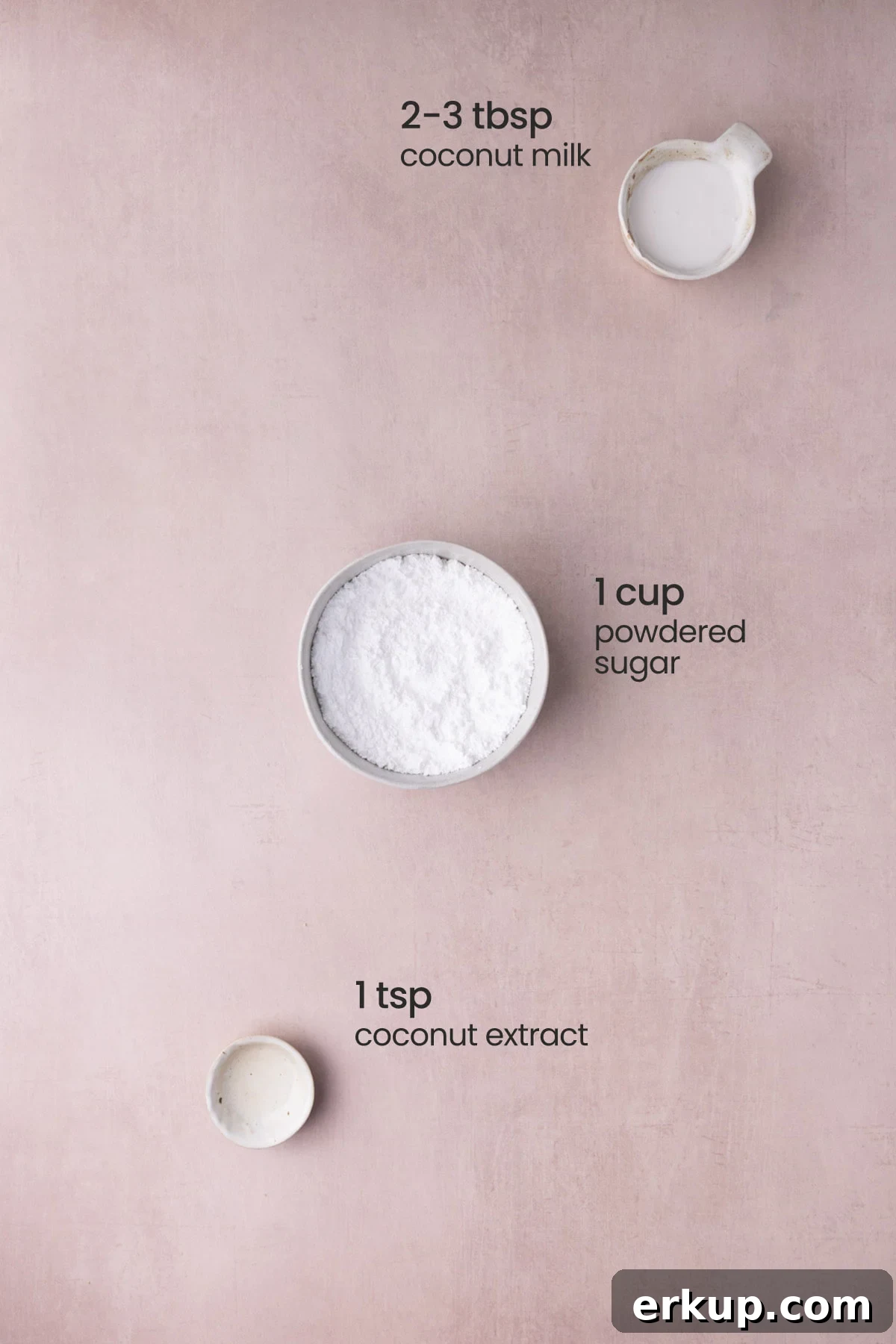
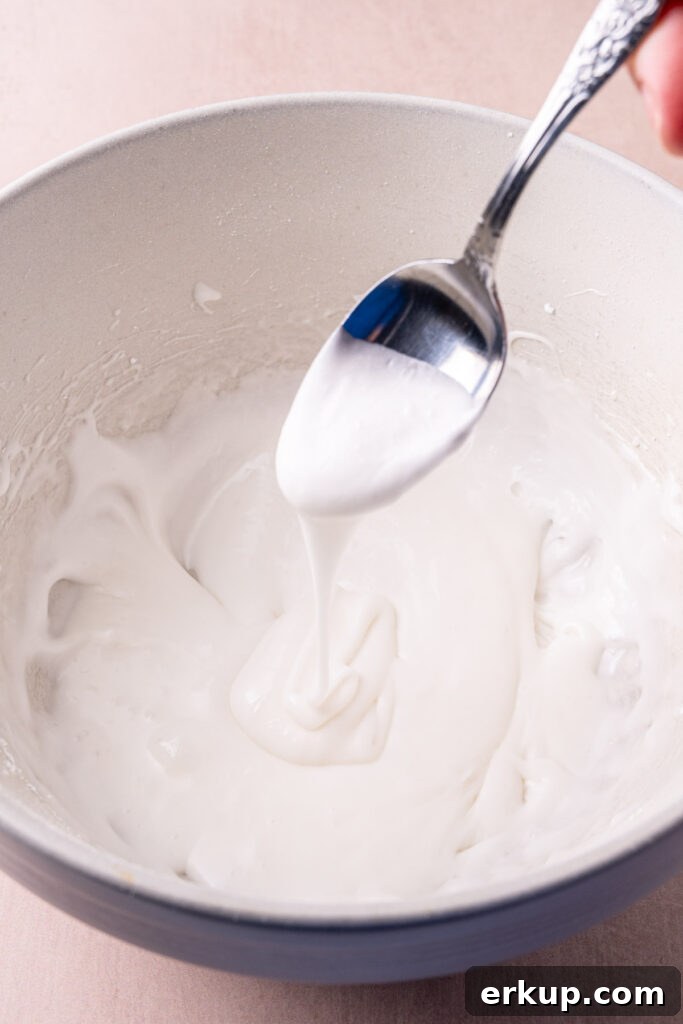
Scrape the sides and bottom of the bowl with a rubber spatula to incorporate any dry sugar. Test the consistency by letting a spoonful of glaze run off a spoon: it should flow easily but still cling to the spoon. If it’s too thick, add coconut milk a teaspoon at a time, whisking until you reach the desired runniness. If it becomes too thin, add a little more powdered sugar, sifted, until it thickens back up.
How I Store Leftover Coconut Icing (or Make it Ahead of Time)
Store leftover glaze in an airtight container in the refrigerator for up to 2–3 weeks. Chilled glaze will thicken and may become spreadable rather than pourable. To restore a pourable consistency, gently warm the container in a bowl of warm water or stir in a small splash of coconut milk until the glaze loosens.
Because this icing keeps well, it’s handy to make ahead on a busy baking day. Just refrigerate and loosen when you’re ready to use it.
Pourable Coconut Icing (Coconut Glaze)
By Marley Goldin
A quick and easy coconut icing that adds tropical flavor and extra moisture to baked goods. Three ingredients, one bowl, and about five minutes.
Prep Time: 5 minutes
Total Time: 5 minutes
Yield: 1 batch
Ingredients
- 1 cup powdered sugar (confectioners’ sugar), sifted
- 2–3 tablespoons full-fat coconut milk
- 1 teaspoon coconut extract (optional but highly recommended)
Instructions
- Sift the powdered sugar into a large bowl. Add 2 tablespoons of full-fat coconut milk and the coconut extract.
- Use a hand mixer or stand mixer on medium-high to beat until smooth, scraping the bowl as needed to remove lumps.
- Check consistency by letting a spoonful run off a spoon. For a thicker glaze (cookies), stop earlier; for a thinner pour (cakes, loaves, muffins), add additional coconut milk a teaspoon at a time and whisk until you reach the desired texture.
- If the glaze becomes too thin, gradually add more sifted powdered sugar until it firms up to your liking.
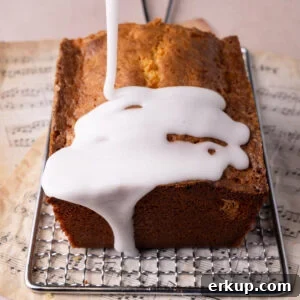
- Pour or drizzle the glaze over cooled or slightly warm baked goods. Allow the glaze to set for a few minutes before serving.
Pro Tips
- If you want a stronger coconut flavor without extract, try using the thick coconut cream from a can (use sparingly) or increase extract slightly—taste as you go.
- Use full-fat coconut milk for a creamier texture; low-fat varieties may thin the glaze or alter mouthfeel.
- For a glossy finish on cakes, pour glaze while the cake is still slightly warm so it soaks in a bit for added moisture.
- Store the glaze in an airtight container in the fridge for up to 3 weeks. Rewarm gently or stir in a splash of coconut milk to loosen before use.
- This glaze works well on pound cakes, banana bread, muffins, cookies, and simple sheet cakes—anywhere you want a light coconut finishing touch.