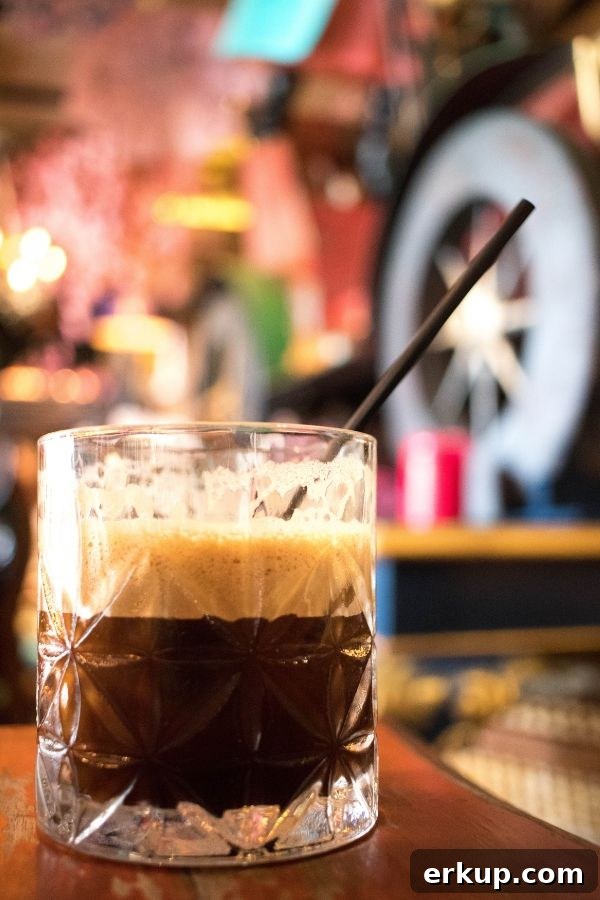
Before we arrived in Athens we’d heard that coffee in Greece is exceptional—and it certainly is. We quickly fell for both the flavors and the relaxed Greek coffee culture. Between visits to the Acropolis and sampling Athens’ fantastic food, plan time to sit in a local café and enjoy the variety of coffees on offer.
Coffee in Greece – what to order
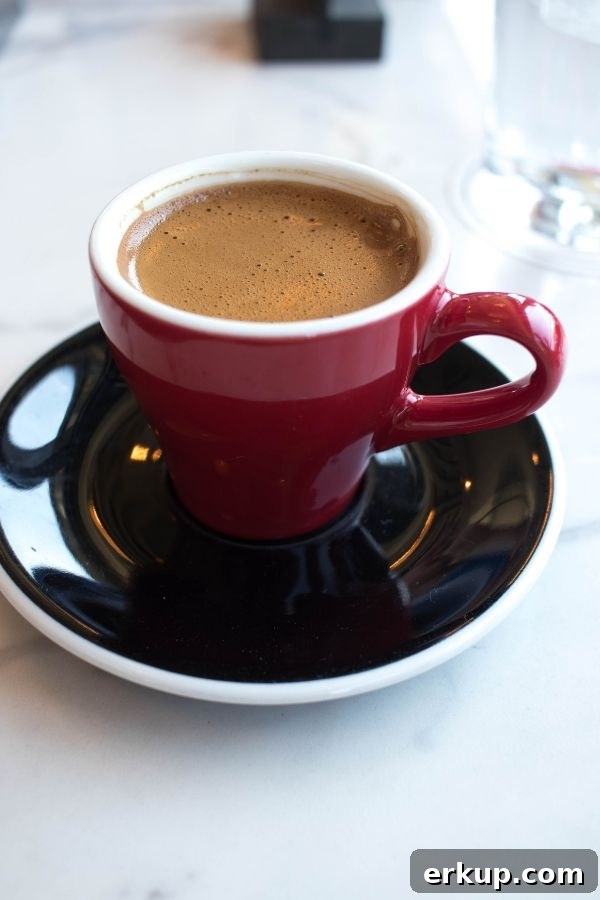
Traditional Greek Coffee (Kafe Elliniko)
Traditional Greek coffee—also called Turkish or Arabic coffee—is an unfiltered brew made in a small pot known as a briki (or ibrik). It’s served in a small cup, similar in size to an espresso, and has a distinctive thick body and fine grounds that settle in the cup.
There are several ways to sweeten and serve it. Common preparations include:
- Sketos (plain): black, no sugar
- Vary: 2–3 teaspoons of coffee with 1 teaspoon of sugar
- Elafris: ½–1 teaspoon of coffee with 1 teaspoon of sugar
- Glykos: 1 teaspoon of coffee with 2 teaspoons of sugar
- Variglykos: 3 teaspoons of coffee with 3 teaspoons of sugar
- Ne ke Ohi: 1 teaspoon coffee with ½ teaspoon sugar
Traditional Greek coffee is compact, aromatic, and an essential part of local daily life. Average cost: 1.50–2.00€.
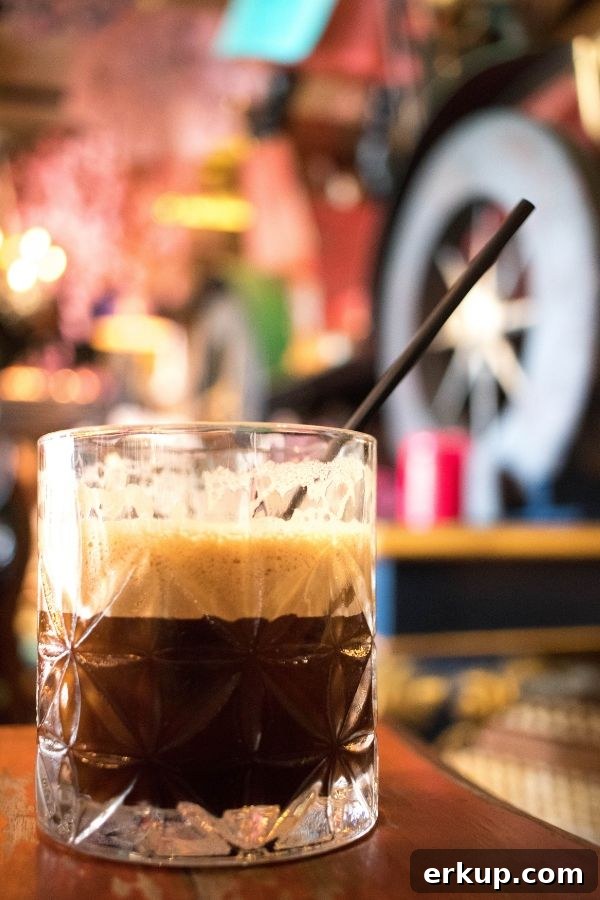
Espresso Freddo
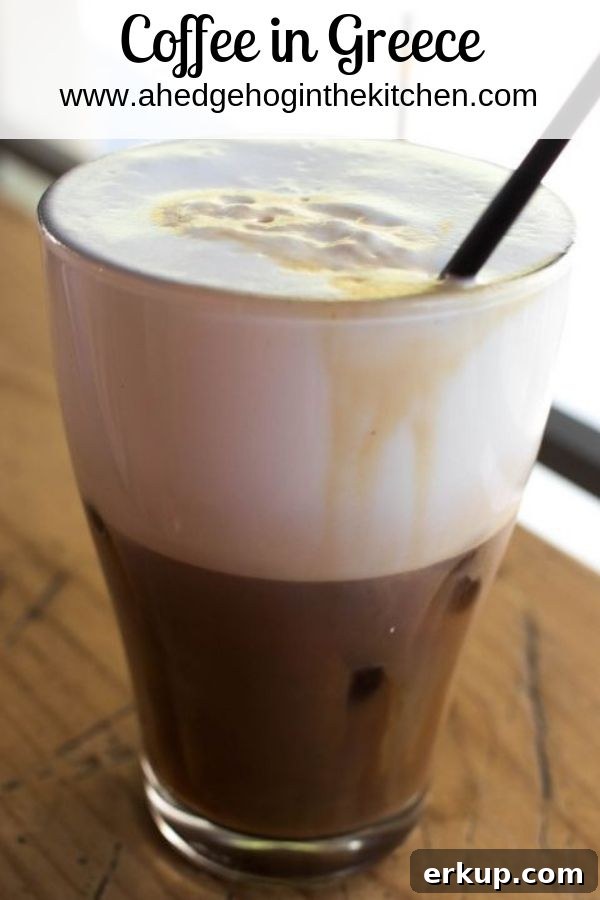
Espresso freddo is a chilled espresso shaken with crushed ice until frothy—one of the trendiest and most popular cold coffee drinks in Greece right now. It’s refreshing and strong, usually served in a tall glass, and is an ideal choice on hot days. Average cost: 2.50–3.50€.
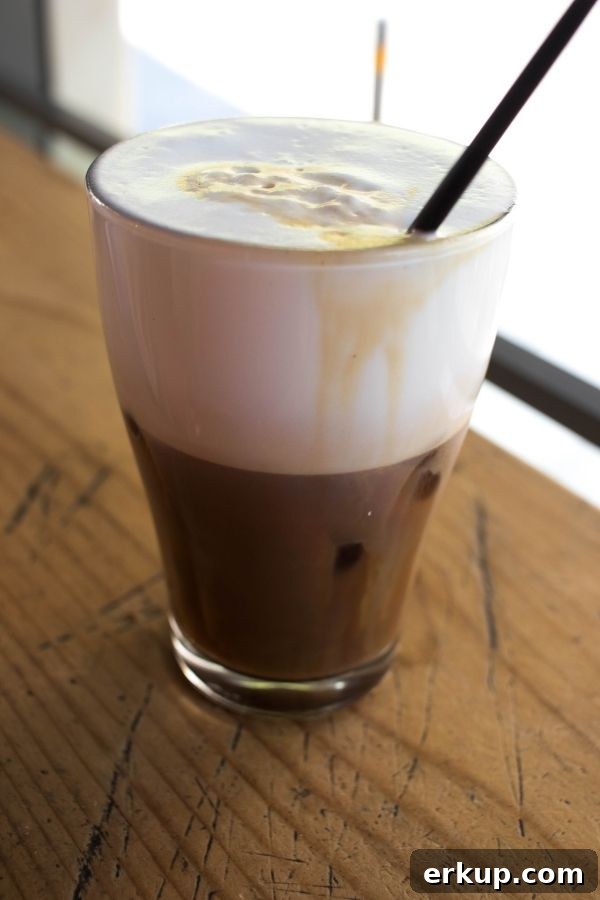
Cappuccino Freddo
Cappuccino freddo combines the elements of a classic cappuccino—espresso and frothed milk—with crushed ice to create a creamy, cold version. Like the espresso freddo, it’s served in a tall glass and is perfect for those who want a milky but chilled coffee. Average cost: 2.50–3.50€.
Frappe
The classic Greek frappé is made from instant coffee, water, and sugar, whipped to a foam and served over ice. Invented in the 1950s, it became Greece’s signature iced coffee. In recent years it’s shared popularity with espresso freddo and cappuccino freddo, but it remains a beloved, nostalgic choice. Average cost: 2.50–3.50€.
Espresso
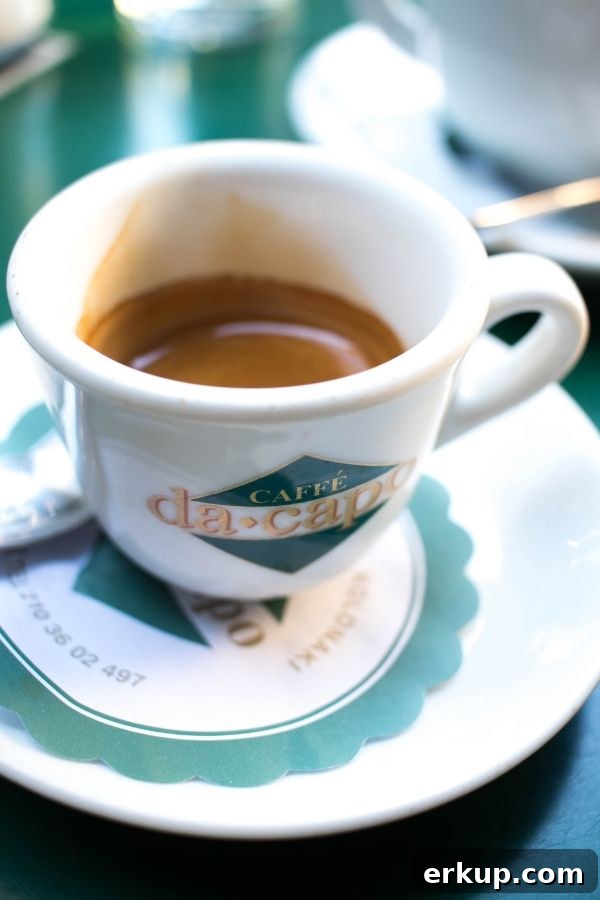
Espresso in Greece is similar to Italian espresso—short, concentrated, and often served ristretto-style. It’s a quick, strong pick-me-up in a small cup and remains a staple for mornings or afternoon breaks. Average cost: 1.50–2.00€.
Cappuccino
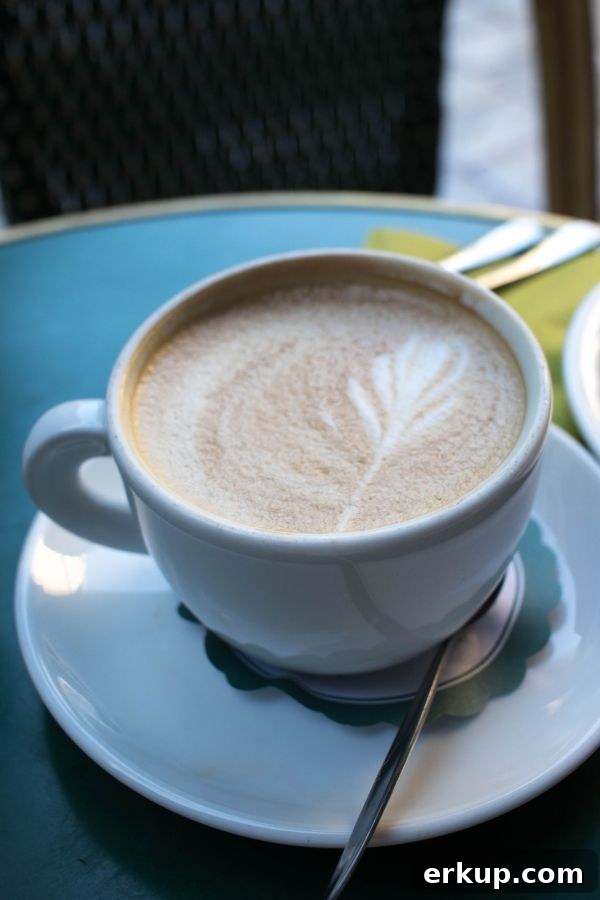
The familiar cappuccino—espresso topped with velvety milk foam—is also widely enjoyed in Greece. It’s a popular choice for breakfast or a leisurely café visit. Average cost: 2.00–3.00€.
Our favorite coffee shops in Athens
- Da Capo: Tsakalof 1, Kolonaki Square, Athens
- Taf Coffee: Emmanouil Mpenaki 7, Athens
- Carpo: Kanari 6, Athens
- Little Kook Cake Shop: Karaiskaki 17, Athina 105 54, Athens
We also asked our Instagram followers for coffee-related questions and gathered the answers below to help you enjoy Greece’s coffee scene.
Is coffee popular in Greece?
Absolutely. Coffee is central to social life in Greece. Cafés are meeting points for friends and family, and you’ll find a strong, vibrant coffee culture across cities and towns.
Is coffee good in Greece?
Yes—coffee in Greece is consistently good. Local specialties like espresso freddo and cappuccino freddo stand out, and specialty cafés maintain high quality across espresso-based and traditional preparations.
How to order coffee in Greece?
Ordering coffee is straightforward. Learning a few Greek names—especially for your favorite drink—adds to the experience and is appreciated. A friendly greeting like Γεια σου (Ya su) goes a long way. Most café staff also speak English, so ordering in English is usually fine.
How much is coffee in Greece?
Prices are generally affordable compared to many European cities. Expect modest prices for most traditional and espresso-based drinks, though exact costs vary by neighborhood and café.
Why is coffee expensive in Greece?
We didn’t find coffee overly expensive. Prices are relative—cheaper than some places and pricier than others. Specialty cafés and tourist areas may charge a premium, but everyday cafés remain reasonably priced.
Does coffee grow in Greece?
No. Coffee beans are imported; Greece does not have native commercial coffee cultivation.
Can you get decaf coffee in Greece?
Yes—many specialty shops and cafés offer decaf. It’s not universal, but if you ask, most places will help you find a decaffeinated option. Greek café staff are generally welcoming and accommodating.
Enjoy the coffee culture in Greece!
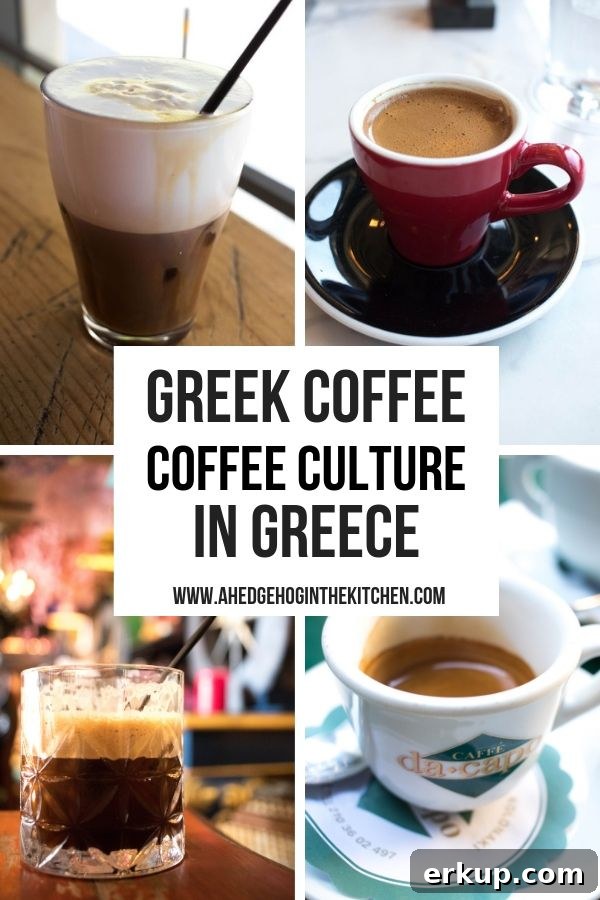
Pin for later!
Related Posts
Food in Athens – Everything You Must Eat in Athens & The Best Food Tour
Don’t Miss These Cafes in Paris!
Partisan Cafe Paris