In a Nutshell:
- Flip flops and sandals made from recycled materials can be a more sustainable choice, but they may still contain traces of chemicals like phthalates and can shed microplastics as they wear.
- For the lowest-toxicity, most eco-friendly sandals prioritize natural materials such as natural rubber, cork, hemp, vegetable-tanned leather, and plant-based leathers.
- Below you’ll find curated brand suggestions covering basic flip flops, stylish sandals, grounding options, vegan choices, and more.
Here’s what this guide includes:
- What to Look for in Natural Sandals & Non-Toxic Flip Flops
- My Picks for the Best Non-Toxic Flip Flop & Sandal Brands
- Sea Sense
- Earth Runners
- Groundz
- NAE Vegan
- Even More Options for Natural Sandals & Flip Flops
- More About Healthier Materials for Natural Sandals
- Natural Rubber
- Cork
- Hemp & Organic Cotton
- Vegetable-Tanned Leather
- Algae & Sugarcane Foams
- Plant-Based Leather
- Non-Toxic Dyes
- What About Recycled Sandals and Flip Flops?
This guide includes product recommendations and we may receive compensation if you purchase through certain links. We only recommend products we believe in.
What to Look for in Natural Sandals & Non-Toxic Flip Flops
If you want to avoid conventional plastics and reduce chemical exposure, choose sandals made from natural or low-toxicity materials. Key materials to seek out include:
- Natural rubber
- Cork
- Hemp
- Organic cotton
- Vegetable-tanned leather
- Plant-based leathers (for example, Piñatex)
- Algae- or sugarcane-based foams
- Non-toxic dyes and finishes
Read the materials section below for more on why these options are healthier for both people and the planet compared with conventional plastics and synthetic rubber.
My Picks for the Best Non-Toxic Flip Flop & Sandal Brands
Sea Sense
Best for: plastic-free natural rubber flip flops
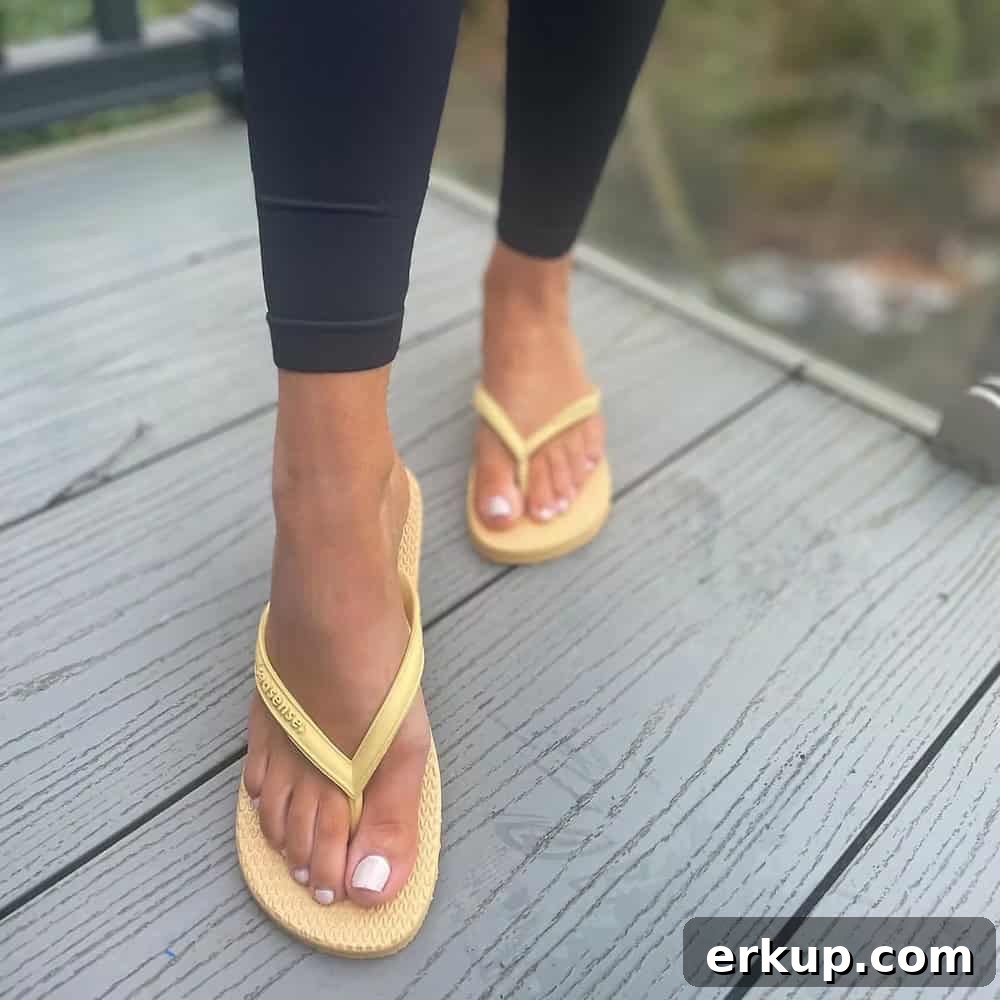
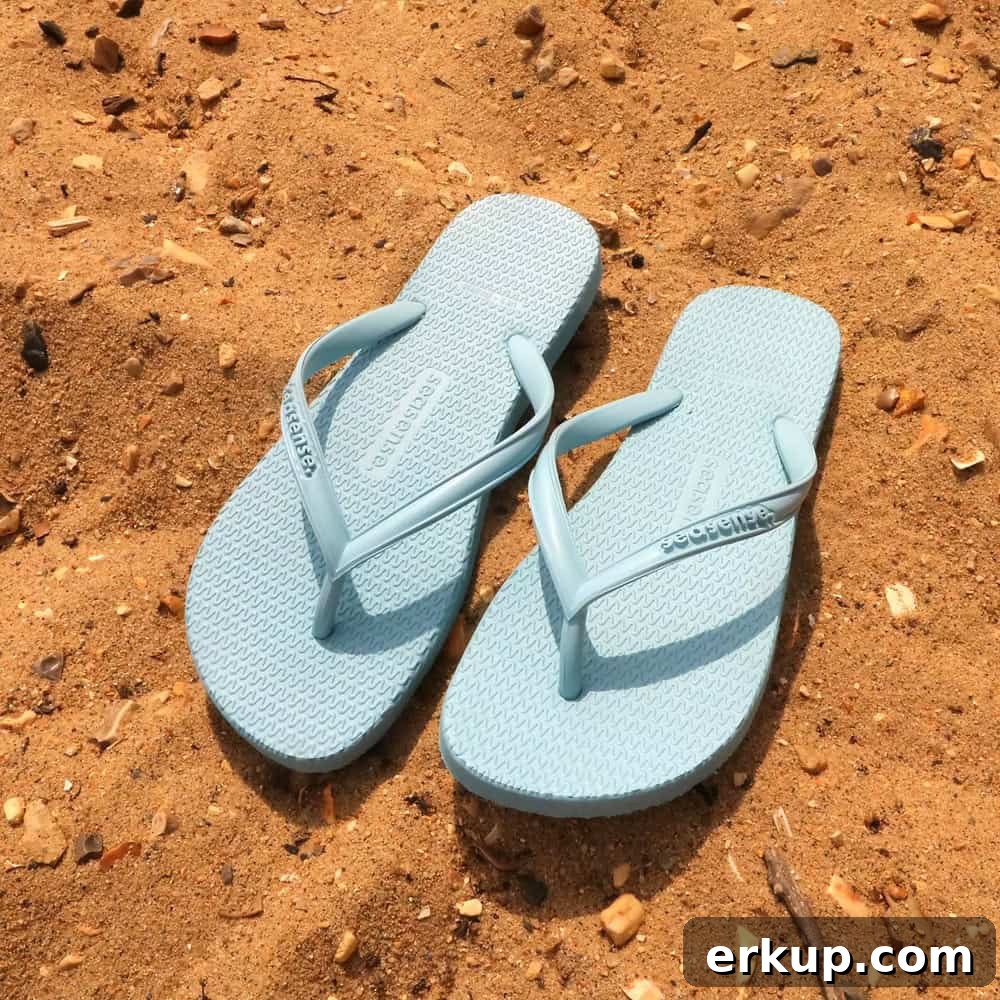
Materials: natural rubber. Use: everyday summer footwear for adults.
Sea Sense produces vegan, plastic-free flip flops from sustainably harvested natural rubber. A share of profits supports groups that prevent ocean-bound plastic pollution. These sandals are a durable, earth-friendly alternative to standard plastic flip flops—perfect for errands, the beach, or relaxed evening walks.
Tip: Sea Sense sometimes offers a discount code—check current promotions for savings.
Earth Runners
Best for: minimal, grounding sandals suitable for hiking and outdoor use
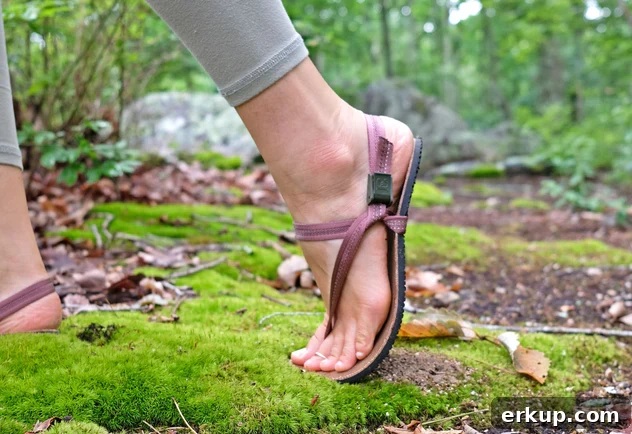
Materials: EVA foam, GOTS-certified canvas (some styles include small amounts of latex or nylon). Use: adults and kids.
Earth Runners makes minimalist earthing sandals designed for adventure. Many of their styles are vegan and made in the USA, using durable materials and thoughtful manufacturing. They work well for light hikes, travel, and everyday wear.
Groundz
Best for: stylish grounding sandals and slip-ons
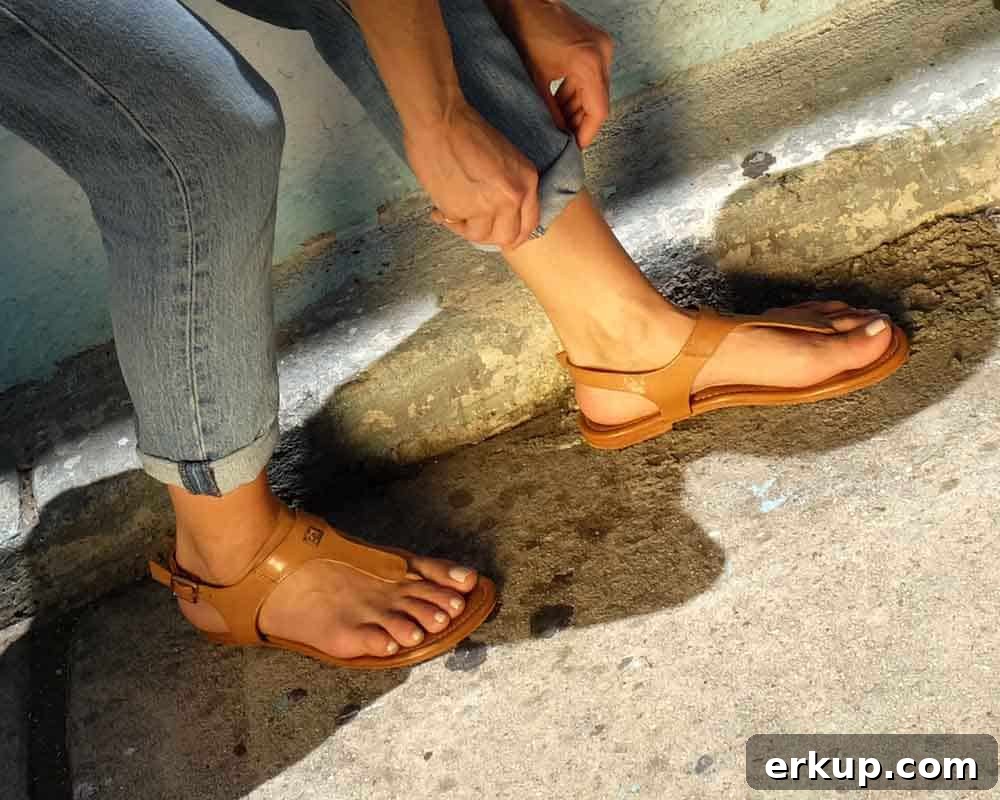
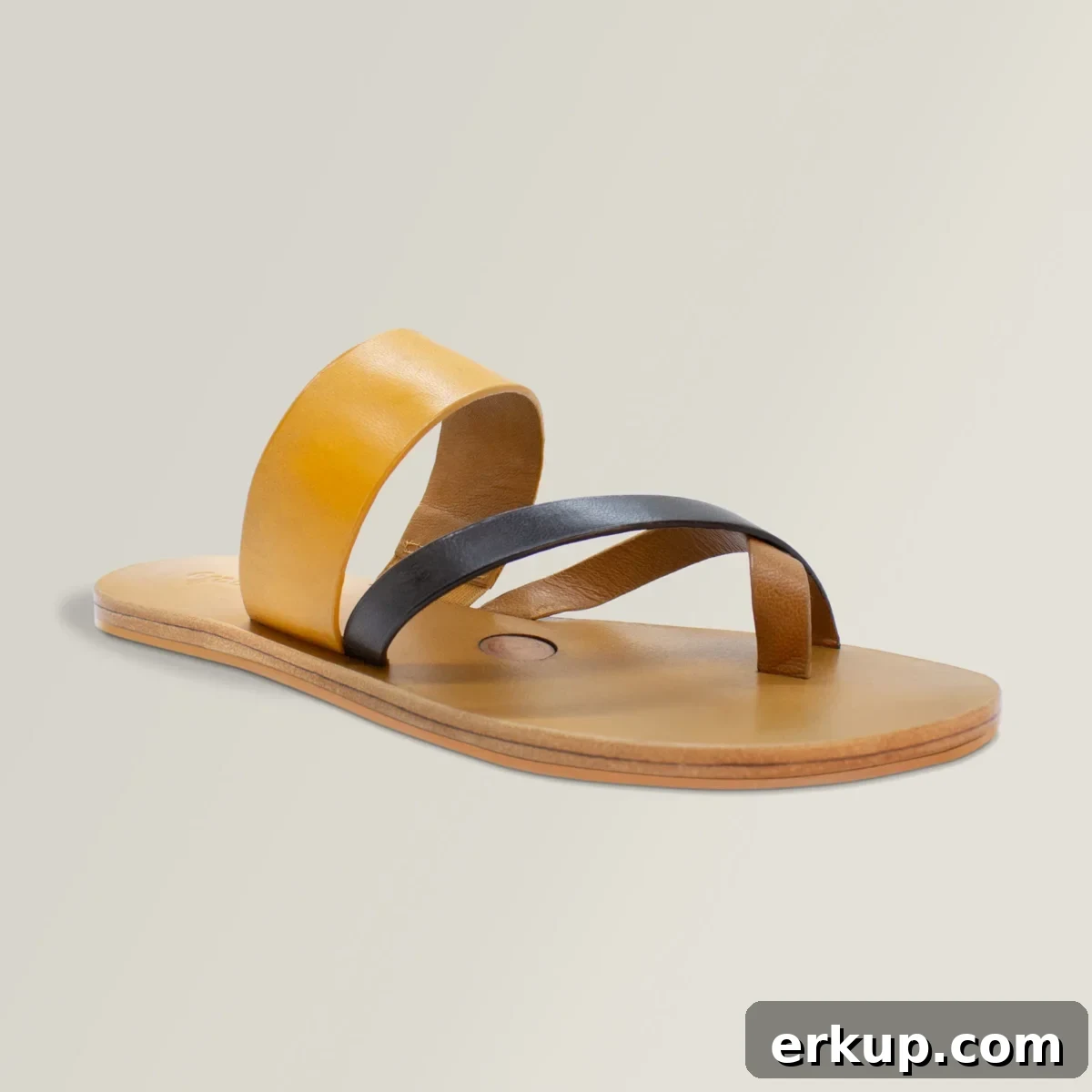
Materials: vegetable-tanned leather, natural rubber, copper conductor. Use: adults, all genders.
Groundz offers grounding sandals and slip-ons that blend natural materials with functional design. Many of their shoes use vegetable-tanned leather and include a copper rivet designed to provide a conductive connection to the ground while you walk.
NAE Vegan
Best for: fashionable, plant-based sandals


Materials: Piñatex (pineapple) and other plant-based leathers, cork, natural and recycled rubber, PU in some styles. Use: adults, multiple styles from casual to dressy.
NAE Vegan focuses on innovative plant-based materials like pineapple and apple leather, along with cork and organic cotton. While not every style is 100% natural, many NAE sandals carry OEKO-TEX or similar certifications that verify reduced levels of harmful substances in the finished product.
Even More Options for Natural Sandals & Flip Flops
Here are additional brands and options worth considering if you want more variety in sustainable, lower-toxicity sandals:
Feel Goodz:
- Vegan flip flops combining natural rubber with rice husks.
- Work with traditional artisans and farmer communities in India, Nepal, and Vietnam.
Jivanas:
- Ethically made, biodegradable sandals crafted by artists in Nepal.
- Materials include Italian vegetable-tanned leather, hemp, and water-based eco dyes.
Munjoi:
- Versatile slip-on shoes made from cotton, hemp, and plant-based EVA foam; convenient for travel.
Native:
- An alternative to Crocs; slip-ons and sandals for men, women, and kids made largely from sugarcane-based EVA foam.
Nisolo:
- Stylish leather sandals and slip-ons made from Leather Working Group (LWG) certified leather and EVA foam, with transparency and worker-wage commitments.
Original Cork Shop:
- Cork flip flops produced in Portugal—options for adults, kids, and toddlers.
Rawganique:
- Hemp-based vegan sandals and flip flops designed for those sensitive to chemicals.
Samba Sol:
- Natural rubber flip flops for both adults and children.
More About Healthier Materials for Natural Sandals
Below is a quick guide to common materials used in healthier sandals and why they matter.
Natural Rubber
Natural rubber comes from tree sap and is renewable, unlike synthetic rubber derived from petroleum. Look for responsibly sourced or certified natural rubber whenever possible. If you have a latex allergy, avoid rubber-based products.
Cork
Cork is lightweight, supportive, naturally antimicrobial, and biodegradable. Recycled cork is an even better choice for reducing waste.
Hemp & Organic Cotton
Hemp and organic cotton are breathable, durable textiles often used for straps and uppers. Hemp grows without pesticides, uses little water, and retains soil health, making it a top sustainable fabric for footwear components.
Vegetable-Tanned Leather
Vegetable tanning uses plant extracts rather than heavy metals and toxic chemicals. It’s a cleaner method that reduces environmental harm compared with conventional tanning processes.
Algae & Sugarcane Foams
Newer foams made from algae or sugarcane offer alternatives to petroleum-based EVA and PVC. While not perfect, these plant-based foams can lower fossil fuel reliance and sometimes repurpose excess algae that harms waterways.
Plant-Based Leather
Plant leathers—made from pineapple, apple, or agricultural byproducts like rice husks—can replace PVC-based vegan leather. Note that not all vegan leathers are plant-based; some still use plastics, so check materials carefully.
Non-Toxic Dyes
Prefer brands that use natural or certified non-toxic dyes and finishes to limit exposure to harmful chemicals in the final product.
What About Recycled Sandals and Flip Flops?
Recycled materials—like plastic bottles, fishing nets, or old tires—keep waste out of landfills and oceans and can be a more sustainable choice than virgin plastics. However, recycled plastics and synthetic rubbers may still contain residual chemicals from their previous life and will generate microplastics as they wear.
If your priority is reducing landfill waste and promoting circularity, recycled options are a smart choice. If you want to minimize chemical exposure and microplastic shedding, prioritize sandals made from natural, renewable materials.
In short: recycled sandals are often more sustainable than new synthetic ones, but natural materials usually offer lower toxicity and biodegradability.
This article also contains contributions by Aubrey S.